Insect · GBIF taxon 8379851
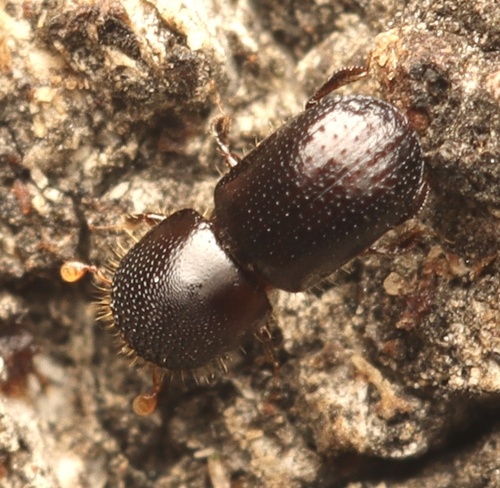
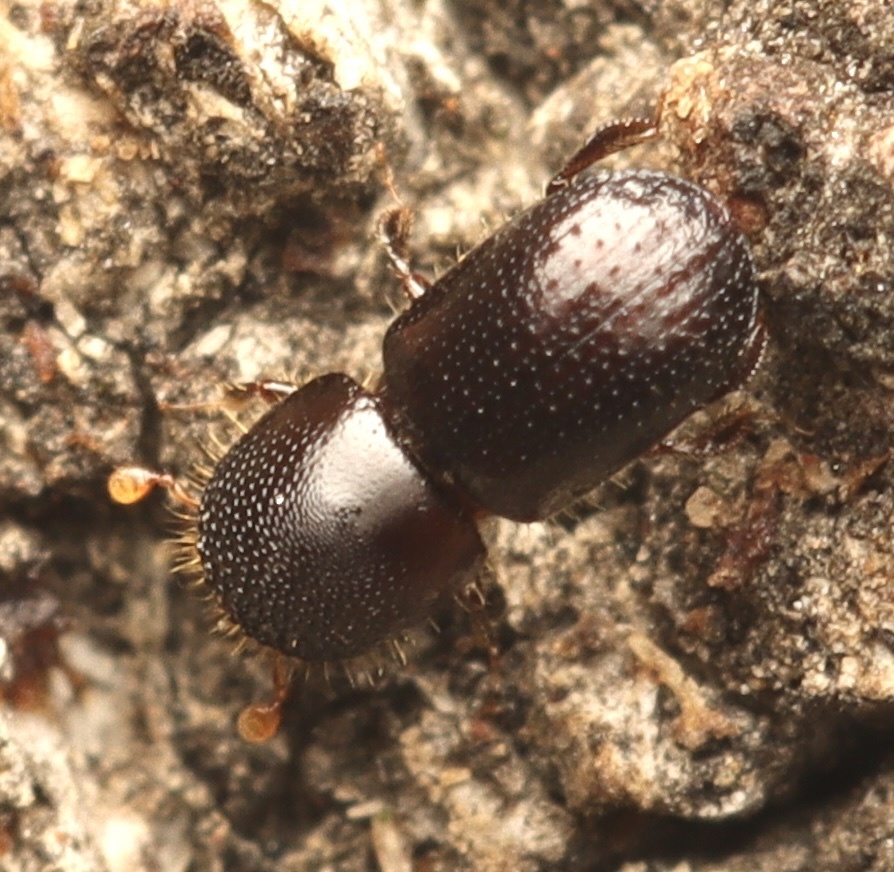
Polyphagous Shot Hole Borer
Euwallacea fornicatusAlso known as Tea Shot-Hole Borer, Tea Shot Hole Borer
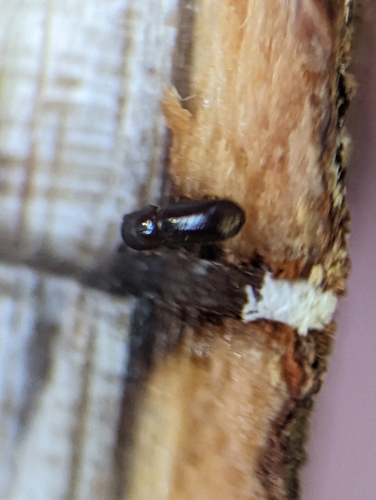
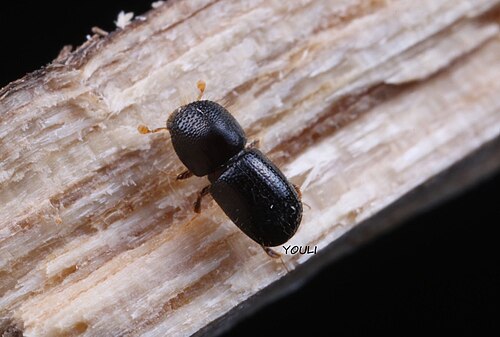
Polyphagous shot hole borers are tiny ambrosia beetles that cultivate specialized fungi within the wood of living trees. Females bore through bark into the sapwood, excavating complex gallery networks and innoculating the wood with symbiotic fungi that nourish both adults and larvae. The proliferation of this fungal partner disrupts the tree's vascular transport system, causing widespread branch dieback and systemic tree mortality across agricultural orchards and native forests.
InvasiveForest PestWood-boring
—observations
—countries
—peak records
Not EvaluatedConservation statusIUCN Red List categoriesLCNTVUENCREWEXNot Evaluated — not placed on the risk ladderRed List categories, explained →
Diet & prey
- Fusarium euwallaceae
- Graphium euwallaceae
- Paracremonium pembeum
Predators
- Woodpeckers
- Predatory clerid beetles
- Ants
ThreatsSanitation tree removals, systemic fungicide injections, cold winter temperatures
HabitatsRiparian woodlands, urban forests, commercial orchards, subtropical canopies
Life span1–3 months
Classification
- FamilyCurculionidae
- SpeciesEuwallacea fornicatus
Range data is not available yet.
Interaction riskLow
- Low
- Moderate
- High
- Very high
- Why interaction risk is low
- Harmless to humans; safe to observe at a normal distance.
Responsible observation
- Detecting Entry Holes: Look for tiny, ballpoint-pen-tip-sized holes in tree bark surrounded by dark staining, white crusty ring deposits, or sugary exudates.
- Containment: Do not move untreated firewood or green waste from infested regions to prevent introducing beetles to uninfested forests.

Help improve the field guideSomething wrong?
Checking your Fauna account…Report a name, category, or profile issue for review.