
Species
Paramecium aurelia
Paramecium aureliaThese cigar-shaped, single-celled ciliates propel themselves through stagnant freshwater using thousands of coordinated, wave-like ciliary beats. Food swept into an oral groove enters vacuoles where enzymatic digestion fuels rapid asexual binary fission under favorable conditions. When starved, individual cells cluster in an intense mating reaction, pairing off for genetic exchange via conjugation that can span half a day.
MicroscopicCiliateFreshwater
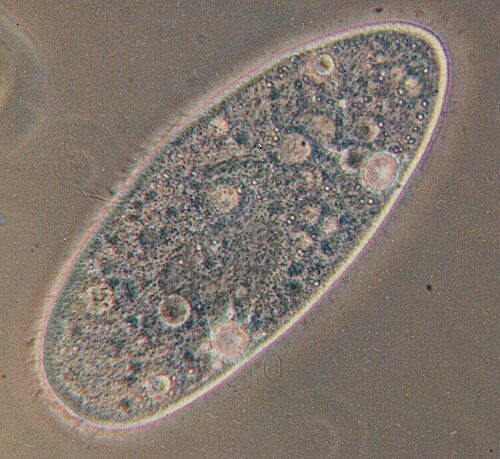
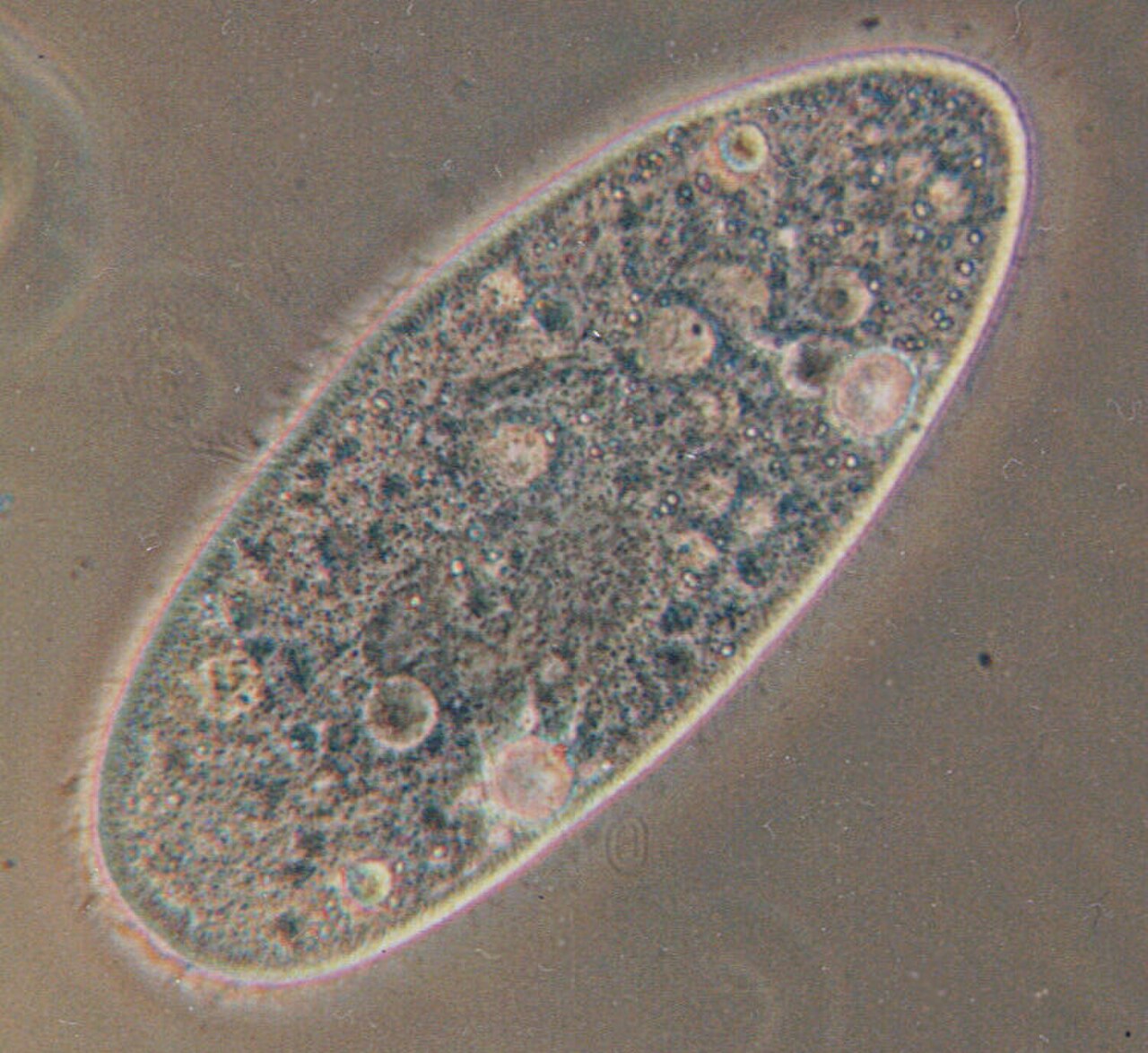
—observations
—countries
—peak records
Not EvaluatedConservation statusIUCN Red List categoriesLCNTVUENCREWEXNot Evaluated — not placed on the risk ladderRed List categories, explained →
Diet & preyFreshwater bacteria, Saccharomyces cerevisiae, Unicellular green algae
Predators
- Didinium nasutum
- Amoeba proteus
- Rotifers
ThreatsChemical water pollution, desiccation of ephemeral pools, and extreme acidification
HabitatsFreshwater ponds, ditches, marshes, and slow-moving streams rich in decaying plant matter
Life spanSeveral days per cellular generation; continuous via asexual division
Classification
- FamilyParameciidae
- SpeciesParamecium aurelia
Range data is not available yet.
Interaction riskLow
- Low
- Moderate
- High
- Very high
- Why interaction risk is low
- Safe to observe at a normal distance.
Responsible observation
- Sample collection: Gather murky water near decaying aquatic weeds to locate wild colonies.
- Microscopy technique: Add a drop of methyl cellulose to slow their swimming under high magnification.
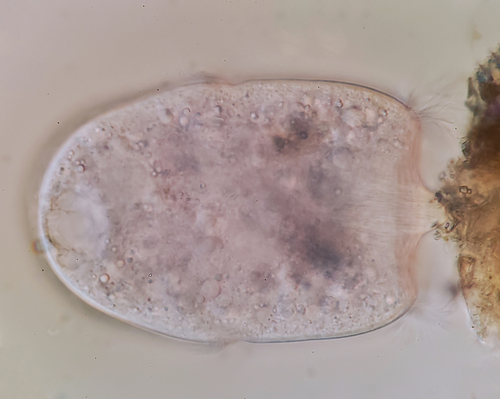
Predator žiadne práva vyhradené, uploaded by David Bird · cc0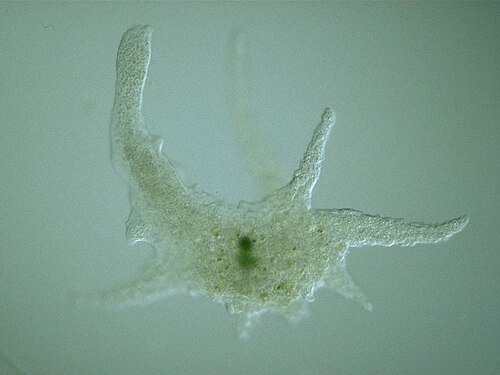
Predator dr.Tsukii Yuuji / CC BY-SA 2.5 · cc-by-sa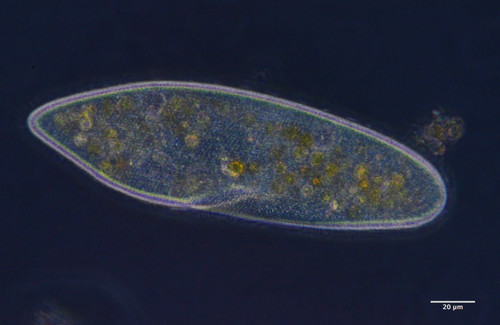
Close Relative (c) Don Loarie, some rights reserved (CC BY) · cc-by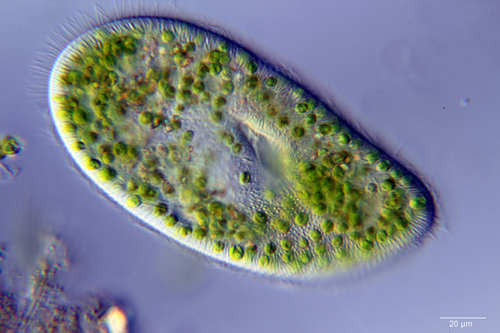
Close Relative (c) Anatoly Mikhaltsov, some rights reserved (CC BY-SA) · cc-by-sa
Help improve the field guideSomething wrong?
Checking your Fauna account…Report a name, category, or profile issue for review.