
Plant
Peppervine
Ampelopsis arboreaAlso known as Pepper-Vine, Buckvine, Pinnate-Leaved Pepper Vine
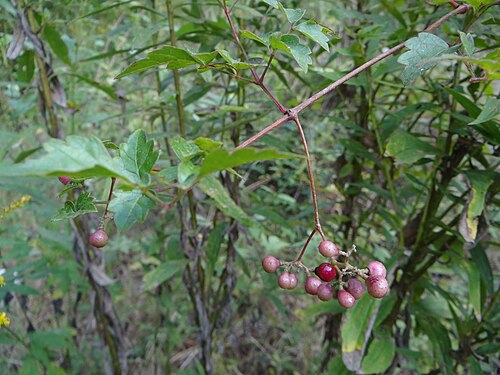
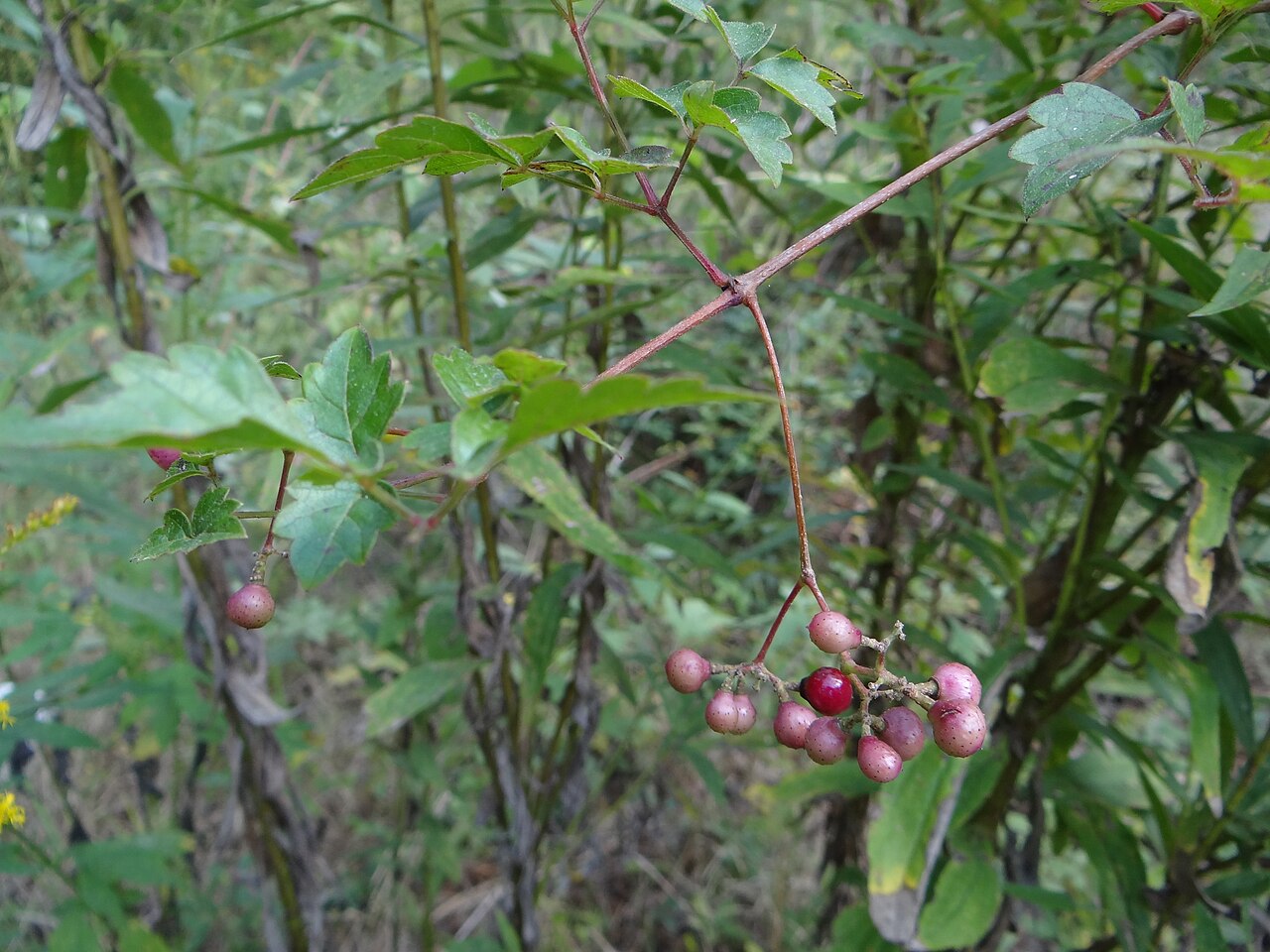
Peppervine thrives as an energetic woody climber across the American Southeast, using twining tendrils to scramble effortlessly over fences, shrubs, and forest margins. Its intricate, fern-like foliage emerges with delicate bronze hues in spring before turning into deep green summer leafage. In late summer and autumn, loose clusters of ripening berries display an eye-catching progression from lime green to magenta, turquoise, and glossy blue-black.
ClimbingVineDeciduous
—observations
—countries
—peak records
Not EvaluatedConservation statusIUCN Red List categoriesLCNTVUENCREWEXNot Evaluated — not placed on the risk ladderRed List categories, explained →
Diet & preyAutotrophic (photosynthetic)
Predators
- White-tailed deer
- Northern mockingbird
- Gray catbird
ThreatsHerbicide clearing, mechanical mowing, and competition from aggressive non-native vines
HabitatsStream banks, moist bottomland forests, fencerows, and disturbed thickets
Life span15–30 years
Classification
- FamilyVitaceae
- SpeciesAmpelopsis arborea
Range data is not available yet.
Interaction riskHigh
- Low
- Moderate
- High
- Very high
- Why interaction risk is high
- Berries contain calcium oxalate and wild berries have toxic look-alikes; never eat based on app identification alone.
- Why it is dangerous
- Berries contain microscopic calcium oxalate raphides that cause intense mouth pain, localized swelling, and gastrointestinal upset upon ingestion.
- How to recognize a risky encounter
- Recognize it by its bi- or tri-pinnately divided, fern-like leaves and multi-colored clusters of small round berries.
- What to do
- Wear gardening gloves when cutting back thick tangles, and ensure curious pets do not ingest the fruit.
Responsible observation
- Garden Management: Prune trailing runners each winter to prevent the vine from overtaking delicate garden shrubs.
- Wildlife Viewing: Watch fruiting clusters during autumn to observe migratory songbirds feeding on ripe berries.
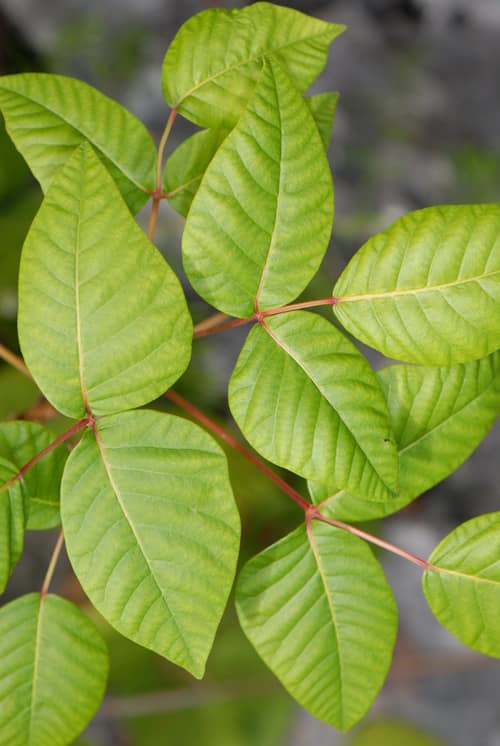
Frequent Companion (c) Sam Fraser-Smith, some rights reserved (CC BY) · cc-by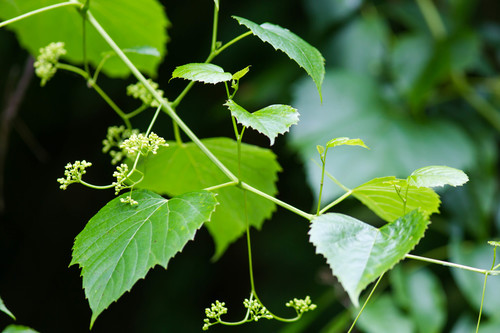
Close Relative (c) Melissa McMasters, some rights reserved (CC BY) · cc-by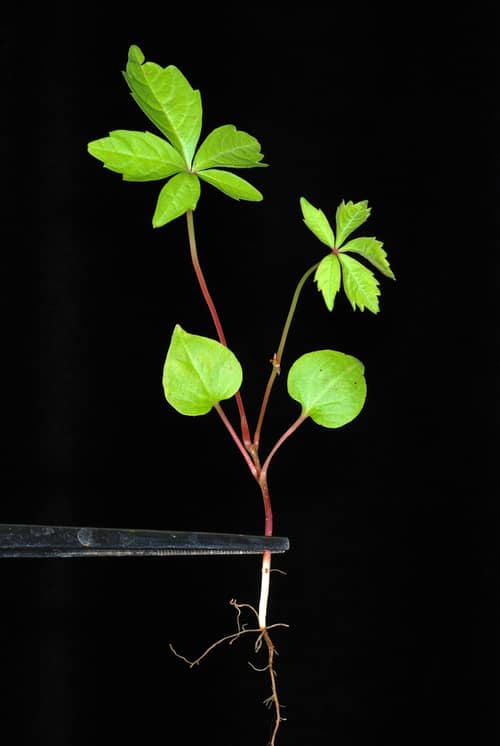
Close Relative (c) Douglas Goldman, some rights reserved (CC BY-SA), uploaded by Douglas Goldman · cc-by-sa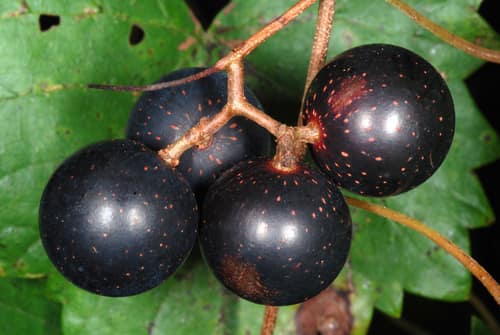
Close Relative (c) Douglas Goldman, some rights reserved (CC BY-SA), uploaded by Douglas Goldman · cc-by-sa
Help improve the field guideSomething wrong?
Checking your Fauna account…Report a name, category, or profile issue for review.