
Fungus · GBIF taxon 8338709
False Caesar's Mushroom
Amanita parcivolvataAlso known as Ringless False Fly Amanita, False Caesar
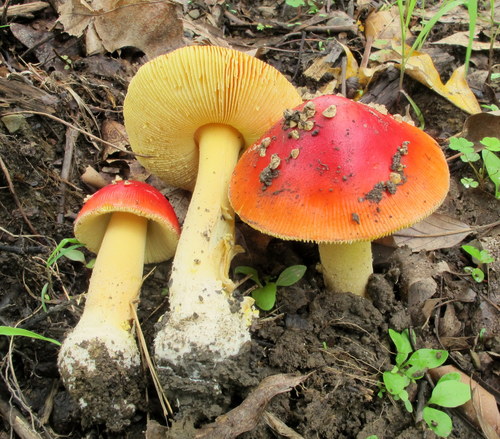
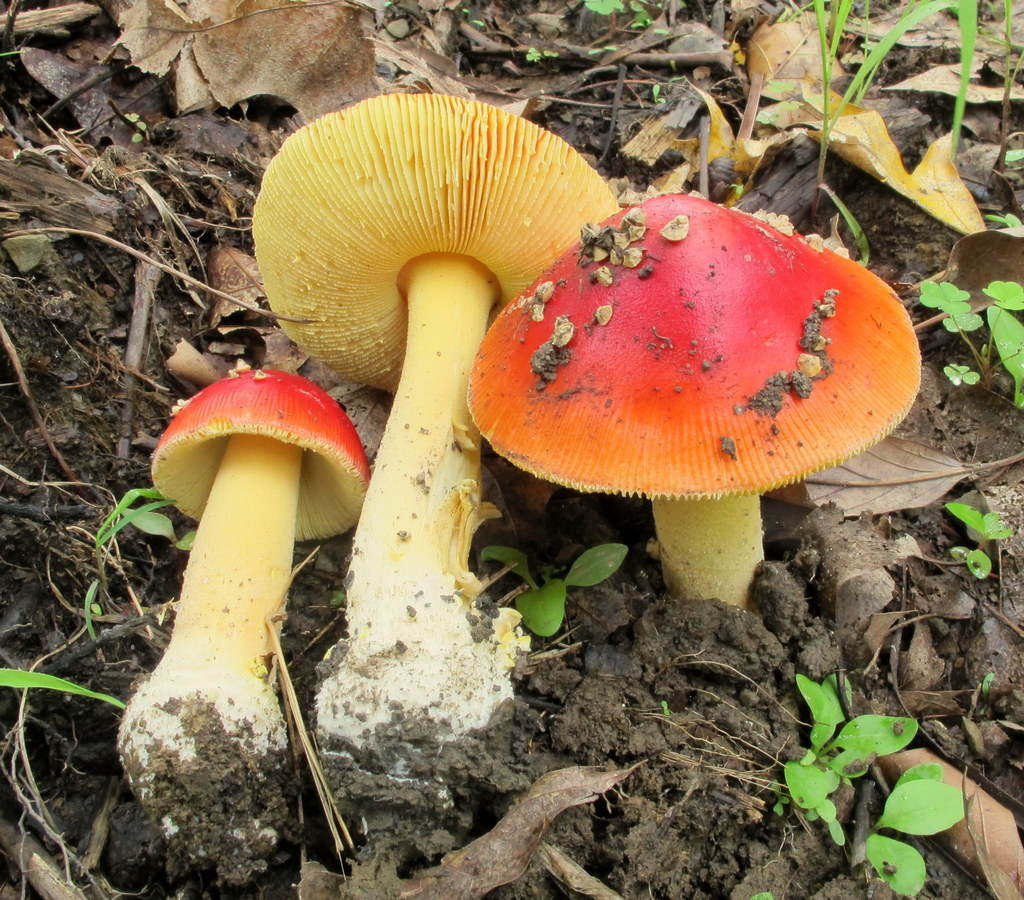
False Caesar's Mushroom stands out in eastern North American oak forests with its vivid red to orange-yellow cap flecked with bright yellow veil remnants. Unlike true Caesar's mushrooms, this species completely lacks a ring on its stem and bears pale yellow gills rather than stark white ones. It forms mycorrhizal relationships primarily with oaks and pines, fruiting after warm summer rains.
Bright Red CapForest FungusMycorrhizal
 1 / 7
1 / 7—observations
—countries
—peak records
Not EvaluatedConservation statusIUCN Red List categoriesLCNTVUENCREWEXNot Evaluated — not placed on the risk ladderRed List categories, explained →
Diet & prey
- Mycorrhizal (symbiotic with tree roots)
Predators
- Fungus gnats
- Slugs
- Squirrels
ThreatsHabitat destruction and extreme drought
HabitatsDeciduous and mixed forests, especially oak and pine woodlands
Life spanFruiting body lasts 3–7 days; underground mycelium persists perennially
Classification
- OrderAgaricales
- FamilyAmanitaceae
- GenusAmanita
- SpeciesAmanita parcivolvata
Range data is not available yet.
Interaction riskHigh
- Low
- Moderate
- High
- Very high
- Why interaction risk is high
- Contains toxins causing severe illness; wild mushrooms have dangerous look-alikes, never ingest.
- Why it is dangerous
- Contains muscarinic and ibotenic acid-like toxins that cause severe gastrointestinal distress and neurological symptoms if ingested.
- How to recognize a risky encounter
- Look for a bright orange-red cap with yellow powdery patches, yellow gills, and an unringed stalk rising from a minimal volva.
- What to do
- Observe and photograph in place without consuming, and wash hands after handling wild fungi.
Responsible observation
- Check the Stem: Look carefully at the upper stem to confirm the absence of an annulus or ring.
- Inspect the Gills: Note the pale yellow to creamy orange color of the gills under the cap.
- Observe Habitat: Look for this mushroom growing near oak and pine roots in mid to late summer.
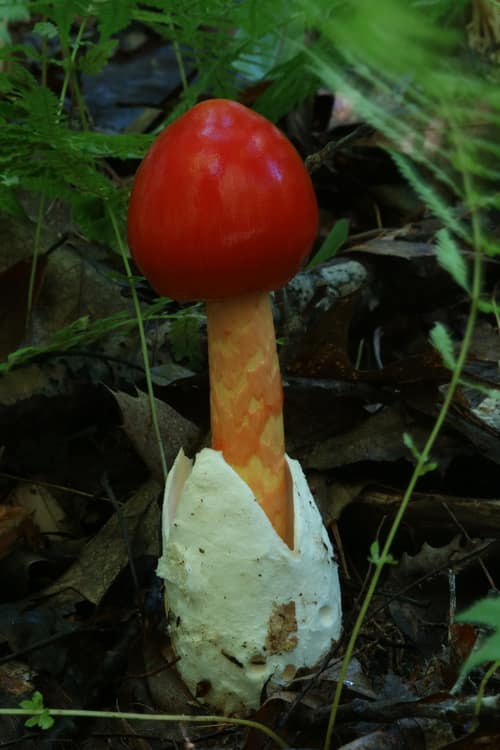
Look-Alike no rights reserved, uploaded by Garrett Taylor · cc0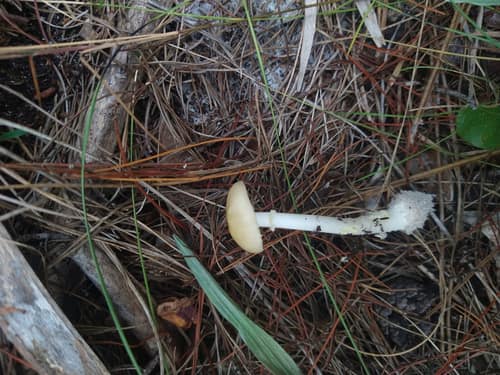
Look-Alike (c) Matthew Rozanoff, some rights reserved (CC BY) · cc-by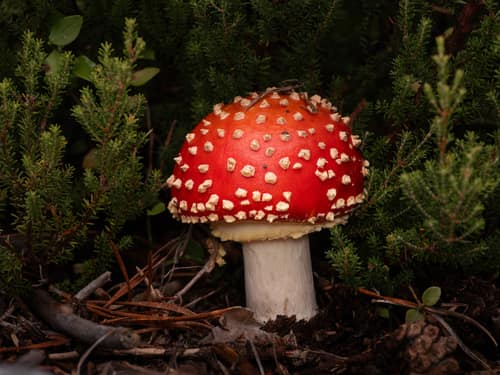
Close Relative (c) Borja Fierro, some rights reserved (CC BY), uploaded by Borja Fierro · cc-by
Keep collecting in Fauna
Found in Collections
Species set Pro
Fungi Forager
False Caesar's Mushroom is found in this collection. Identify it in Fauna to fill this slot and continue your progress.
Unlock to track progress
Help improve the field guideSomething wrong?
Checking your Fauna account…Report a name, category, or profile issue for review.