
Bird · GBIF taxon 8335820
African Pied Hornbill
Lophoceros fasciatusAlso known as West African Pied Hornbill
Congo pied hornbills move through Central African forest canopies with a distinctive dipping, undulating flight. During breeding, females seal themselves inside natural tree hollows using mud and droppings, relying entirely on mates to deliver food through a narrow slit until chicks fledge. Recognized by their bold black-and-white plumage and cream-colored bills, these noisy social birds often gather in small family groups near fruiting trees.
ArborealFrugivorousForest Bird
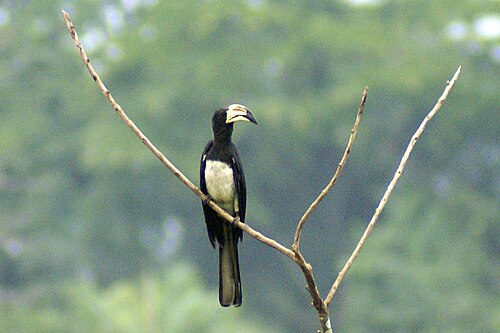
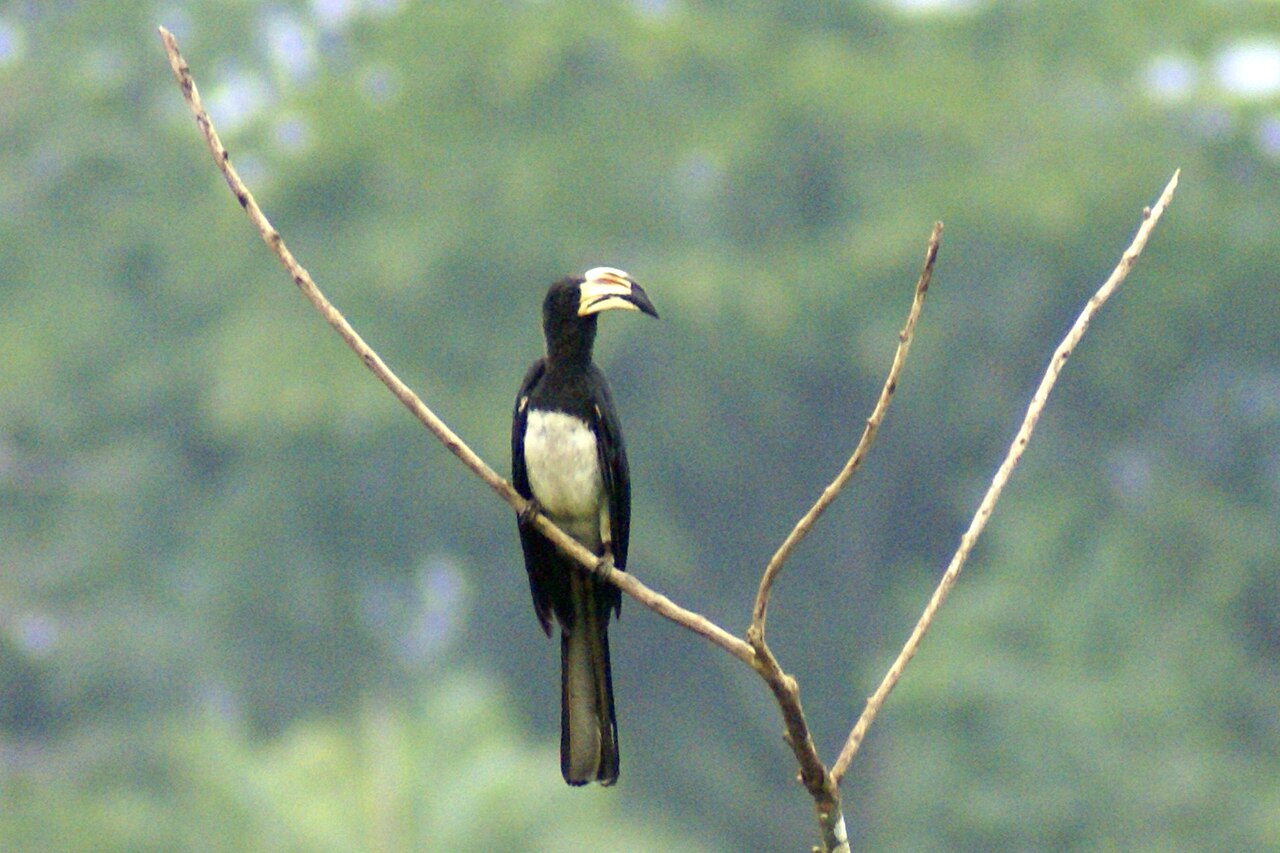
—observations
—countries
—peak records
Least ConcernConservation statusIUCN Red List categoriesLCNTVUENCREWEXLeast ConcernRed List categories, explained →
Diet & prey
- Oil palm fruits
- Figs
- Grasshoppers
Predators
- African Crowned Eagle
- Large arboreal snakes
- Civets
ThreatsDeforestation, agricultural development, localized hunting
HabitatsLowland rainforests, gallery forests, mature oil palm plantations
Life span10–15 years
Classification
- FamilyBucerotidae
- SpeciesLophoceros fasciatus
Range data is not available yet.
Interaction riskLow
- Low
- Moderate
- High
- Very high
- Why interaction risk is low
- Safe to observe at a normal distance.
Responsible observation
- Spotting in Canopies: Look for their distinctive undulating flight pattern as they move between fruiting trees.
- Listening for Calls: Listen for high-pitched, piping whistle calls echoing through forest clearings.
- Observing Foraging: Watch mature oil palm groves where flocks regularly gather to feed on palm nuts.
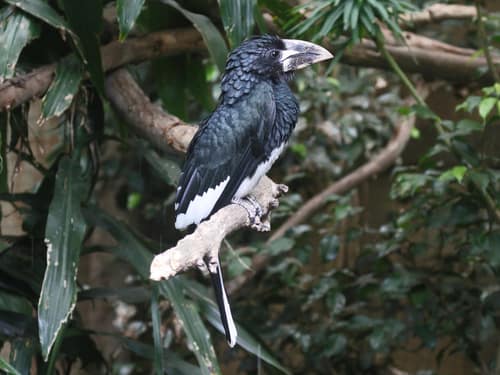
Forest Neighbor (c) DickDaniels, some rights reserved (CC BY-SA) · cc-by-sa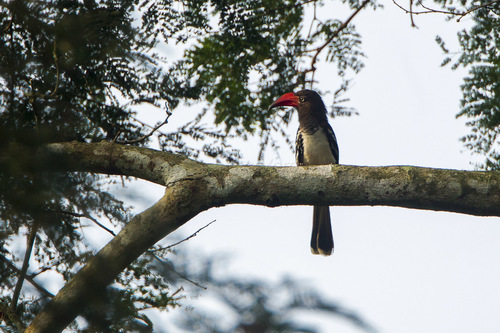
Close Relative (c) Francesco Veronesi, some rights reserved (CC BY-SA) · cc-by-sa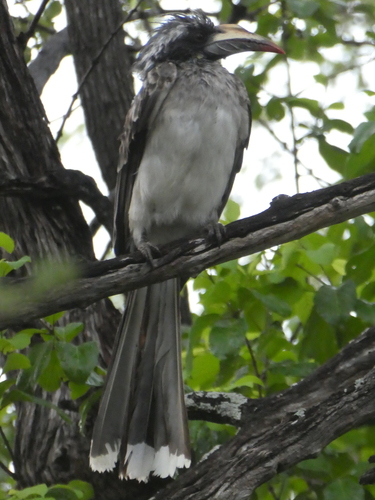
Close Relative (c) datadan, some rights reserved (CC BY) · cc-by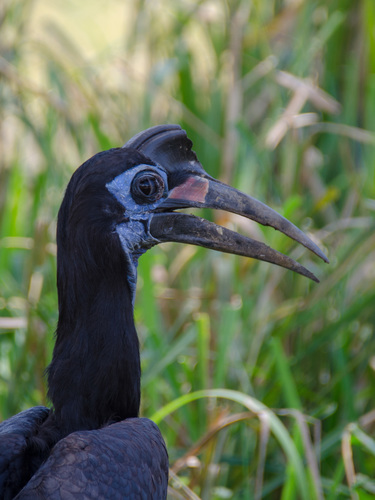
Family Kin (c) William Stephens, some rights reserved (CC BY) · cc-by
Help improve the field guideSomething wrong?
Checking your Fauna account…Report a name, category, or profile issue for review.