
Bird · GBIF taxon 8101752
African Gray Hornbill
Lophoceros nasutusAlso known as African Grey Hornbill, Grey Hornbill
African grey hornbills are slender, medium-sized hornbills recognized by their distinctively curved bills and mottled grey-brown plumage. They actively forage in pairs or small family groups across woodlands and savannas, flitting between branches in search of large insects and fruit. During the breeding season, females seal themselves inside tree cavities with mud, leaving only a narrow slit through which the male delivers food.
WoodlandCavity NesterSub-Saharan
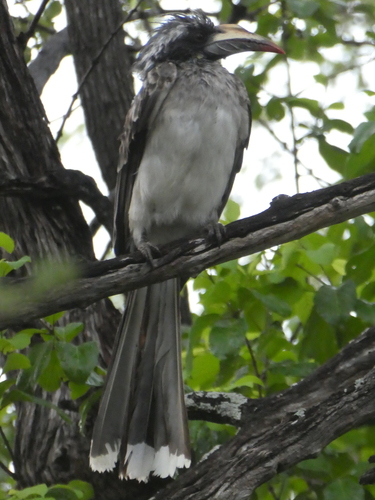
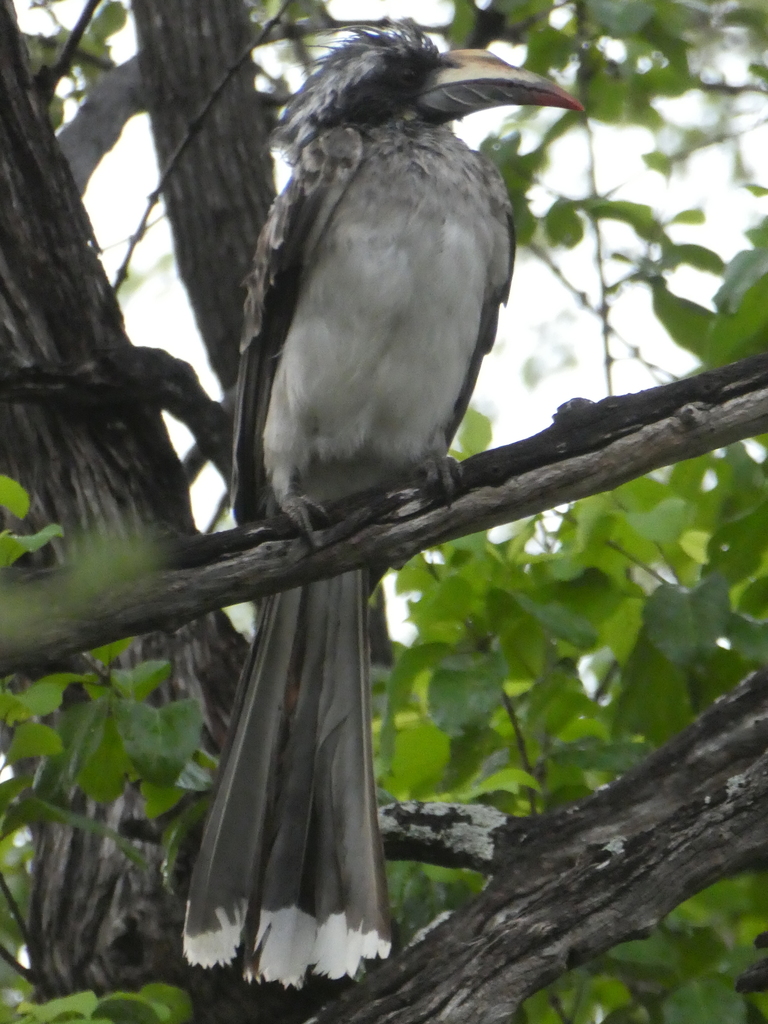
Licensed reference(c) datadan, some rights reserved (CC BY) · cc-by
—observations
—countries
—peak records
Least ConcernConservation statusIUCN Red List categoriesLCNTVUENCREWEXLeast ConcernRed List categories, explained →
Diet & prey
- Grasshoppers
- Lizards
- Tree Fruits
Predators
- Raptors
- Genets
- Snakes
ThreatsHabitat loss and the removal of large nesting trees
HabitatsSavanna, open woodland, dry bushland, thornveld
Life span10 to 15 years
Classification
- FamilyBucerotidae
- SpeciesLophoceros nasutus
Range data is not available yet.
Interaction riskLow
- Low
- Moderate
- High
- Very high
- Why interaction risk is low
- Safe to observe at a normal distance.
Responsible observation
- Listen for Calls: Scan the canopy when hearing their characteristic, rising piping whistle.
- Watch Nest Trees: Look for large mature trees with natural hollows during the breeding season.
- Keep Distance: Avoid approaching nest cavities closely to avoid disturbing breeding pairs.
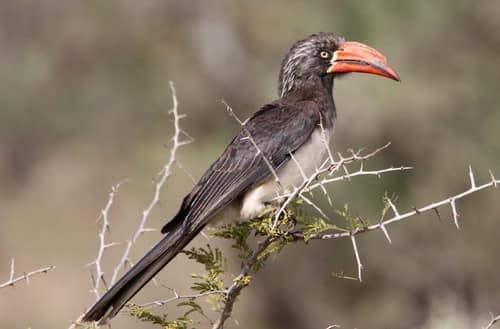
Genus Member (c) Derek Keats, some rights reserved (CC BY) · cc-by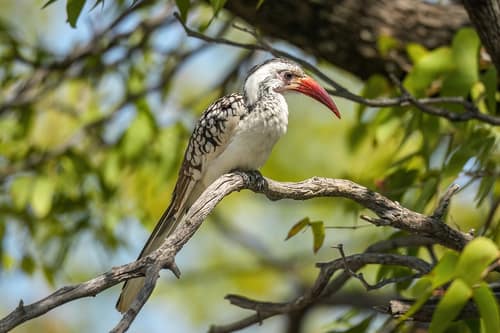
Close Relative Giles Laurent / CC BY-SA 4.0 · cc-by-sa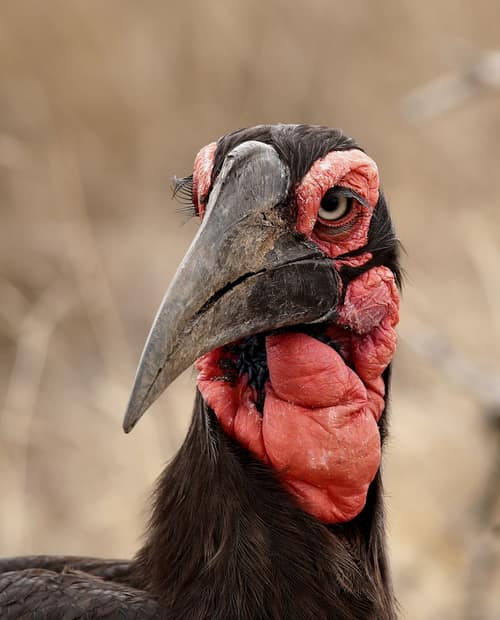
Family Member (c) Wynand Uys, some rights reserved (CC BY), uploaded by Wynand Uys · cc-by
Help improve the field guideSomething wrong?
Checking your Fauna account…Report a name, category, or profile issue for review.