
Fungus · GBIF taxon 8329645
Stubble Rosegill
Volvopluteus gloiocephalusAlso known as Big Sheath Mushroom, Rose-gilled Grisette
Stubble rosegills emerge rapidly in open, nutrient-rich habitats such as agricultural fields, compost heaps, and disturbed lawns following substantial rainfall. Young caps are viscid, pale greyish-white, and conical, gradually expanding to broad discs while the gills transition from pure white to a rich salmon pink as spores mature. A delicate, membranous volva encases the base of the tall stem, marking the rupture point of the universal veil that shielded the button stage.
SaprobicGrasslandCosmopolitan
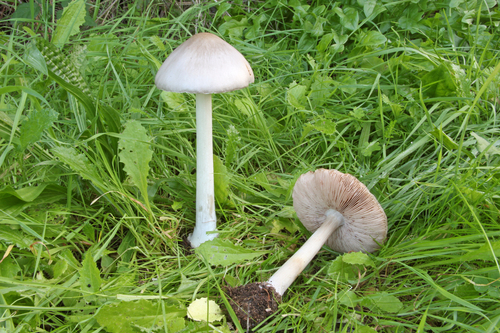
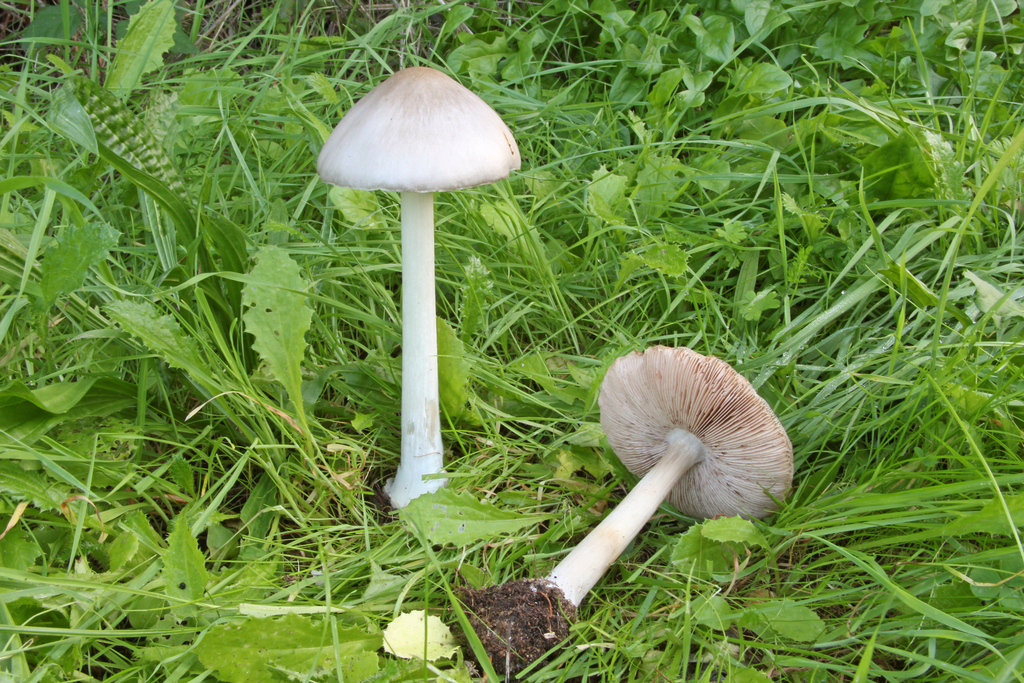 1 / 7
1 / 7—observations
—countries
—peak records
Not EvaluatedConservation statusIUCN Red List categoriesLCNTVUENCREWEXNot Evaluated — not placed on the risk ladderRed List categories, explained →
Diet & prey
- Saprobic (decomposing dead plant matter, straw, and organic debris)
Predators
- Slugs
- Fungus gnat larvae
- Rodents
ThreatsExcessive fungicide applications and intensive soil tillage
HabitatsAgricultural fields, cultivated soil, lawns, gardens, and compost piles
Life spanFruiting body lasts 3–7 days; mycelial network persists indefinitely
Classification
- OrderAgaricales
- FamilyPluteaceae
- GenusVolvopluteus
- SpeciesVolvopluteus gloiocephalus
Range data is not available yet.
Interaction riskLow
- Low
- Moderate
- High
- Very high
- Why interaction risk is low
- Many edible mushrooms have toxic look-alikes; never eat wild fungi based on app identification alone.
Responsible observation
- Inspect the Base: Gently excavate around the base of the stem to verify the presence of the cup-shaped volva.
- Observe Spore Color: Take a spore print on white paper to confirm the distinctive salmon-pink color.
- Field Observation: Photograph specimens in place without disturbing the surrounding soil structure.
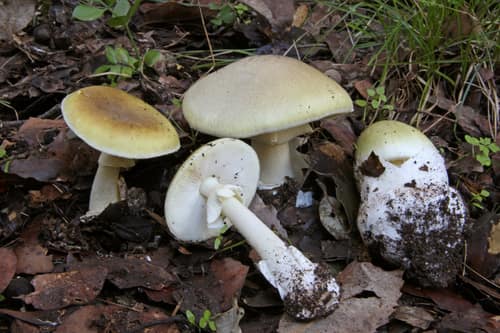
Look-alike (c) Davide Puddu, some rights reserved (CC BY), uploaded by Davide Puddu · cc-by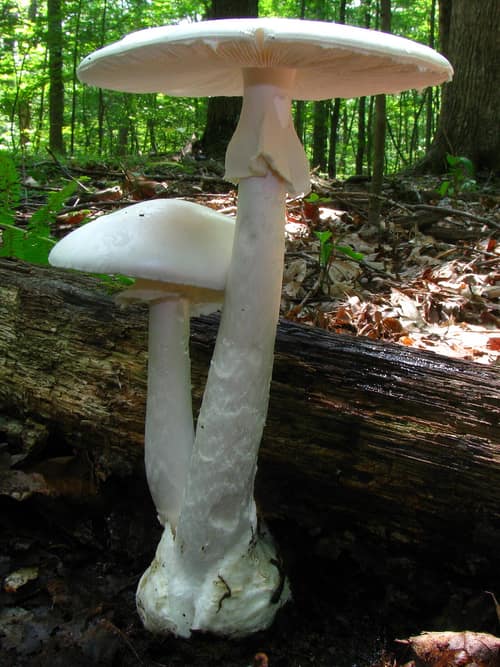
Look-alike Dan Molter (shroomydan) / CC BY-SA 3.0 · cc-by-sa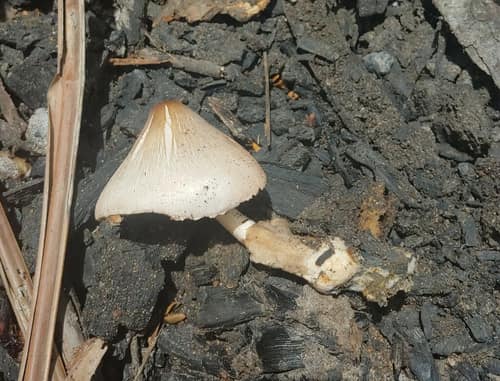
Close Relative (c) Kurt Miller, some rights reserved (CC BY-SA) · cc-by-sa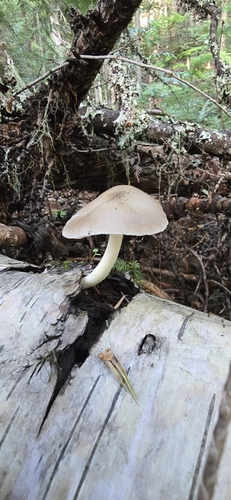
Same Family no rights reserved · cc0
Help improve the field guideSomething wrong?
Checking your Fauna account…Report a name, category, or profile issue for review.