
Plant · GBIF taxon 8324121
Red Clover
Trifolium pratenseAlso known as Peavine Clover, Purple Clover, Meadow Clover
Red clover is a vibrant perennial herb distinguished by its dense, globose pinkish-purple flower heads and three-part leaflets marked with prominent V-shaped pale chevrons. Nitrogen-fixing bacteria in its root nodules enrich poor soils, making it an essential cover crop and soil builder in agricultural systems. Honeybees and bumblebees rely heavily on its nectar throughout summer, making fields of red clover bustling hubs of pollinator activity.
FloweringPollinator FriendlyNitrogen Fixer
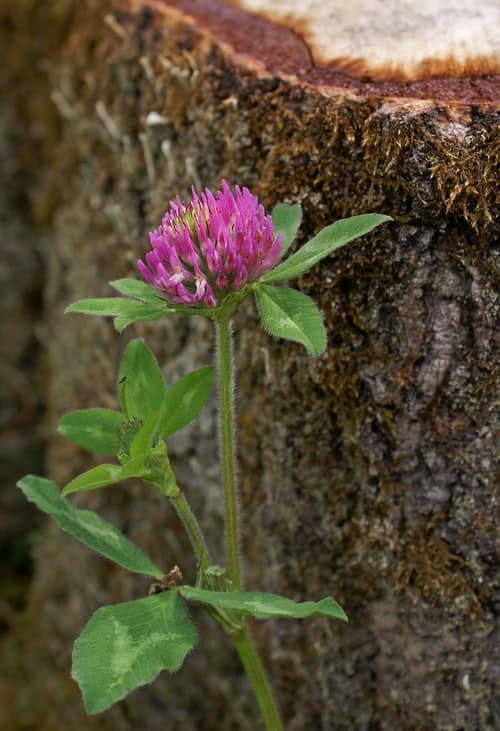
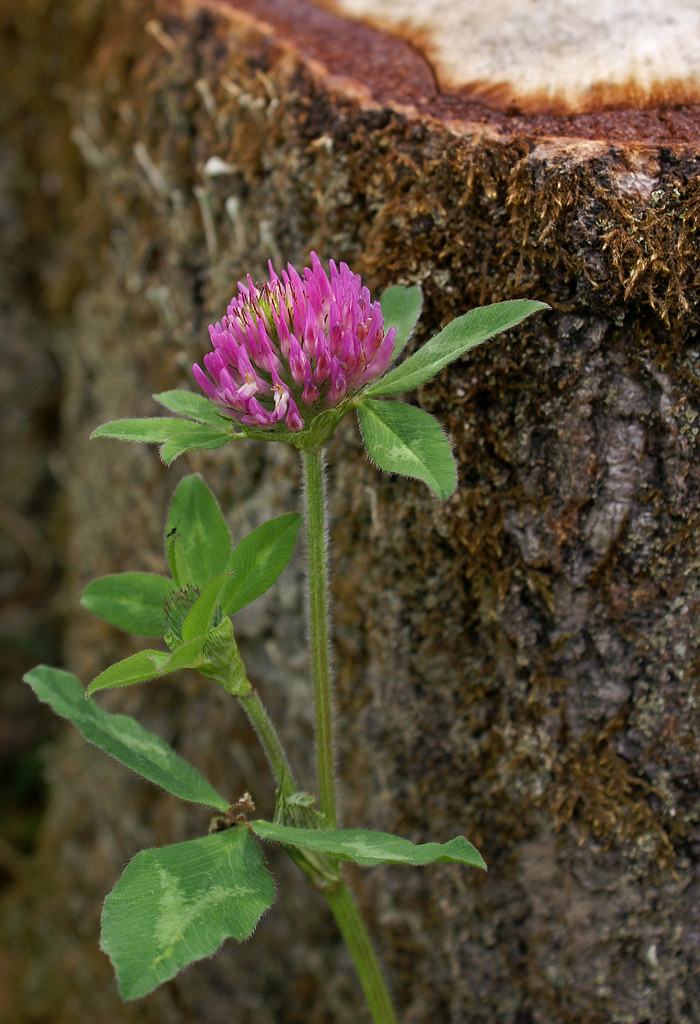
—observations
—countries
—peak records
Least ConcernConservation statusIUCN Red List categoriesLCNTVUENCREWEXLeast ConcernRed List categories, explained →
Diet & prey
- Autotrophic (Photosynthetic)
Predators
- Cattle
- White-tailed Deer
- Caterpillars
ThreatsHerbicide use, intense mowing, land development
HabitatsMeadows, pastures, roadsides, grassy fields, open woodlands
Life span2–5 years (short-lived perennial)
Size / weightNot available
Classification
- OrderFabales
- FamilyFabaceae
- GenusTrifolium
- SpeciesTrifolium pratense
Range data is not available yet.
Interaction riskLow
- Low
- Moderate
- High
- Very high
- Why interaction risk is low
- Safe to observe at a normal distance.
Responsible observation
- Identification: Look for the pale V-shaped chevron on the upper side of each leaflet.
- Pollinators: Watch long-tongued bumblebees visit the tubular florets on warm afternoon days.
- Root Inspection: Check soil around roots to find tiny pinkish nitrogen-fixing nodules.
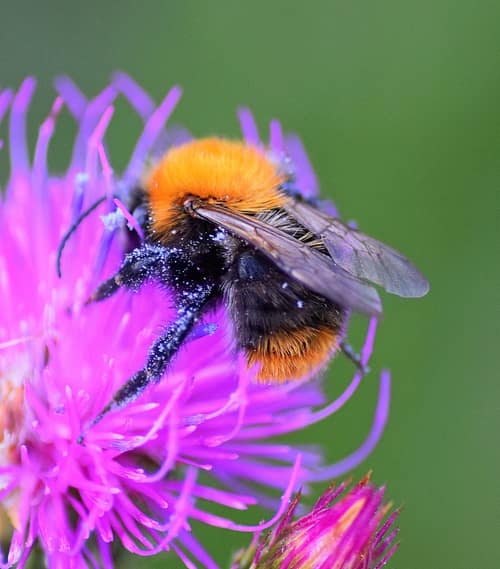
Pollinator (c) Kostas Zontanos, some rights reserved (CC BY), uploaded by Kostas Zontanos · cc-by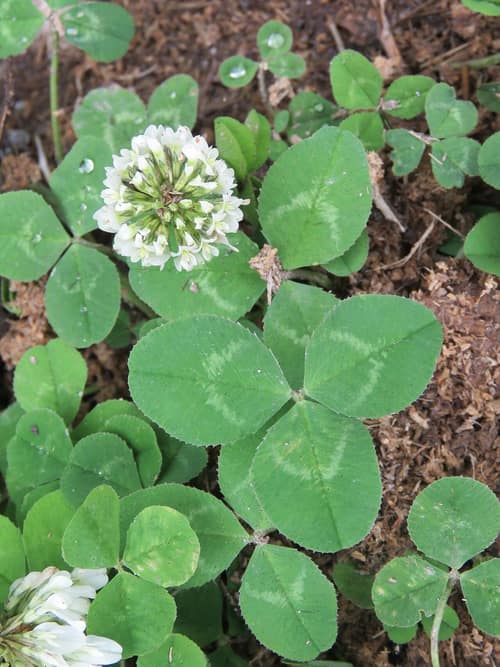
Close Relative Vinayaraj / CC BY-SA 4.0 · cc-by-sa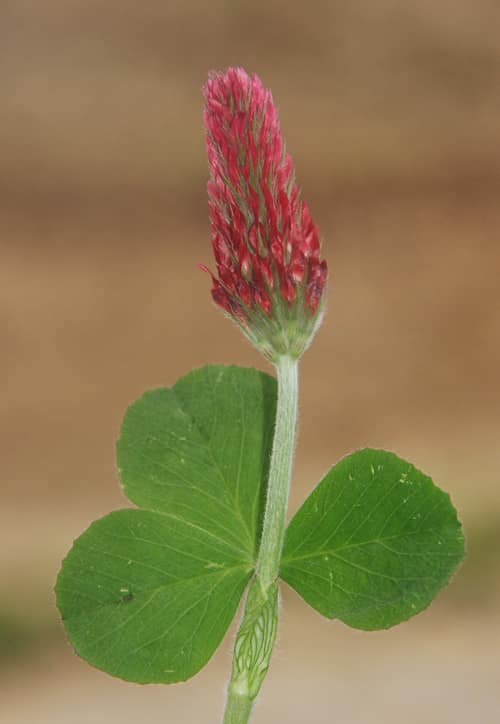
Close Relative Bernd Haynold / CC BY 2.5 · cc-by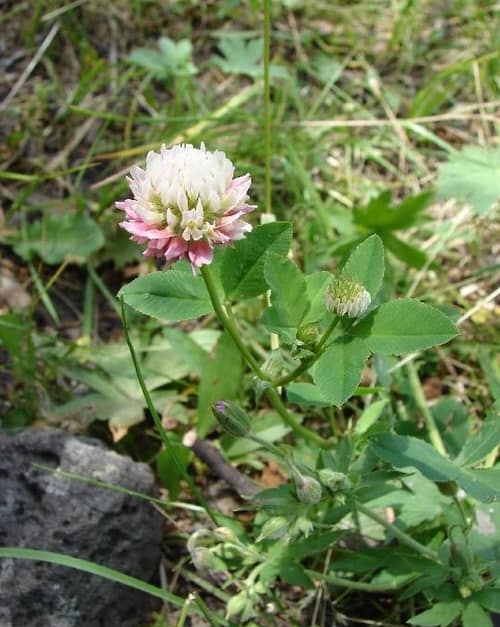
Close Relative Sheri Hagwood / Public domain · cc0
Help improve the field guideSomething wrong?
Checking your Fauna account…Report a name, category, or profile issue for review.