Also known as Swedish Clover, Alsike, Hybrid Clover
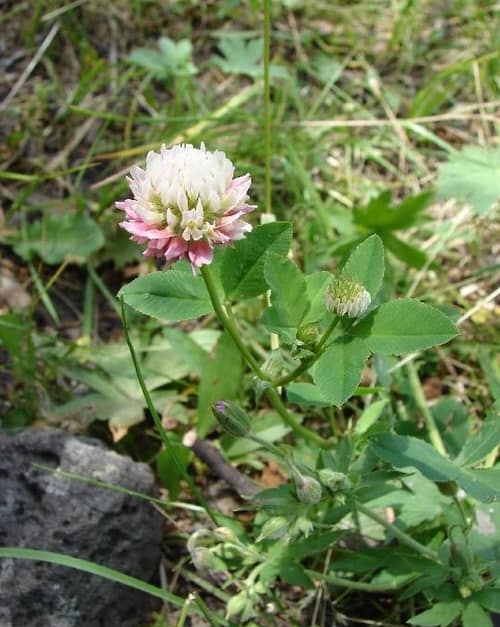
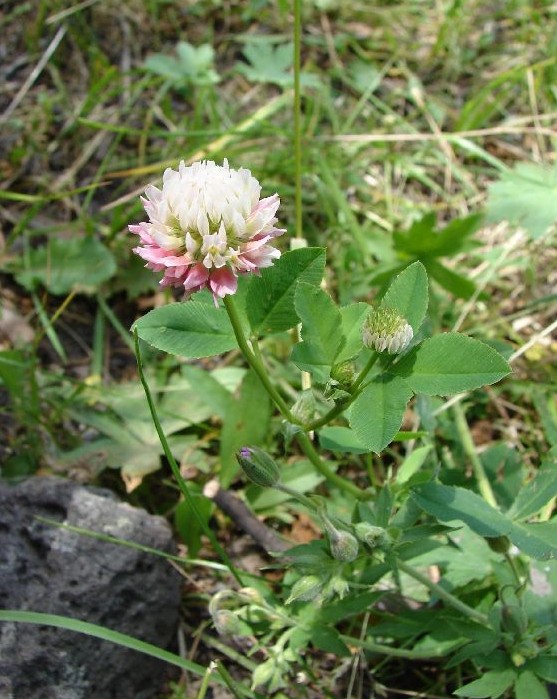
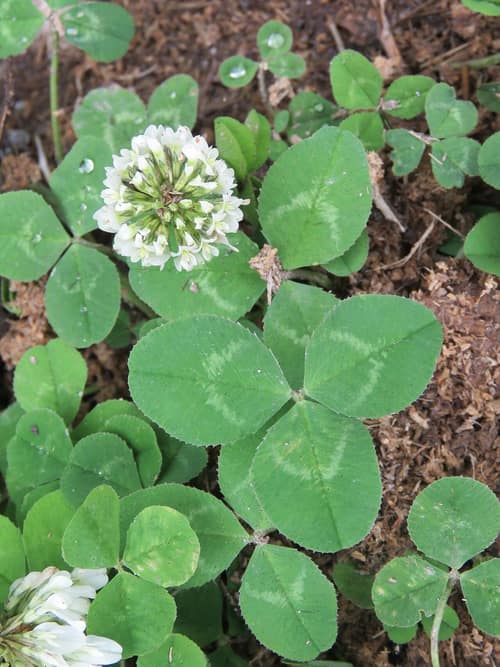
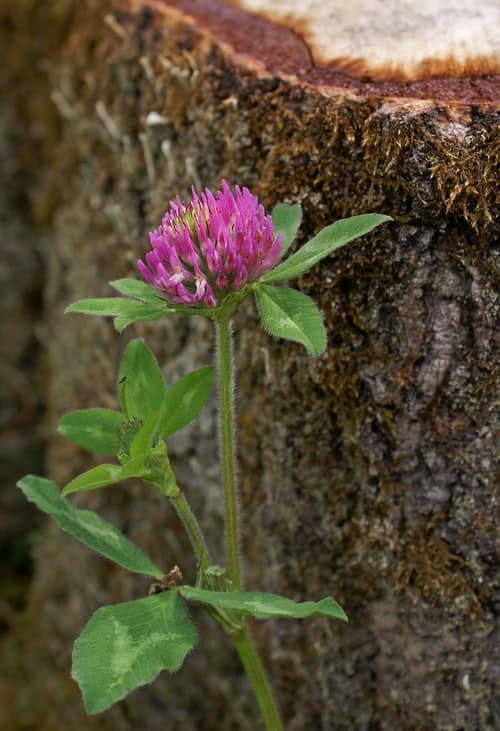
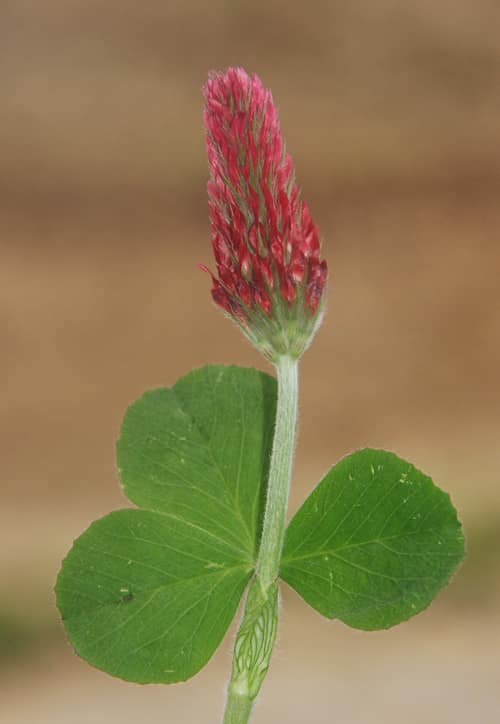
Alsike clover is a cool-season perennial legume known for its rounded flower heads that gradually shift from pure white at the top to clear pink at the base. Stalked flower heads emerge directly from the leaf axils along upright stems, and its smooth trifoliate leaves completely lack the white V-shaped markings common to white clover. Originally introduced from northern Europe as a forage crop, it regularly escapes into moist pastures, roadsides, and disturbed soils.
Toxic to horses if ingested in quantity; safe for humans to observe at a normal distance.
Why it is dangerous
Contains an unidentified phytotoxin that causes alsike clover poisoning in horses, leading to severe photosensitization, skin ulceration, and liver damage.
How to recognize a risky encounter
Recognized by upright smooth stems, pink-and-white flower clusters arising from leaf axils, and unmarked green leaflets.
What to do
Do not allow horses to graze heavily infested pastures, particularly during wet or dewy spring months.
Responsible observation
Pasture Safety: Restrict horse grazing in pastures dominated by this plant to prevent trifoliosis.
Leaf Identification: Check the leaf blades to confirm the absence of white chevron markings.
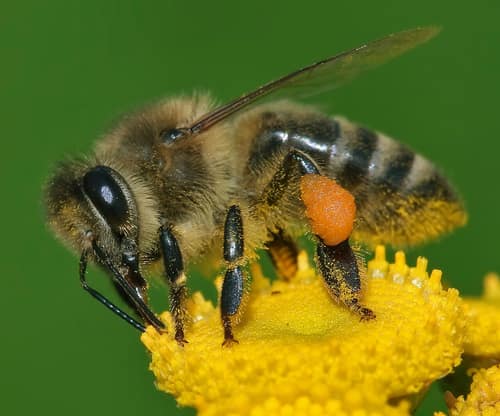
Pollinator Spotting: Watch the flower heads on warm summer afternoons for visiting bees and butterflies.