
Plant · GBIF taxon 8283204
Giant Blue Sage
Salvia azureaAlso known as Blue Sage, Azure Sage, Pitcher Sage
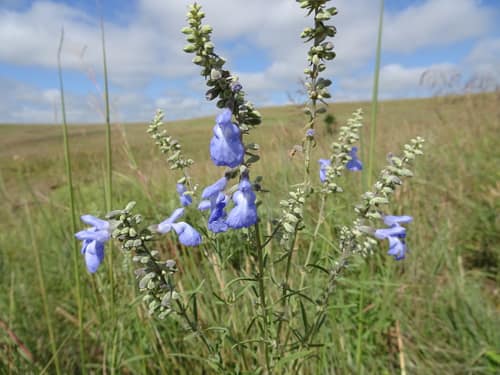
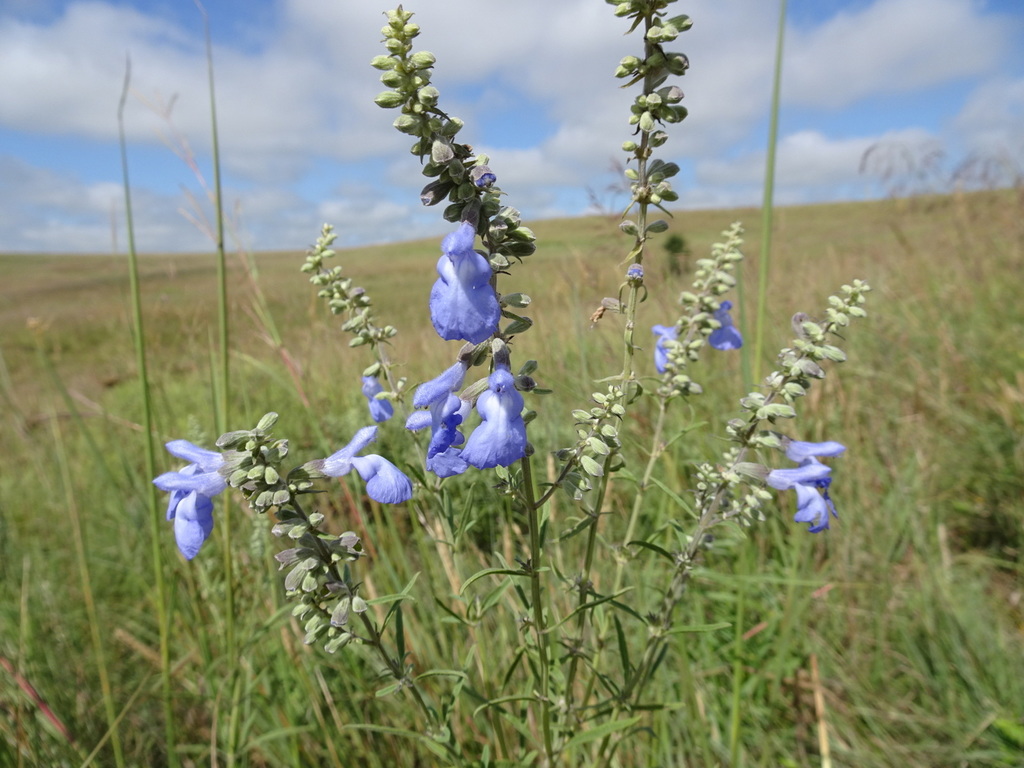
Giant blue sage decorates central and eastern North American prairies with towering spires of sky-blue flowers in late summer and autumn. Its slender stems often sprawl gracefully under the weight of autumn blooms, providing vital late-season nectar for bumblebees, butterflies, and hummingbirds. Deep taproots allow this resilient perennial to thrive in dry, rocky soils where few other prairie plants survive.
Prairie NativeLate BloomerPollinator Magnet
 1 / 7
1 / 7—observations
—countries
—peak records
Least ConcernConservation statusIUCN Red List categoriesLCNTVUENCREWEXLeast ConcernRed List categories, explained →
Diet & prey
- Sunlight
- Water
- Soil Minerals
Predators
Not available
ThreatsHabitat loss, woody plant encroachment, and herbicide runoff
HabitatsTallgrass prairies, glades, dry open woodlands, limestone barrens, and roadsides
Life spanPerennial (10+ years)
Size / weightNot available
Classification
- FamilyLamiaceae
- SpeciesSalvia azurea
Range data is not available yet.
Interaction riskLow
- Low
- Moderate
- High
- Very high
- Why interaction risk is low
- Safe to observe at a normal distance.
Responsible observation
- Pinch Stems Early: Prune back stems in late spring to encourage bushier growth and reduce flopping.
- Observe Bees: Watch the two-lipped flowers on sunny autumn afternoons to see pollinators trigger the stamina lever.
- Plant in Full Sun: Place in well-drained soil with maximum sunlight for robust floral displays.
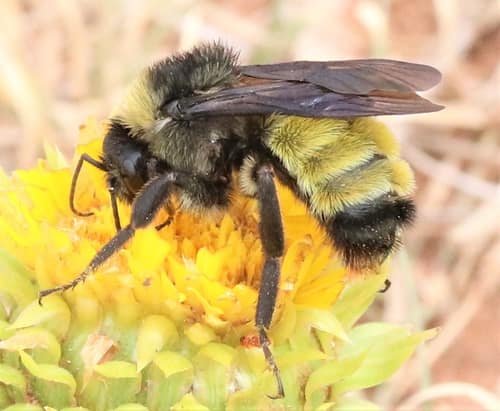
Pollinator (c) crseaquist, some rights reserved (CC BY), uploaded by crseaquist · cc-by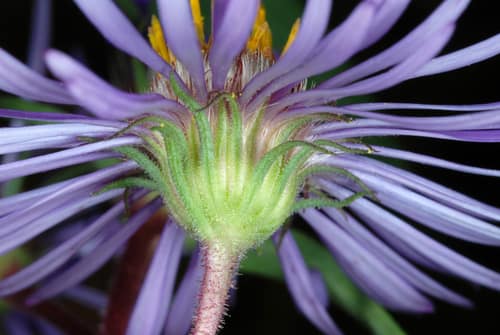
Frequent Companion (c) Douglas Goldman, some rights reserved (CC BY-SA), uploaded by Douglas Goldman · cc-by-sa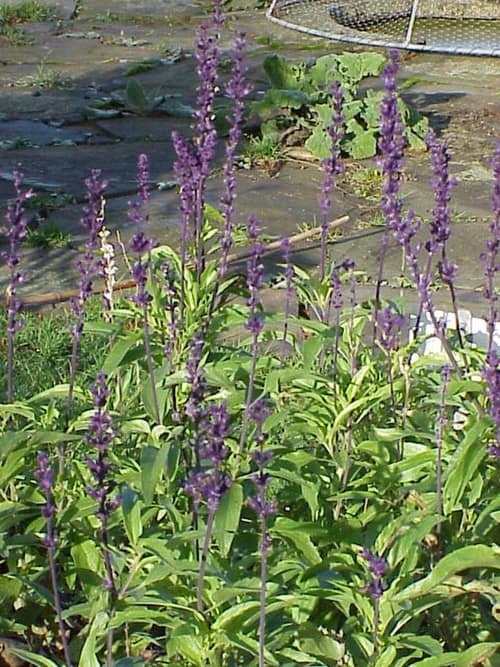
Close Relative Wikimedia Commons / CC BY-SA 3.0 · cc-by-sa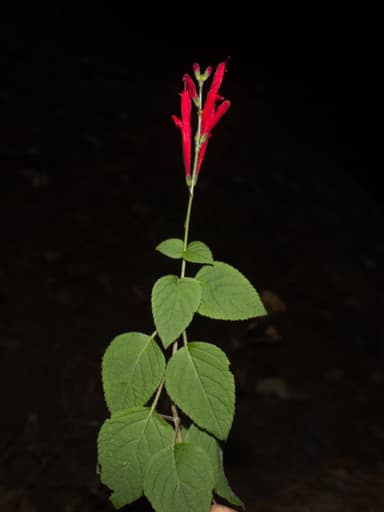
Close Relative (c) Ángela Patricia Rojas Cortés, some rights reserved (CC BY-SA), uploaded by Ángela Patricia Rojas Cortés · cc-by-sa
Help improve the field guideSomething wrong?
Checking your Fauna account…Report a name, category, or profile issue for review.