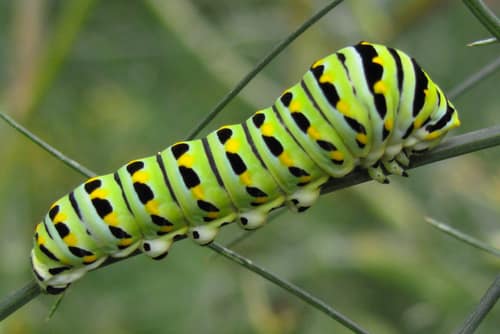
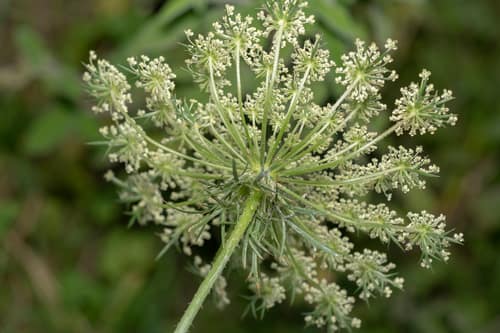
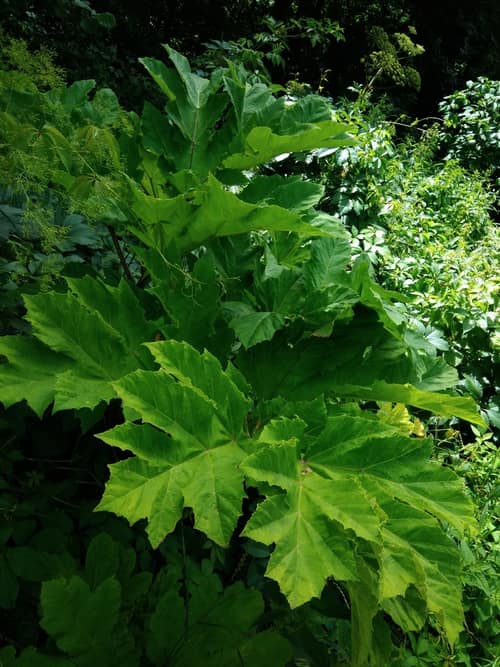
Wild parsnip thrives as a robust biennial herb that colonizes disturbed grasslands, roadsides, and meadows across temperate regions worldwide. In its first year, it stays low to the ground as a basal rosette storing energy in a thick taproot before bolting up to two meters tall in its second summer to produce broad, flat umbels of sulfur-yellow flowers. The entire plant produces defensive furanocoumarins that protect it against insect herbivores but cause severe chemical burns on human skin when triggered by sunlight.
ThreatsTargeted mechanical eradication, mowing regimes, and selective herbicide application
HabitatsRoadsides, old fields, railway corridors, prairie edges, and disturbed pastures
Life span2 years (monocarpic biennial)
Size / weightNot available
Classification
OrderApiales
FamilyApiaceae
GenusPastinaca
SpeciesPastinaca sativa
Range & activity
Range data is not available yet.
Safe observation
Interaction riskHigh
Low
Moderate
High
Very high
Why interaction risk is high
Plant sap causes severe blistering burns when exposed to sunlight; do not touch bare-handed.
Why it is dangerous
The sap contains toxic furanocoumarins that induce severe phytophotodermatitis, causing intense chemical burns, painful fluid-filled blisters, and long-lasting hyperpigmentation when exposed to ultraviolet light.
How to recognize a risky encounter
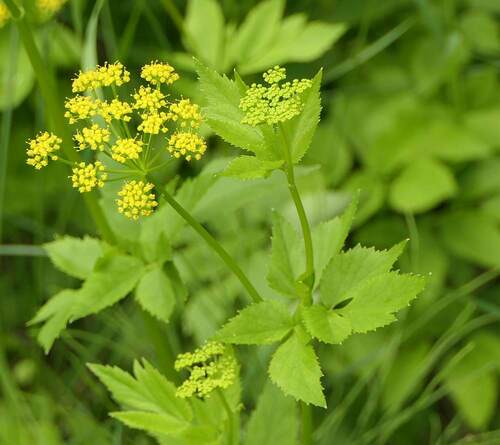
Recognized by its hollow, deeply grooved green stems, pinnately compound leaves with saw-toothed leaflets, and broad, umbrella-like clusters of tiny yellow flowers.
What to do
Never touch, pull, or brush against this plant with bare skin, and avoid using weed trimmers that spray pulverized sap into the air.
Responsible observation
Protective Clothing: Wear gloves, long sleeves, and pants when walking through meadows where this plant grows.
Immediate First Aid: Wash skin immediately with cold water and soap if exposed to sap, and shield the area from sunlight.

 Image unavailable