
Mammal · GBIF taxon 8243249
Caucasian Squirrel
Sciurus anomalusAlso known as Persian Squirrel
Caucasian squirrels are nimble, medium-sized tree squirrels easily distinguished by their rich reddish-chestnut underparts and greyish-brown upper coats. Active during the day, they spend much of their time foraging in oak, beech, and walnut canopies or caching surplus nuts underground for winter survival. Unlike many of their European relatives, they prefer nesting inside natural tree hollows rather than building exposed leaf dreys high in the branches.
DiurnalTree SquirrelArboreal
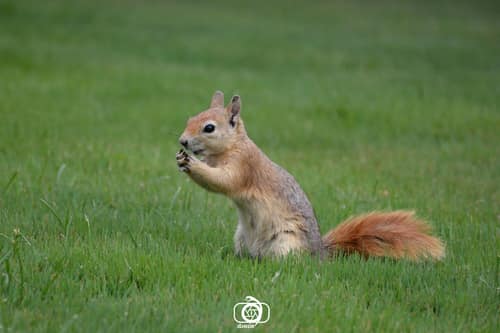
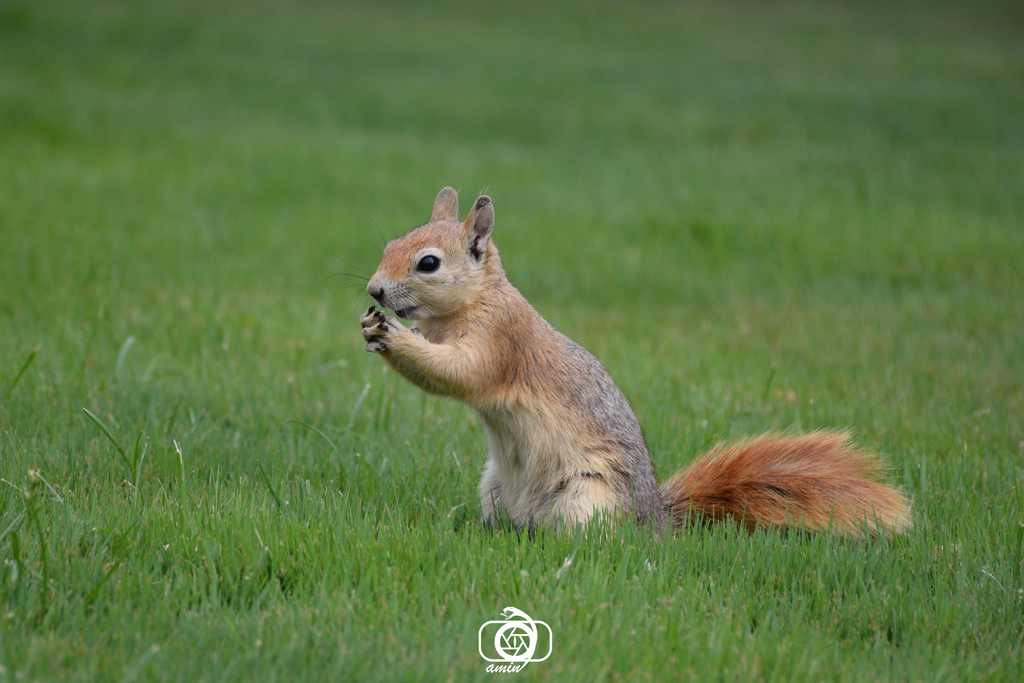
—observations
—countries
—peak records
Least ConcernConservation statusIUCN Red List categoriesLCNTVUENCREWEXLeast ConcernRed List categories, explained →
Diet & prey
- Acorns
- Walnuts
- Pine Seeds
Predators
- Pine Marten
- Golden Eagle
- Red Fox
ThreatsDeforestation, forest fragmentation, hunting, habitat degradation
HabitatsTemperate broadleaf and mixed forests, oak woodlands, fruit orchards
Life span7–12 years in the wild
Classification
- FamilySciuridae
- SpeciesSciurus anomalus
Range data is not available yet.
Interaction riskLow
- Low
- Moderate
- High
- Very high
- Why interaction risk is low
- May bite or scratch if cornered or handled; observe quietly from a distance.
Responsible observation
- Forest Scans: Look along low oak or beech branches during early morning hours when activity peaks.
- Listen for Calls: Watch for tail-flicking paired with sharp, metallic warning chirps across the canopy.
- Check Tree Cavities: Search around old, mature hollow trees where individuals nest and shelter.
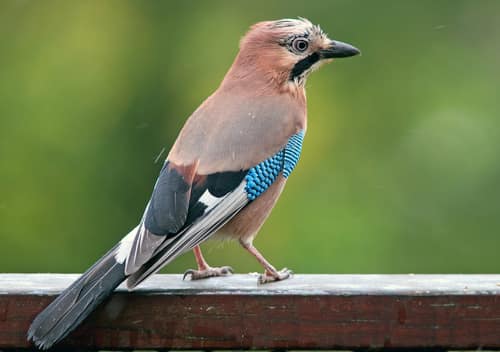
Competitor (c) Luc Viatour, some rights reserved (CC BY-SA) · cc-by-sa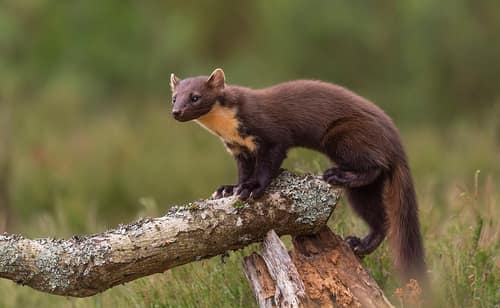
Predator caroline legg / CC BY 2.0 · cc-by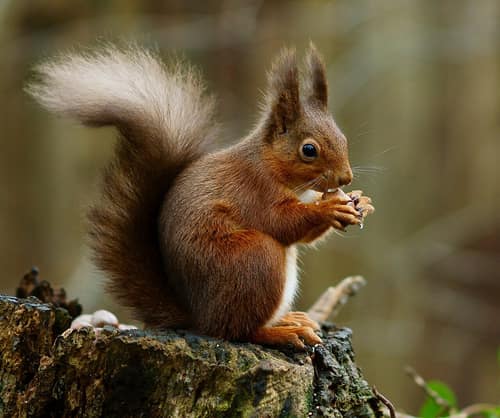
Close Relative Peter Trimming / CC BY 2.0 · cc-by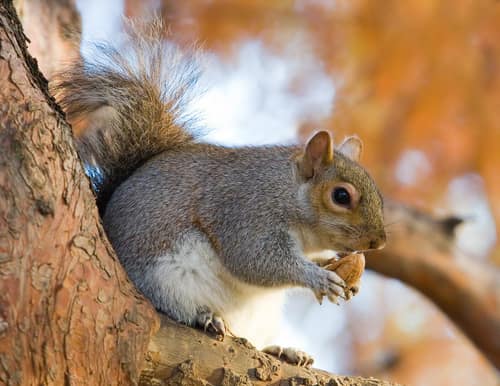
Close Relative (c) Diliff, some rights reserved (CC BY-SA) · cc-by-sa
Help improve the field guideSomething wrong?
Checking your Fauna account…Report a name, category, or profile issue for review.