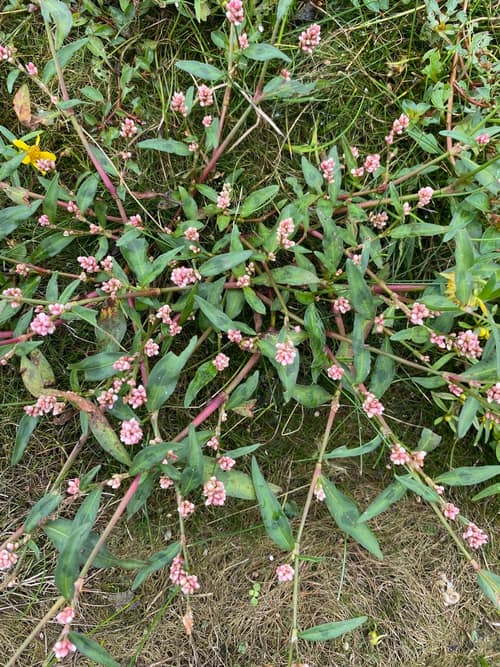
Also known as Curly Dock, Yellow Dock, Sour Dock, Narrow Dock
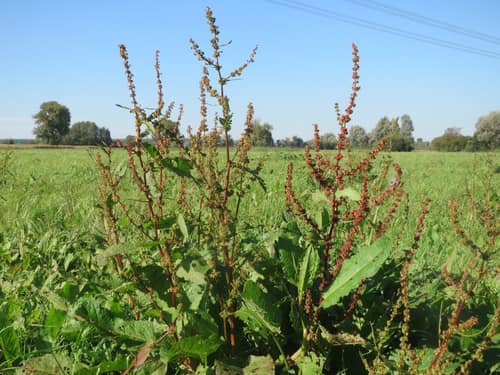
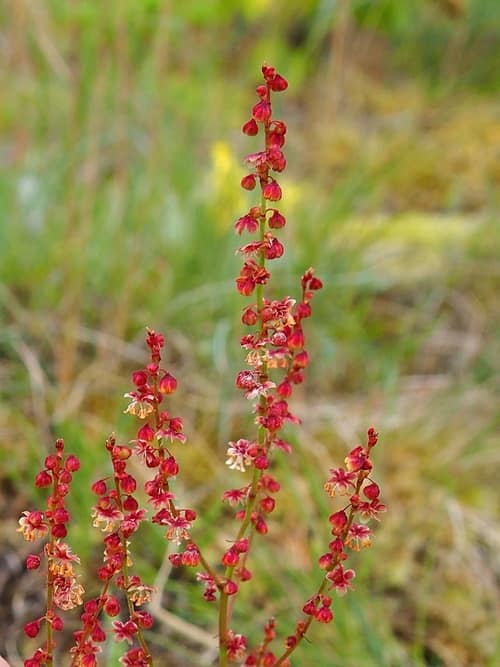
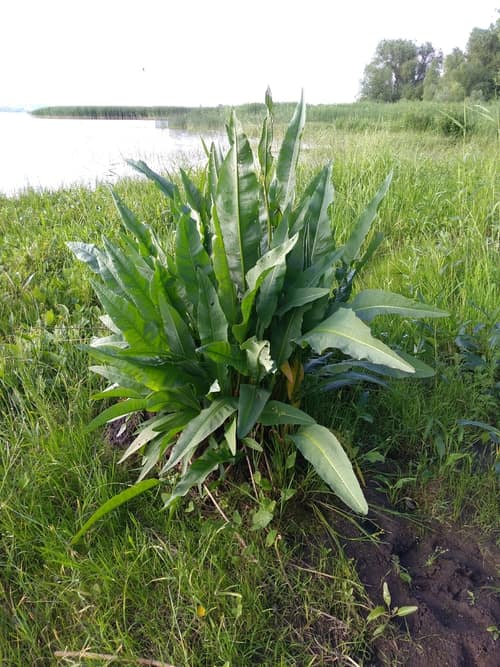
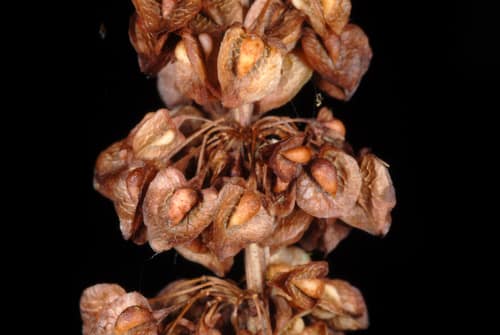
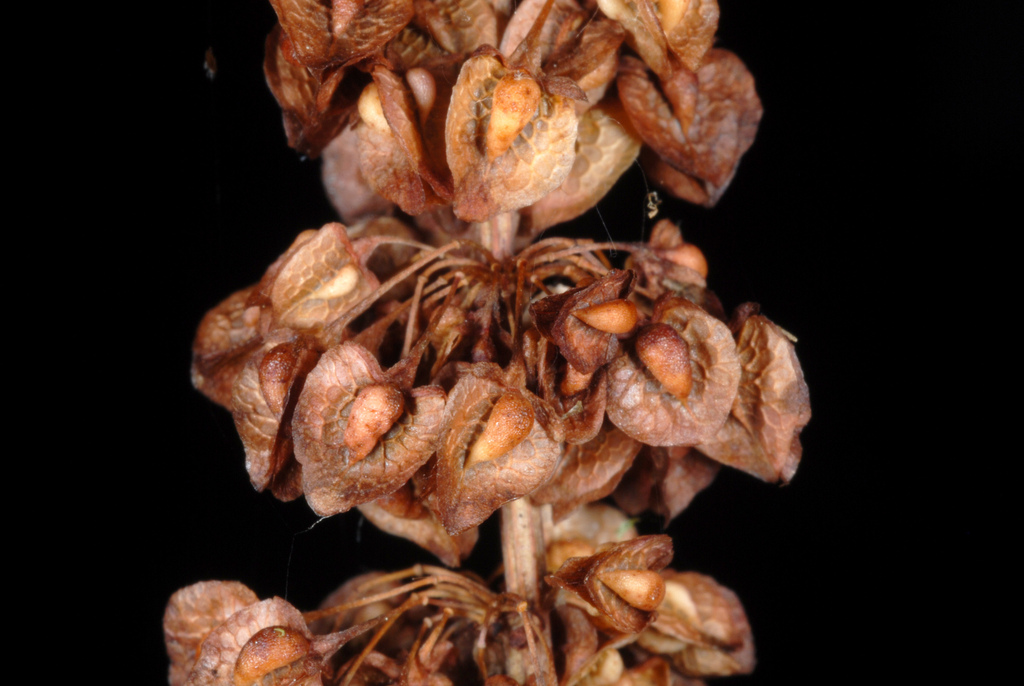
Curled dock produces long, lance-shaped leaves with distinctly ruffled edges that rise from a deep yellow taproot. In late summer, its small green flowers transform into dense, persistent rusty-brown seed heads that remain standing well into winter. Highly adaptable, this hardy perennial thrives in disturbed soils, roadsides, and agricultural pastures worldwide.
Contains soluble oxalates that are toxic to pets and livestock if ingested in quantity.
Why it is dangerous
Contains high levels of soluble oxalates, which can cause kidney damage, hypocalcemia, and severe digestive upset in livestock and pets if consumed in large quantities.
How to recognize a risky encounter
Recognizable by its narrow leaves with heavily crinkled edges and tall, reddish-brown seed spikes in late summer.
What to do
Keep grazing stock away from dense patches and ensure domestic pets do not chew the foliage.
Responsible observation
Leaf Identification: Look for distinctive wavy or crinkled margins along the narrow lanceolate leaves.
Seasonal Stalks: Spot tall, dense clusters of small greenish flowers that turn reddish-brown as seeds mature.
Habitat Spotting: Search along road verges, fallow fields, and pasture boundaries where soil has been disturbed.

 1 / 7
1 / 7