Also known as Bitter Dock, Bluntleaf Dock, Butter Dock, Dock Leaf
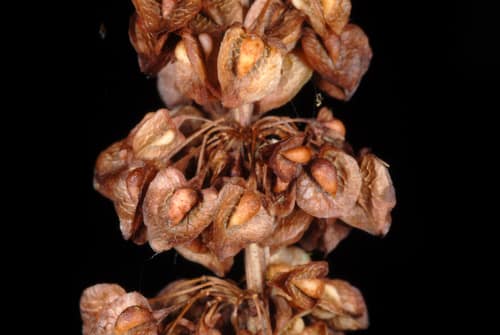
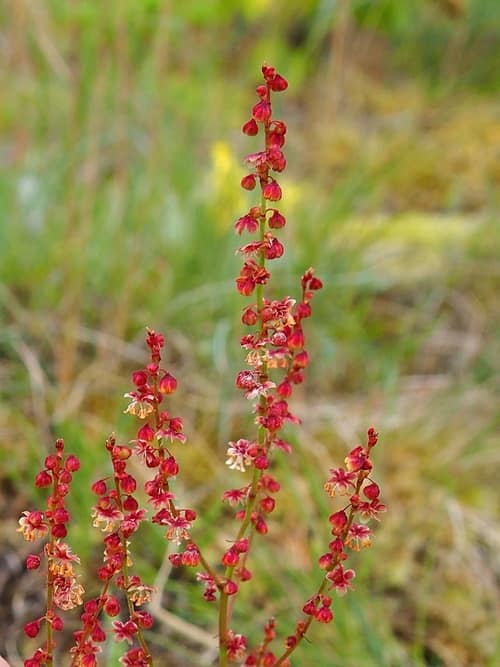
Broad-leaved dock establishes a formidable taproot capable of plunging over a meter into heavy, compacted soils to mine deep reserves of moisture and nutrients. Dense rosettes of broad, wavy-margined leaves easily outshade neighboring pasture grasses, followed by tall rust-colored flower spikes that yield thousands of hooked seeds viable for decades. Bruised dock leaves have long served in European folk tradition as a soothing topical poultice rubbed onto skin irritated by stinging nettles.
ThreatsHerbicides, deep cultivation, and specialized dock-feeding beetles
HabitatsPastures, meadows, agricultural fields, waste ground, and roadsides
Life spanPerennial (5–10 years; buried seeds survive up to 80 years)
Size / weightNot available
Classification
OrderCaryophyllales
FamilyPolygonaceae
GenusRumex
SpeciesRumex obtusifolius
Range & activity
Range data is not available yet.
Safe observation
Interaction riskHigh
Low
Moderate
High
Very high
Why interaction risk is high
Contains high concentrations of oxalates; toxic to livestock and pets if consumed in large quantities.
Why it is dangerous
Contains high levels of soluble oxalates that bind systemic calcium, causing kidney irritation or hypocalcemia when eaten in large quantities by pets or livestock.
How to recognize a risky encounter
Look for tall reddish-brown seed heads rising from substantial rosettes of broad, blunt-tipped leaves with heart-shaped bases.
What to do
Keep grazing livestock, horses, and dogs from feeding heavily on foliage, and wear gardening gloves during extensive weeding.
Responsible observation
Nettle Companion: Look for dock growing in nitrogen-rich soil near stinging nettles, where its crushed sap is traditionally used to soothe stings.
Deep Removal: Dig down at least 15 to 20 cm to sever the taproot below the crown when weeding, or the plant will rapidly resprout.
Deadheading Timing: Clip and bag flower spikes before the green seeds turn rusty brown to prevent thousands of long-lived seeds from shedding.

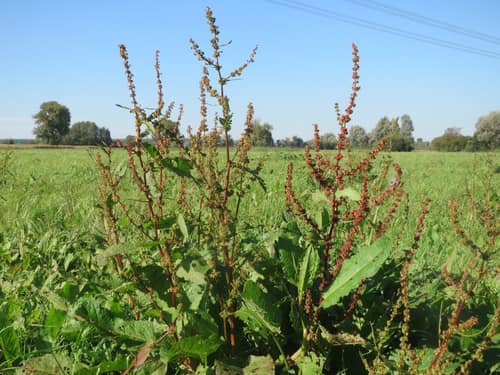
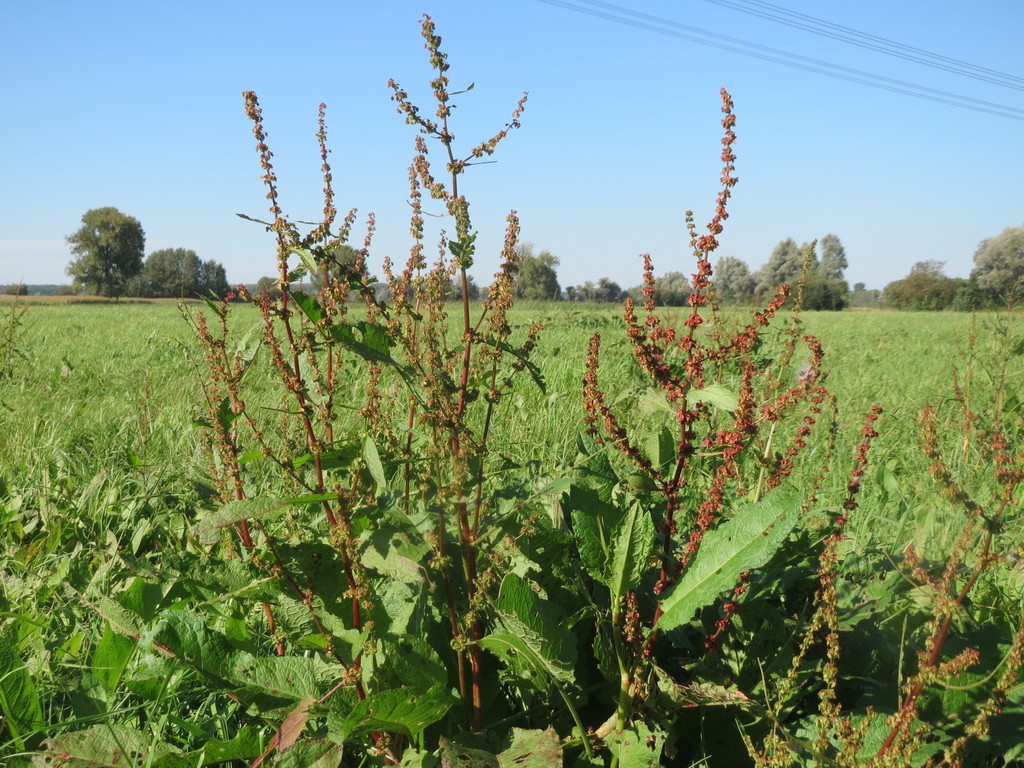
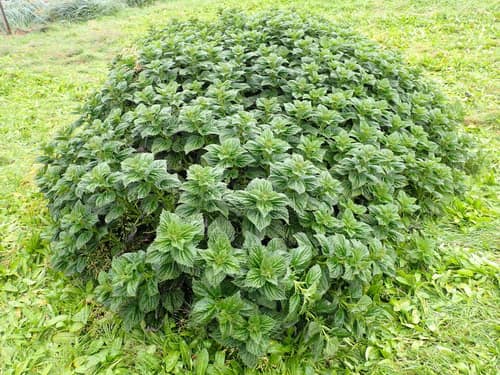
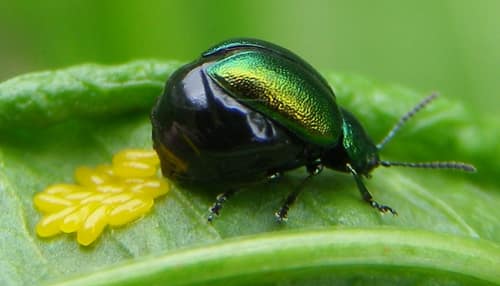
 Image unavailable