
Plant
Gray Birch
Betula populifoliaAlso known as Wire Birch, Poverty Birch, Fire Birch, Oldfield Birch
Gray birch quickly reclaims scorched or cleared ground, thriving in thin, nutrient-poor soils where few other trees survive. Distinctive triangular leaves flutter on slender stems like aspen foliage, catching the slightest breeze above dull, non-peeling grayish-white bark. Because it is short-lived and shade-intolerant, this slender pioneer eventually yields the forest canopy to slower-growing hardwoods and conifers.
DeciduousPioneer SpeciesFast-Growing
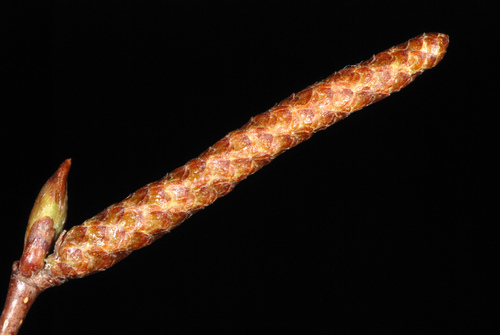
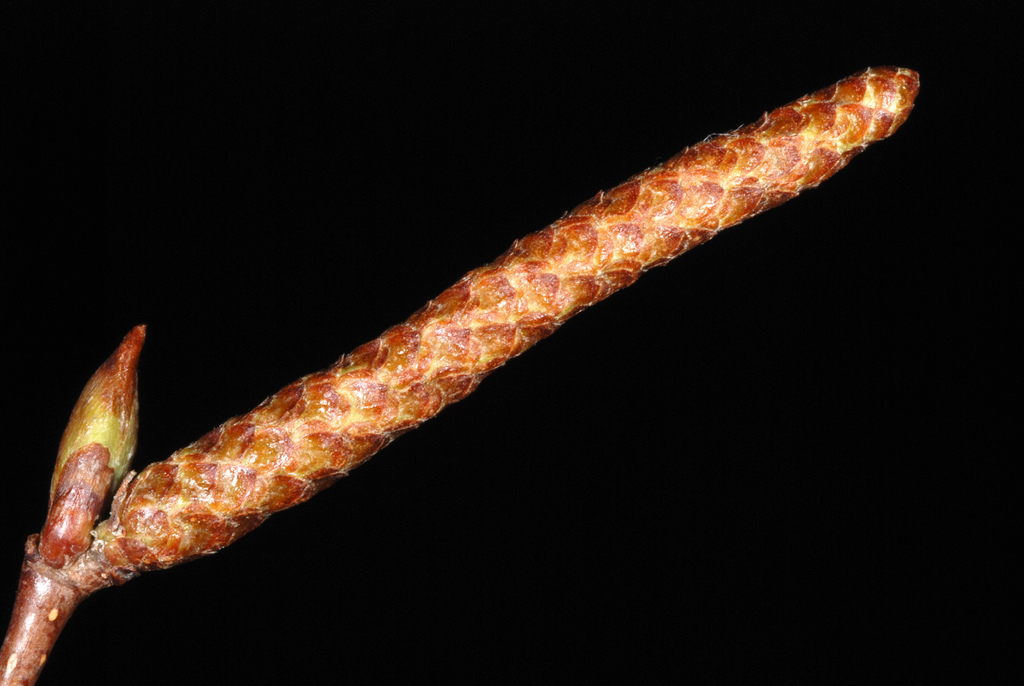
—observations
—countries
—peak records
Least ConcernConservation statusIUCN Red List categoriesLCNTVUENCREWEXLeast ConcernRed List categories, explained →
Diet & preyAutotrophic (photosynthesis)
Predators
- Bronze birch borer
- Birch leafminer
- White-tailed deer
ThreatsEcological succession, bronze birch borer, and birch leafminer
HabitatsDisturbed woodlands, old fields, burn sites, rocky slopes, and sandy barrens
Life span30–50 years
Classification
- OrderFagales
- FamilyBetulaceae
- GenusBetula
- SpeciesBetula populifolia
Range data is not available yet.
Interaction riskLow
- Low
- Moderate
- High
- Very high
- Why interaction risk is low
- Safe to observe at a normal distance.
Responsible observation
- Bark inspection: Look for dark triangular chevron patches beneath branch joints to distinguish it from paper birch.
- Seasonal observation: Search for long, drooping male catkins unfurling in early spring before the leaves expand.
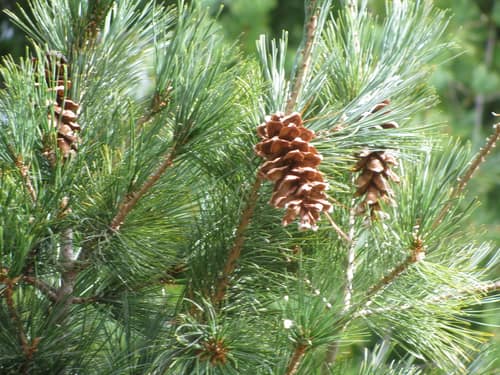
Competitor (c) Forest and Kim Starr, some rights reserved (CC BY) · cc-by Image unavailable
Parasite 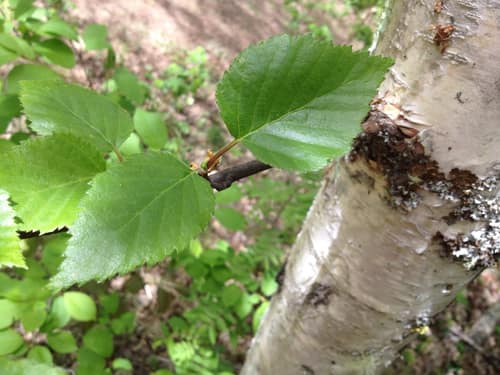
Close Relative no rights reserved, uploaded by Dezene Huber · cc0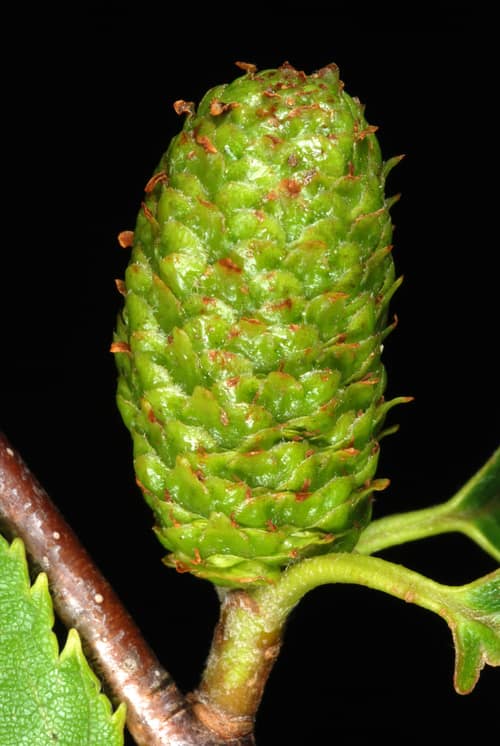
Close Relative (c) Douglas Goldman, some rights reserved (CC BY-SA), uploaded by Douglas Goldman · cc-by-sa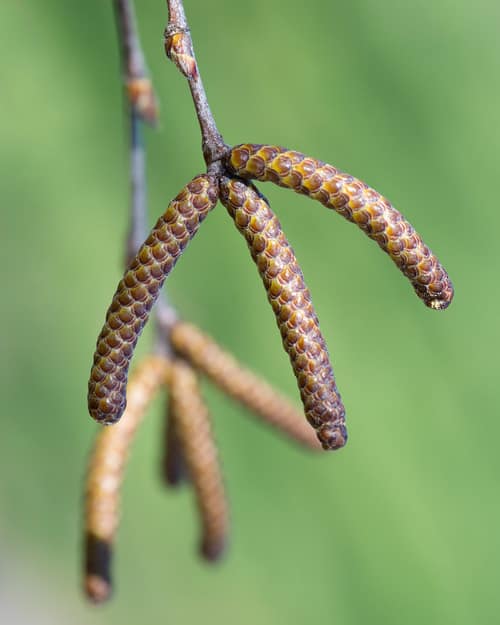
Close Relative (c) Plant Image Library, some rights reserved (CC BY-SA) · cc-by-sa
Help improve the field guideSomething wrong?
Checking your Fauna account…Report a name, category, or profile issue for review.