
Plant
Marsh Baccharis
Baccharis glutinosaAlso known as Saltmarsh Baccharis, Douglas' Falsewillow
Marsh baccharis thrives in damp wetlands, saline shores, and riparian thickets across western North America, anchoring soggy soil with a persistent network of roots. Stems emerge erect and slightly sticky, lined with narrow, willow-like leaves that release a subtle herbal scent when crushed. In late summer and autumn, dense clusters of cream to pale pink composite flower heads burst into bloom, offering a vital nectar station for late-season pollinators.
WetlandFloweringRiparian
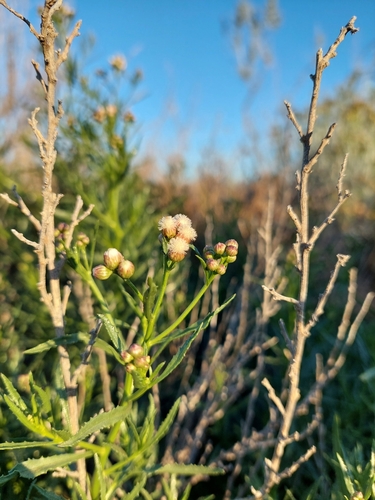
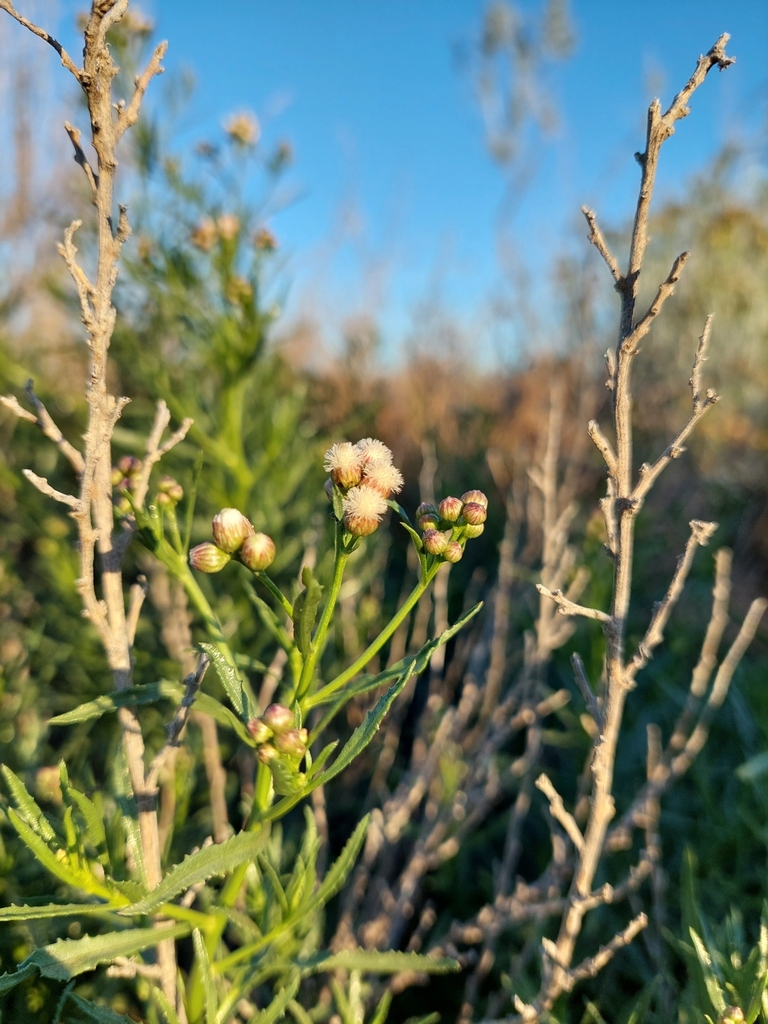
—observations
—countries
—peak records
Least ConcernConservation statusIUCN Red List categoriesLCNTVUENCREWEXLeast ConcernRed List categories, explained →
Diet & preyPhotoautotrophic
Predators
- Herbivorous insects
- Leaf beetles
ThreatsWetland drainage, development, and competition from non-native weeds
HabitatsCoastal salt marshes, freshwater swamps, riparian banks, and ditches
Life span10–20 years
Classification
- OrderAsterales
- FamilyAsteraceae
- GenusBaccharis
- SpeciesBaccharis glutinosa
Range data is not available yet.
Interaction riskLow
- Low
- Moderate
- High
- Very high
- Why interaction risk is low
- Safe to observe at a normal distance.
Responsible observation
- Foliage Inspection: Gently touch the upper leaves to notice the characteristic sticky, glutinous resin that coats new growth.
- Bloom Timing: Visit in late summer to autumn to catch dense clusters of nectar-seeking native bees and butterflies.
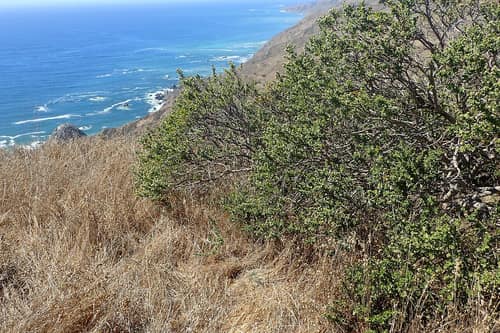
Same Genus Krzysztof Ziarnek, Kenraiz / CC BY-SA 4.0 · cc-by-sa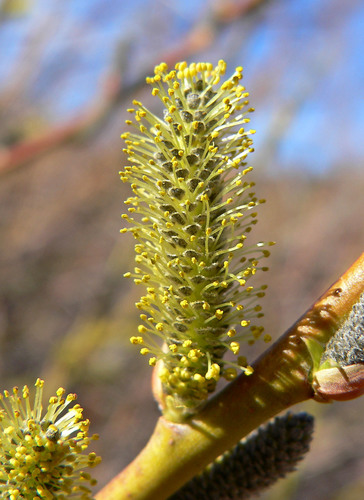
Riparian Neighbor (c) Stan Shebs, some rights reserved (CC BY-SA) · cc-by-sa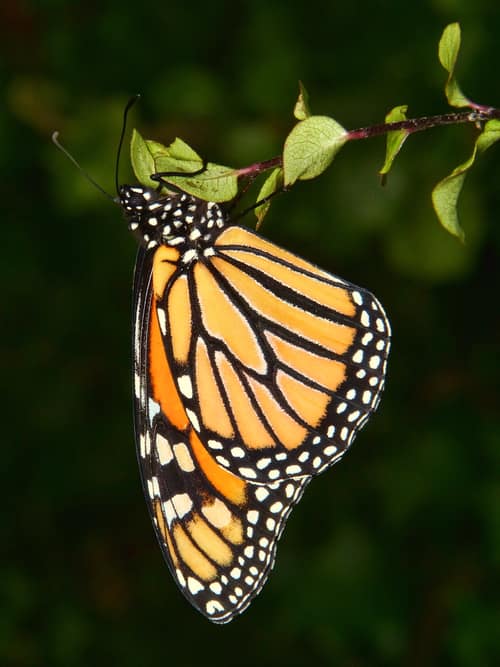
Pollinator Sid Mosdell from New Zealand / CC BY 2.0 · cc-by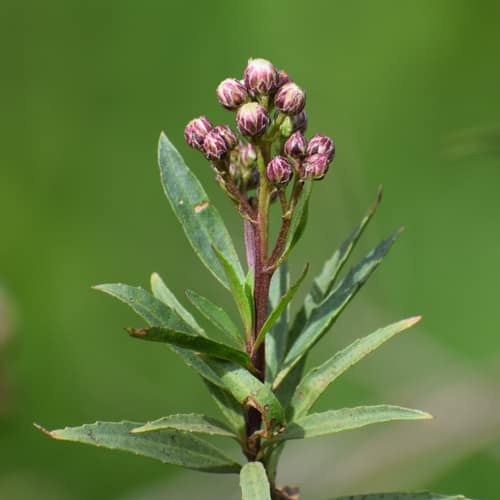
Close Relative no rights reserved, uploaded by Anne Parsons · cc0
Help improve the field guideSomething wrong?
Checking your Fauna account…Report a name, category, or profile issue for review.