
Plant · GBIF taxon 8168485
Saskatoon
Amelanchier alnifoliaAlso known as Pacific Serviceberry, Western Serviceberry, Western Shadbush, Western Juneberry
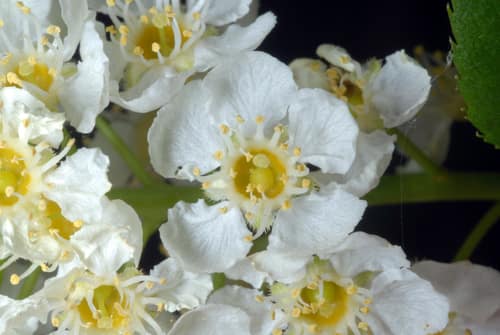
Saskatoon is a tough, cold-tolerant shrub native to northwestern North America, forming dense thickets across prairie coulees, open woodlands, and mountain slopes. In early spring, dense clusters of star-like white blossoms emerge before or alongside the rounded, finely-toothed leaves. The deep purple pomes ripen in midsummer, providing a vital nutrient source for songbirds, bears, and small mammals that disperse seeds across the landscape.
NativeFloweringDeciduous
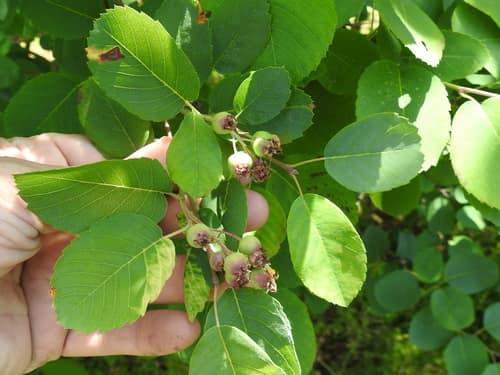
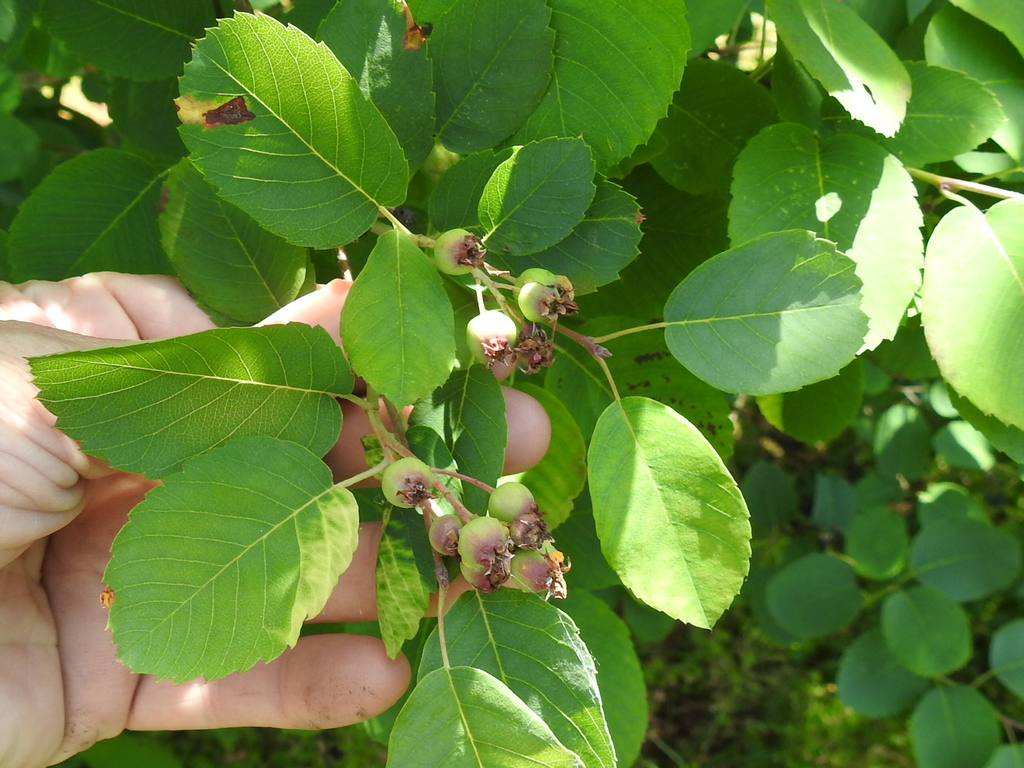 1 / 7
1 / 7—observations
—countries
—peak records
Least ConcernConservation statusIUCN Red List categoriesLCNTVUENCREWEXLeast ConcernRed List categories, explained →
Diet & prey
- Sunlight
- Water
- Soil Nutrients
Predators
- Mule Deer
- Black Bear
- Cedar Waxwing
ThreatsHabitat conversion, extreme drought, invasive weed competition
HabitatsPrairie coulees, forest edges, rocky slopes, riparian zones
Life span30–60 years
Size / weightNot available
Classification
- OrderRosales
- FamilyRosaceae
- GenusAmelanchier
- SpeciesAmelanchier alnifolia
Range data is not available yet.
Interaction riskLow
- Low
- Moderate
- High
- Very high
- Why interaction risk is low
- Wild berries have toxic look-alikes; never eat wild fruit based on app identification alone.
Responsible observation
- Spring Identification: Look for massed five-petaled white flowers blooming in early spring before leaves fully expand.
- Spotting Wildlife: Visit thickets during summer mornings to observe songbirds feeding on the dark purple fruit.
- Winter Distinctions: Examine dormant twigs for reddish-purple buds and smooth gray bark with subtle dark lines.
Frequent Companion (c) Douglas Goldman, some rights reserved (CC BY-SA), uploaded by Douglas Goldman · cc-by-sa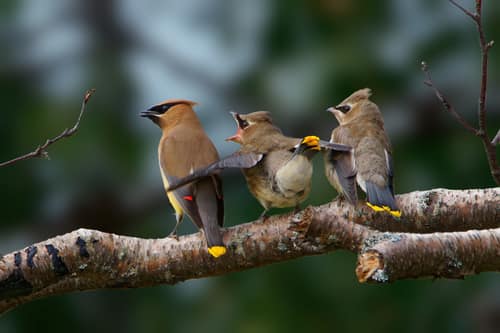
Seed Disperser (c) Christian Back, some rights reserved (CC BY), uploaded by Christian Back · cc-by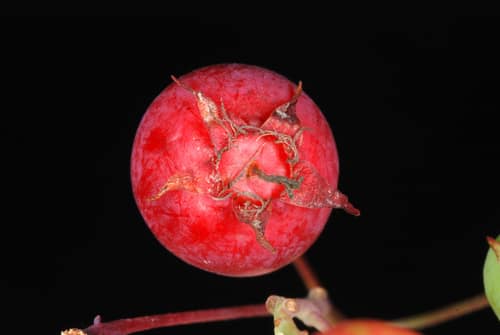
Close Relative (c) Douglas Goldman, some rights reserved (CC BY-SA), uploaded by Douglas Goldman · cc-by-sa
Help improve the field guideSomething wrong?
Checking your Fauna account…Report a name, category, or profile issue for review.