
Fungus · GBIF taxon 8130763
Turbinellus kauffmanii
Turbinellus kauffmaniiAlso known as Kauffman's Turbinellus, Kauffman's Gomphus, Scaly Vase Chanterelle
Scaly vase false chanterelles emerge from the damp forest floor of western North America, forming substantial vase-shaped fruiting bodies with prominent, coarse scales across their hollow centers. They form ectomycorrhizal partnerships with mature conifers, trading soil minerals and moisture for photosynthetic sugars produced by their host trees. Unlike true chanterelles, their undersides display blunt, wrinkled ridges that repeatedly fork and cross-vein down the stalk.
FungusForest DwellerMycorrhizal
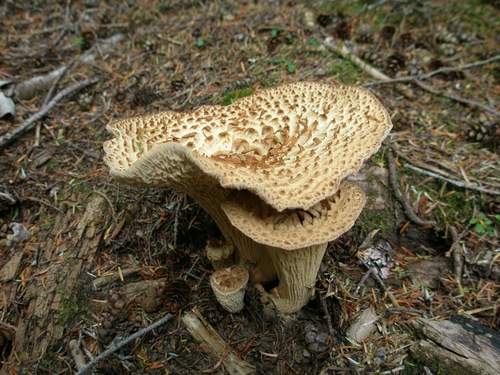
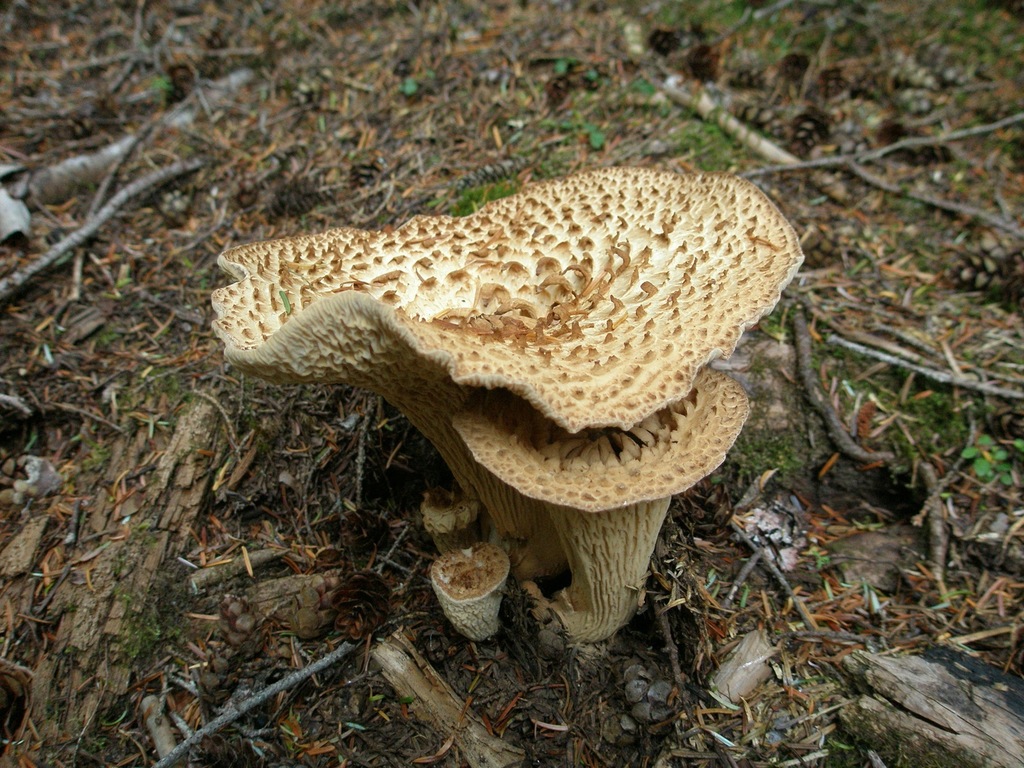
—observations
—countries
—peak records
Not EvaluatedConservation statusIUCN Red List categoriesLCNTVUENCREWEXNot Evaluated — not placed on the risk ladderRed List categories, explained →
Diet & prey
- Absorptive heterotroph (ectomycorrhizal)
Predators
- Fungus gnat larvae
- Slugs
- Forest rodents
ThreatsHabitat loss from clear-cutting and soil compaction
HabitatsConiferous and mixed temperate rainforests
Life spanFruiting bodies last 1–3 weeks; mycelium persists for decades
Classification
- OrderGomphales
- FamilyGomphaceae
- GenusTurbinellus
- SpeciesTurbinellus kauffmanii
Range data is not available yet.
Interaction riskHigh
- Low
- Moderate
- High
- Very high
- Why interaction risk is high
- Causes gastrointestinal illness. Many edible mushrooms have toxic look-alikes; never eat wild fungi based on app identification alone.
- Why it is dangerous
- Contains norcaperatic acid, which acts as a severe gastrointestinal irritant causing bouts of vomiting, cramps, and diarrhea.
- How to recognize a risky encounter
- Look for a deeply hollow, vase-shaped cap adorned with coarse tan-to-brown scales and blunt ridges below.
- What to do
- Observe and photograph freely, but do not consume any part of the mushroom.
Responsible observation
- Field examination: Inspect the underside to verify shallow, blunt ridges rather than blade-like gills.
- Habitat clues: Search near mature western hemlock and fir stands during autumn rains.
- Leave in place: Allow mature caps to release their spores into the moss layer.
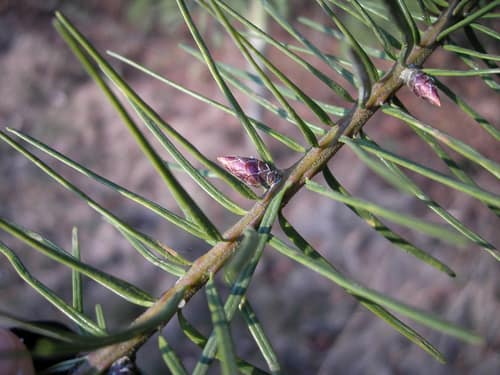
Host Plant (c) Danny Steaven, some rights reserved (CC BY-SA) · cc-by-sa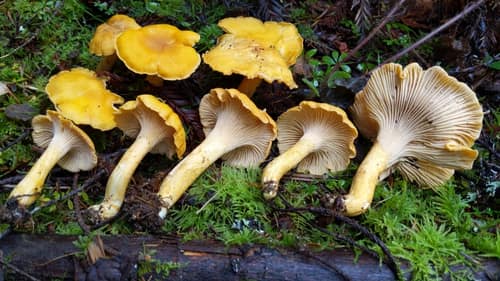
Look-alike (c) Alan Rockefeller, some rights reserved (CC BY), uploaded by Alan Rockefeller · cc-by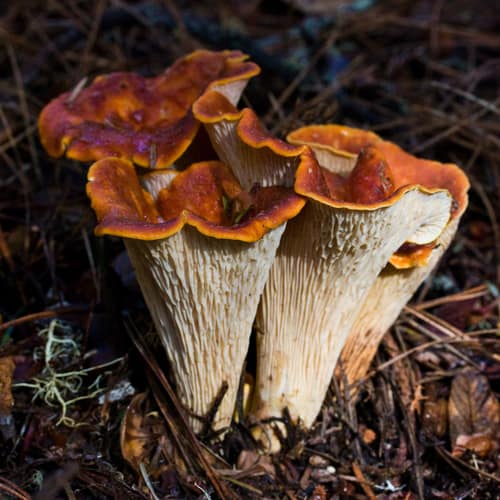
Close Relative (c) Ken-ichi Ueda, some rights reserved (CC BY) · cc-by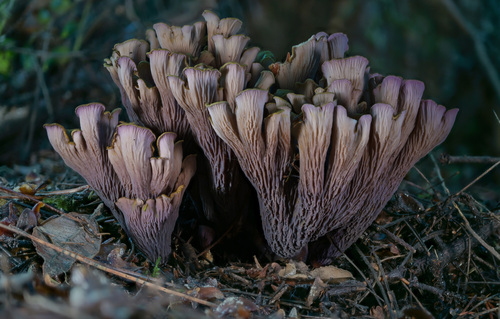
Same Family (c) Alan Rockefeller, some rights reserved (CC BY), uploaded by Alan Rockefeller · cc-by
Help improve the field guideSomething wrong?
Checking your Fauna account…Report a name, category, or profile issue for review.