
Mammal · GBIF taxon 8102496
Cascade Golden-mantled Ground Squirrel
Callospermophilus saturatusAlso known as Cascade Ground Squirrel, Cascade Golden-Mantled Squirrel
Cascade golden-mantled ground squirrels spend their short high-elevation summers foraging voraciously on seeds, fungi, and foliage to build heavy fat reserves for up to eight months of deep winter hibernation. Often mistaken for chipmunks, they lack facial stripes and display bold copper-orange shoulders that contrast sharply with twin white stripes along their back. Their extensive underground burrow networks anchor mountain meadow ecosystems by aerating soil and providing shelter for other alpine organisms.
MammalMontaneDiurnal
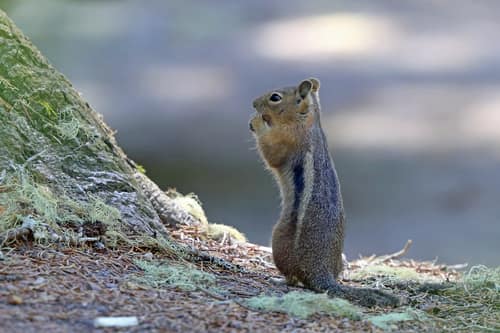
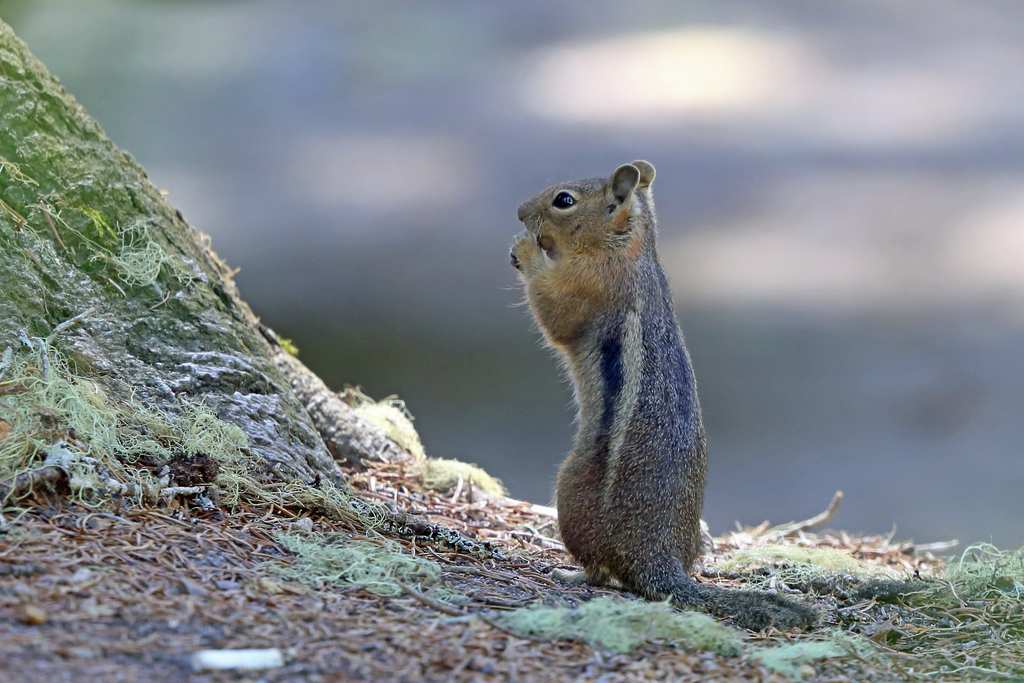
—observations
—countries
—peak records
Least ConcernConservation statusIUCN Red List categoriesLCNTVUENCREWEXLeast ConcernRed List categories, explained →
Diet & prey
- Conifer seeds
- Truffles and fungi
- Alpine vegetation
Predators
- Red-tailed Hawk
- Coyote
- Long-tailed Weasel
ThreatsClimate change, alpine habitat loss, human disturbance
HabitatsSubalpine forests, alpine meadows, rocky talus slopes
Life span4–7 years
Size / weightNot available
Classification
- FamilySciuridae
- SpeciesCallospermophilus saturatus
Native
Interaction riskLow
- Low
- Moderate
- High
- Very high
- Why interaction risk is low
- May bite or scratch if cornered or handled; observe from a safe distance.
- Why it is dangerous
- Possesses sharp incisors and claws that can inflict painful puncture wounds or transmit bacteria if handled or cornered.
- How to recognize a risky encounter
- Identified by a copper-orange mantle and striped back, combined with a plain face free of facial stripes.
- What to do
- Maintain a respectful distance and never attempt to hand-feed, touch, or corner individuals.
Responsible observation
- Subalpine Spots: Look for individuals perching on rocks or logs near high-elevation clearings.
- Feeding Caution: Avoid offering human food, which disrupts natural foraging and causes habituation.
- Burrow Safety: Step carefully around rock piles and fallen logs where entrance holes are hidden.
 Image unavailable
Competitor 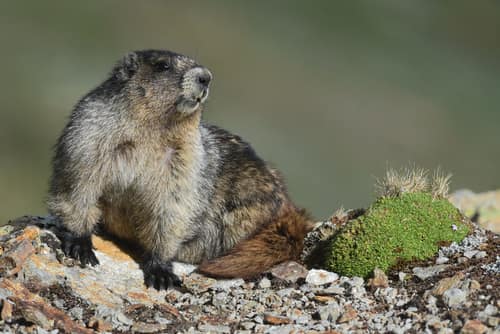
Frequent Companion no rights reserved, uploaded by Braden J. Judson · cc0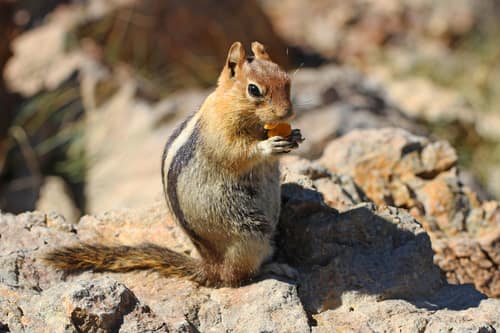
Close Relative (c) Judy Gallagher, some rights reserved (CC BY-SA), uploaded by Judy Gallagher · cc-by-sa
Help improve the field guideSomething wrong?
Checking your Fauna account…Report a name, category, or profile issue for review.