
Bird · GBIF taxon 8069880
Gyrfalcon
Falco rusticolusAlso known as Gyr, Arctic Falcon, White Falcon
Gyrfalcons dominate the Arctic as the largest falcon species on Earth, hunting ptarmigans and waterfowl with powerful, sustained pursuit flights across freezing tundra and rugged sea cliffs. Their striking plumage ranges from pristine snowy white in the high northern islands to deep charcoal grey in subarctic regions. Females build no nests of their own, instead taking over stick nests built by ravens or laying eggs directly on bare cliff ledges.
DiurnalPredatorArctic
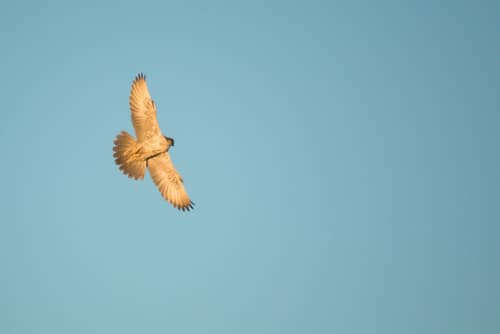
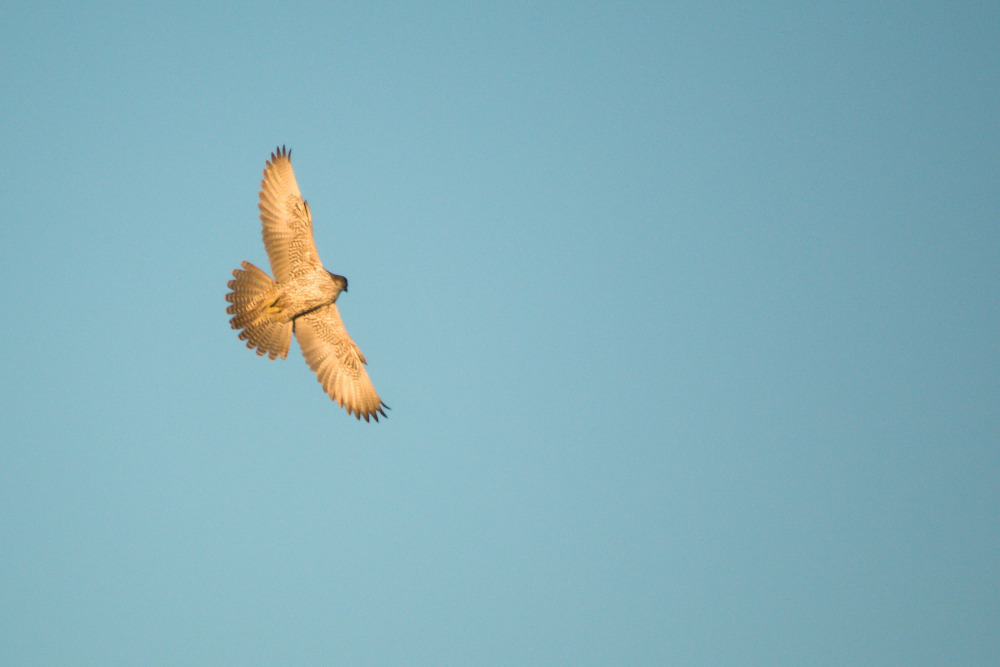
—observations
—countries
—peak records
Least ConcernConservation statusIUCN Red List categoriesLCNTVUENCREWEXLeast ConcernRed List categories, explained →
Diet & prey
- Rock Ptarmigan
- Willow Ptarmigan
- Arctic Hare
Predators
- Golden Eagle
- Raven
- Arctic Fox
ThreatsClimate change, illegal falconry trade, nest disturbance
HabitatsArctic tundra, coastal cliffs, alpine meadows
Life span12–20 years
Size / weightNot available
Classification
- FamilyFalconidae
- SpeciesFalco rusticolus
Range data is not available yet.
Interaction riskLow
- Low
- Moderate
- High
- Very high
- Why interaction risk is low
- Raptors possess powerful talons and sharp beaks; keep a respectful distance and never approach nests.
- What to notice
- Recognizable by their massive size, broad wings, short tail, and plumage ranging from white to dark slate.
- Support conservation
- Maintain a long observation distance near cliff faces and avoid publishing precise nesting locations.
Responsible observation
- Observe from afar: Use a high powered spotting scope or telephoto lens to view cliff nests safely.
- Respect nesting seasons: Avoid approaching active breeding cliffs between April and July.
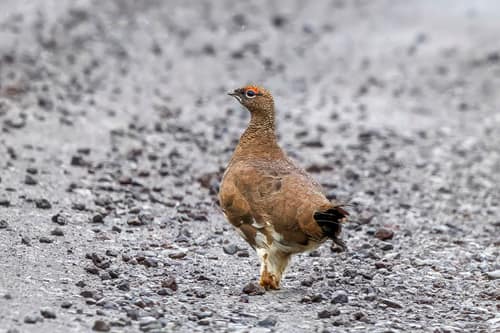
Prey Charles J. Sharp / CC BY-SA 4.0 · cc-by-sa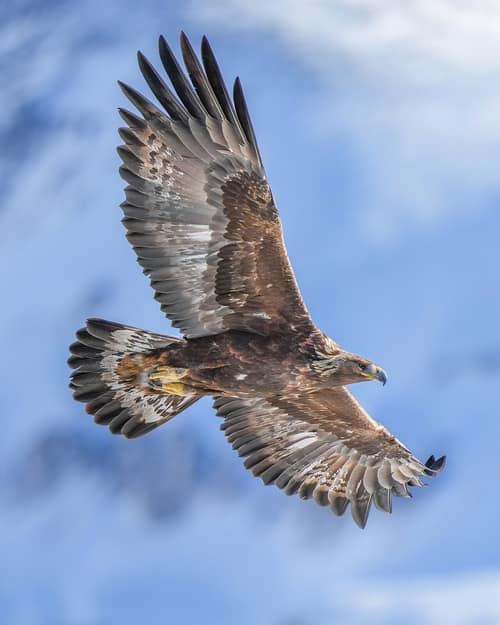
Competitor Giles Laurent / CC BY-SA 4.0 · cc-by-sa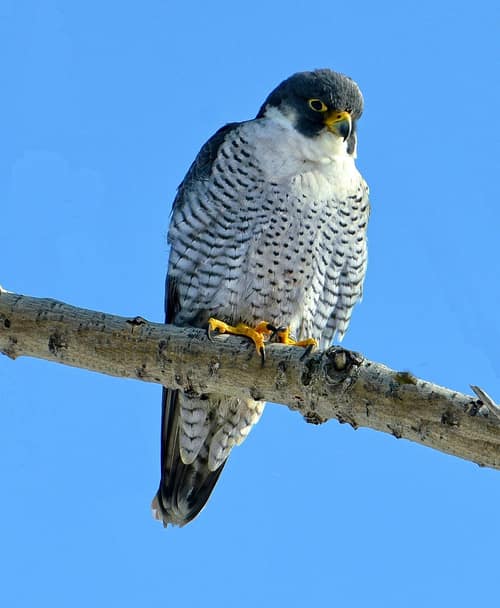
Close Relative Mykola Swarnyk / CC BY-SA 3.0 · cc-by-sa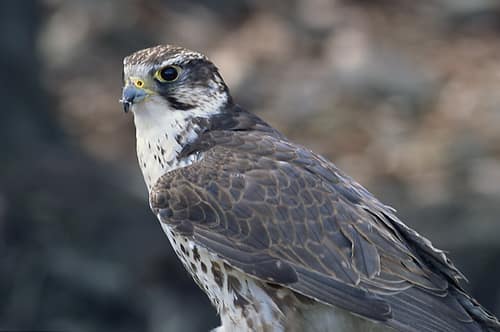
Close Relative Marek Szczepanek / CC BY-SA 3.0 · cc-by-sa
Help improve the field guideSomething wrong?
Checking your Fauna account…Report a name, category, or profile issue for review.