
Plant
Katsura Tree
Cercidiphyllum japonicumAlso known as Caramel Tree, Candyfloss Tree, Japanese Katsura
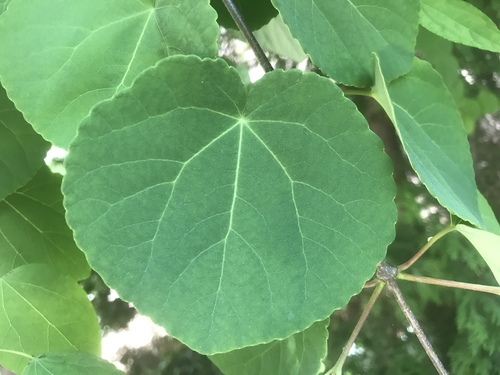
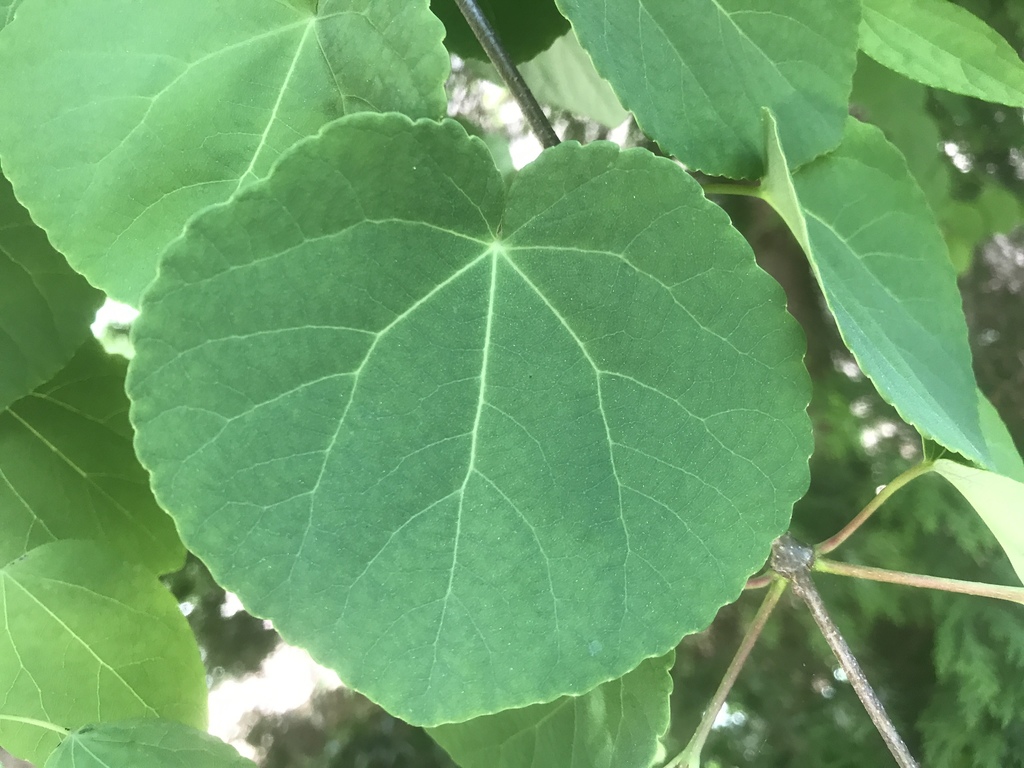
Katsura trees dominate Asian mountain valleys with heart-shaped leaves that emerge bronze in spring, turn rich green in summer, and shift to bright golden-orange in autumn. As autumn leaves prepare to fall, they release a distinct, sweet fragrance resembling burnt sugar or warm caramel. This ancient deciduous hardwood often forms multiple massive trunks near its base, creating a spreading canopy in rich, moist soils.
DeciduousFragrantOrnamental
—observations
—countries
—peak records
Least ConcernConservation statusIUCN Red List categoriesLCNTVUENCREWEXLeast ConcernRed List categories, explained →
Diet & preyAutotrophic (Photosynthesis)
Predators
- Deer
- Caterpillars
ThreatsForest clearing, localized habitat degradation
HabitatsTemperate valleys, mountain streamsides, rich deciduous forests
Life span100–300 years
Classification
- OrderSaxifragales
- FamilyCercidiphyllaceae
- GenusCercidiphyllum
- SpeciesCercidiphyllum japonicum
Range data is not available yet.
Interaction riskLow
- Low
- Moderate
- High
- Very high
- Why interaction risk is low
- Safe to observe at a normal distance.
Responsible observation
- Autumn Scent: Visit during late September or October to smell the distinct caramel scent of falling leaves.
- Soil Requirements: Look for healthy specimens planted in rich, moist, acidic soil protected from harsh winds.
- Leaf Structure: Notice the neat, scalloped heart-shaped leaves arranged in opposing pairs along slender twigs.
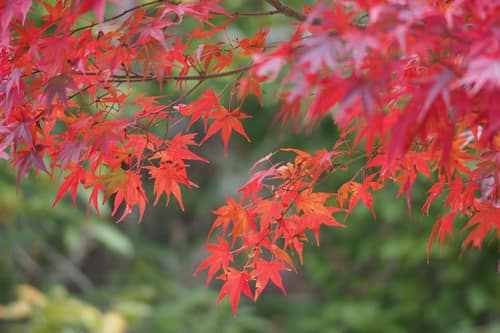
Frequent Companion (c) harum.koh, some rights reserved (CC BY-SA), uploaded by harum.koh · cc-by-sa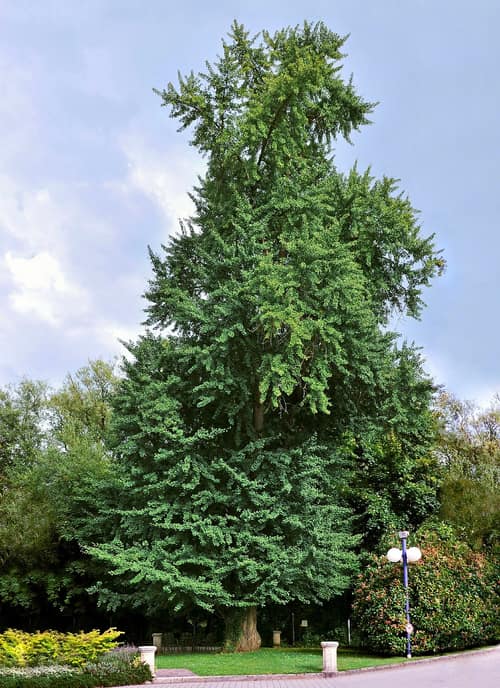
Frequent Companion EecherplazGinkgo06.jpg: Cayambe derivative work: Ginkgotree (talk) / CC BY-SA 3.0 · cc-by-sa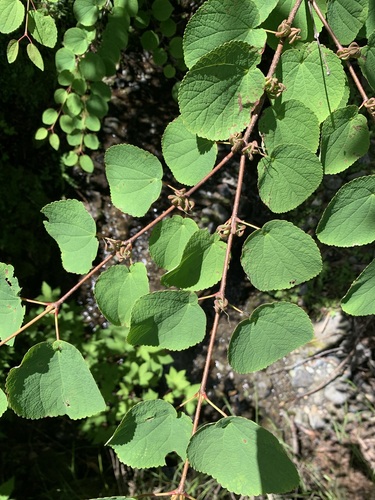
Close Relative (c) 岸本年郎, some rights reserved (CC BY), uploaded by 岸本年郎 · cc-by
Help improve the field guideSomething wrong?
Checking your Fauna account…Report a name, category, or profile issue for review.