
Fungus
Ruby Bolete
Hortiboletus rubellusAlso known as Red Bolete
Ruby boletes feature a crimson-to-ruby red cap paired with vibrant yellow sponge-like pores beneath. When the flesh is bruised or cut, it undergoes a slow chemical reaction that turns light blue. These dainty fungi form underground mycorrhizal relationships with broadleaf trees, popping up on mossy woodland floors and park lawns during late summer and autumn.
FungiForest FloorColorful
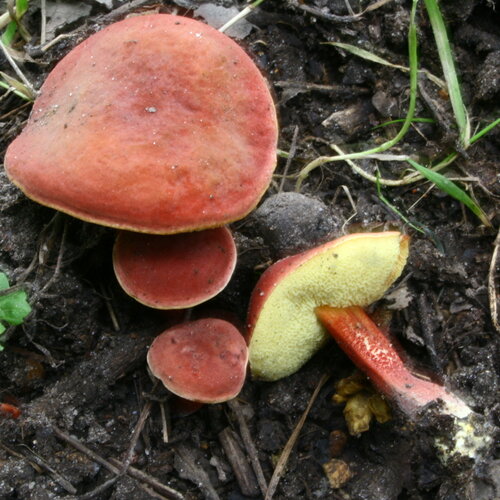
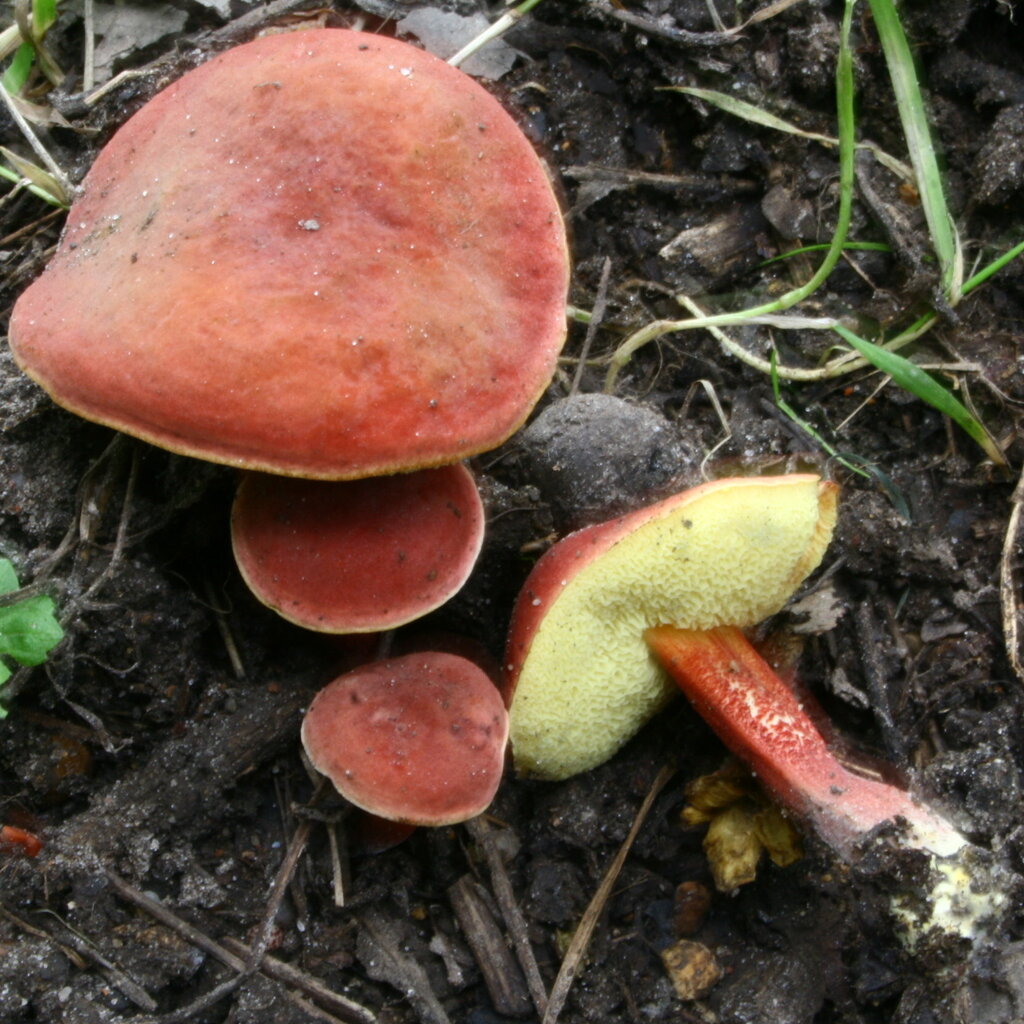
—observations
—countries
—peak records
Least ConcernConservation statusIUCN Red List categoriesLCNTVUENCREWEXLeast ConcernRed List categories, explained →
Diet & preyMycorrhizal
Predators
- Fungus gnats
- Slugs
- Squirrels
ThreatsHabitat loss, soil compaction, clear-cutting of host trees
HabitatsDeciduous woodlands, parks, grassy woodland margins
Life spanPerennial mycelium; fruiting bodies persist 1–2 weeks
Classification
- OrderBoletales
- FamilyBoletaceae
- GenusHortiboletus
- SpeciesHortiboletus rubellus
Range data is not available yet.
Interaction riskLow
- Low
- Moderate
- High
- Very high
- Why interaction risk is low
- Many wild mushrooms have toxic look-alikes; never eat wild fungi based on app identification alone.
Responsible observation
- Observe Cap Features: Check for a velvety red cap and yellow sponge-like pores underneath.
- Note Color Reactions: Gently slice or press the flesh to watch for a subtle blue staining.
- Check Host Trees: Look near oaks, beeches, and lime trees in grassy woodland margins.
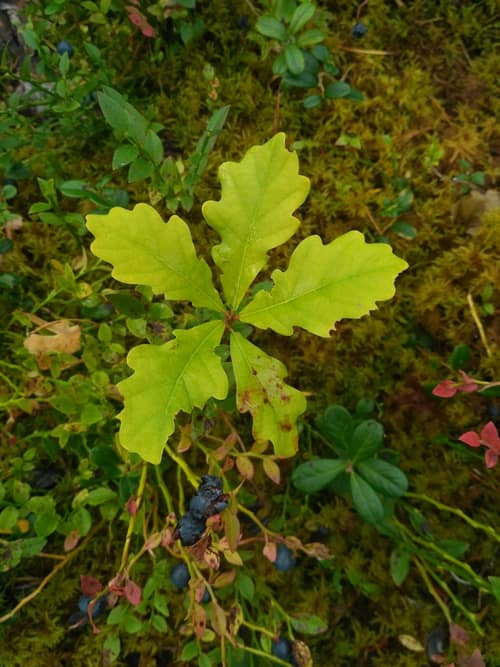
Host Tree (c) Natalya Ivanova, some rights reserved (CC BY) · cc-by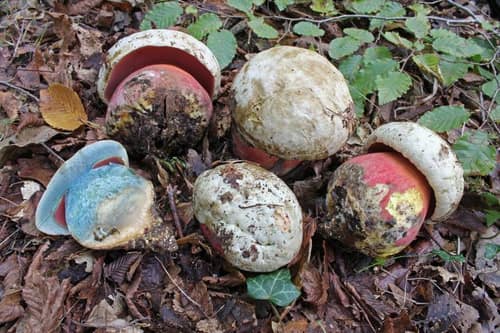
Toxic Look-Alike (c) Davide Puddu, some rights reserved (CC BY), uploaded by Davide Puddu · cc-by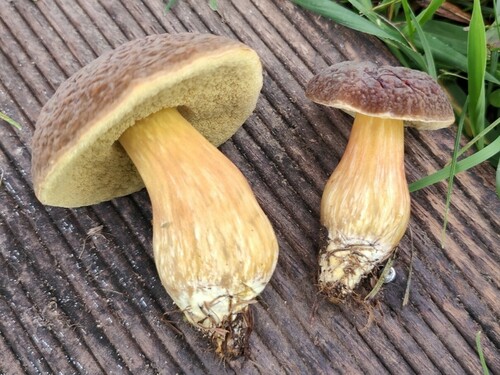
Close Relative (c) Davide Puddu, some rights reserved (CC BY) · cc-by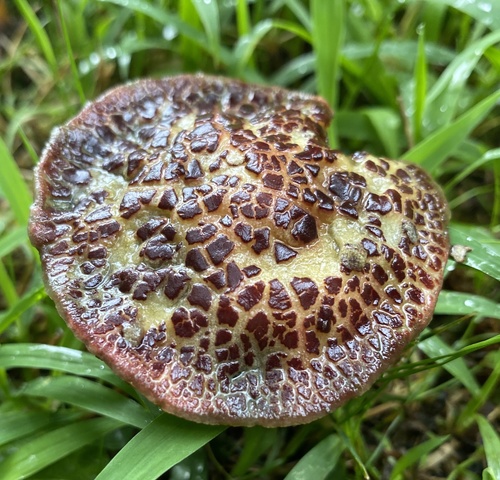
Close Relative (c) Dani Holmes, some rights reserved (CC BY) · cc-by
Keep collecting in Fauna
Found in Collections
Species set Pro
Fungi Forager
Ruby Bolete is found in this collection. Identify it in Fauna to fill this slot and continue your progress.
Unlock to track progress
Help improve the field guideSomething wrong?
Checking your Fauna account…Report a name, category, or profile issue for review.