
Flower
Barberton Daisy
Gerbera jamesoniiAlso known as Transvaal Daisy, Barbertonse Madeliefie, Rooigousblom
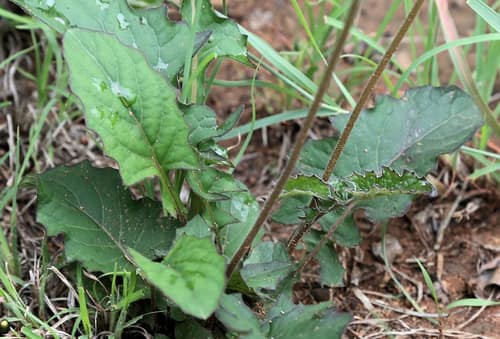
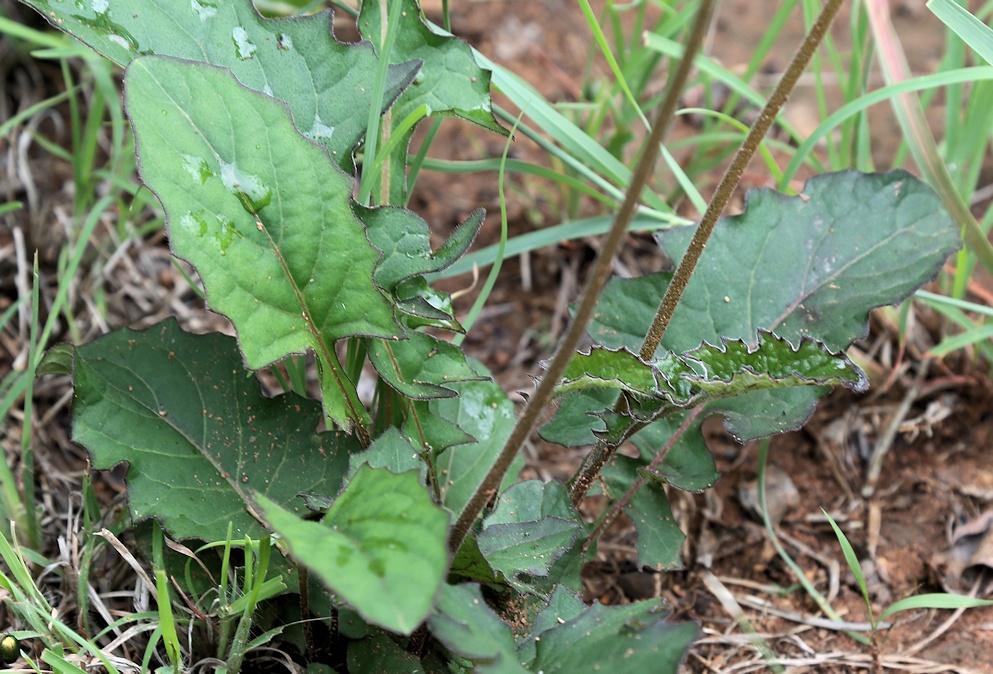
Barberton daisies produce striking, ray-like flower heads on long, leafless scapes above deeply lobed, hairy basal foliage. Native to the rocky grasslands and mistbelts of southeastern Africa, these perennials attract butterflies and bees with abundant nectar and pollen. Widely cultivated globally as ornamental cut flowers and garden plants, wild populations still thrive on sun-exposed slopes in Mpumalanga.
FloweringOrnamentalPerennial
—observations
—countries
—peak records
Not EvaluatedConservation statusIUCN Red List categoriesLCNTVUENCREWEXNot Evaluated — not placed on the risk ladderRed List categories, explained →
Diet & preySunlight, Water, Soil minerals
Predators
- Spider mites
- Aphids
- Thrips
ThreatsHabitat loss from agriculture and urban expansion
HabitatsRocky grasslands, bushveld, savanna woodland
Life span3–5 years (cultivated); longer in native wild habitats
Classification
- OrderAsterales
- FamilyAsteraceae
- GenusGerbera
- SpeciesGerbera jamesonii
Range data is not available yet.
Interaction riskLow
- Low
- Moderate
- High
- Very high
- Why interaction risk is low
- Safe to observe and grow at home; non-toxic to common domestic pets.
Responsible observation
- Sunlight: Plant in full sun with well-draining soil to prevent root rot.
- Observation: Look for solitary flower heads rising on long leafless stems above a basal rosette.
- Deadheading: Remove spent flower stalks near the base to encourage continuous blooming.
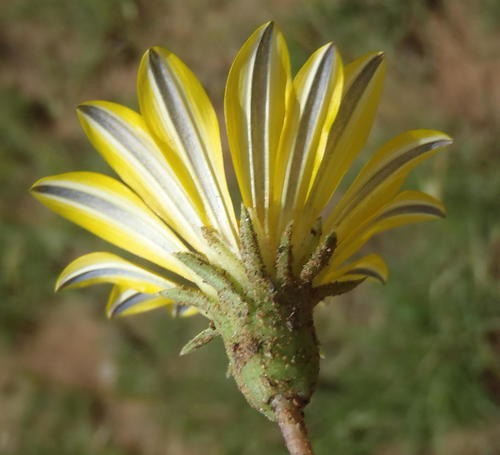
Frequent Companion (c) Nicola van Berkel, some rights reserved (CC BY-SA), uploaded by Nicola van Berkel · cc-by-sa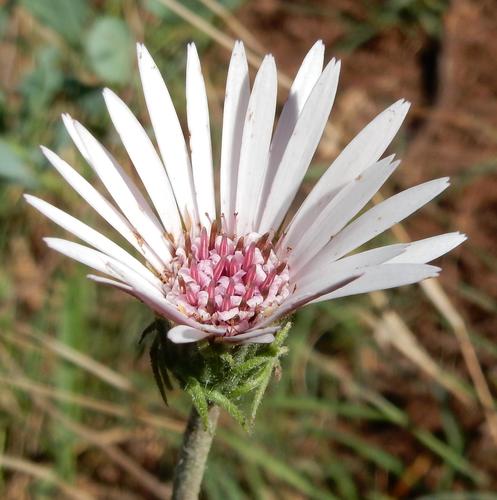
Close Relative (c) Henry de Lange, some rights reserved (CC BY) · cc-by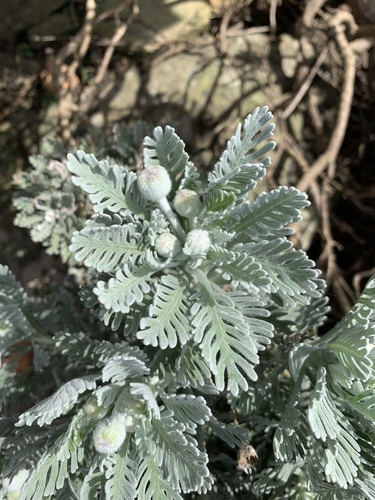
Close Relative (c) Matthew Fainman, some rights reserved (CC BY), uploaded by Matthew Fainman · cc-by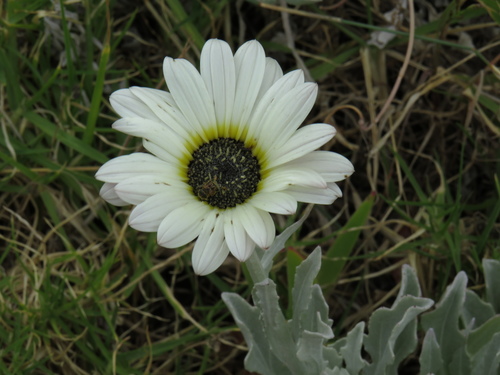
Close Relative (c) Jeremy Gilmore, some rights reserved (CC BY) · cc-by
Help improve the field guideSomething wrong?
Checking your Fauna account…Report a name, category, or profile issue for review.