
Plant
Blushing Gerbera
Gerbera viridifoliaAlso known as White Barberton Daisy, Grassland Gerbera
Blushing gerberas thrive across montane grasslands and rocky slopes throughout eastern and southern Africa, resprouting reliably from stout woody rootstocks after seasonal veld fires. Solitary flower heads emerge on slender, leafless stalks, displaying ray petals that are crisp white or cream on top with a distinct copper-pink or purplish wash on their undersides. These sensitive blooms track the sun and close tightly in overcast weather or cold nights to safeguard their central disc florets from dampness.
WildflowerPerennialFire-Adapted
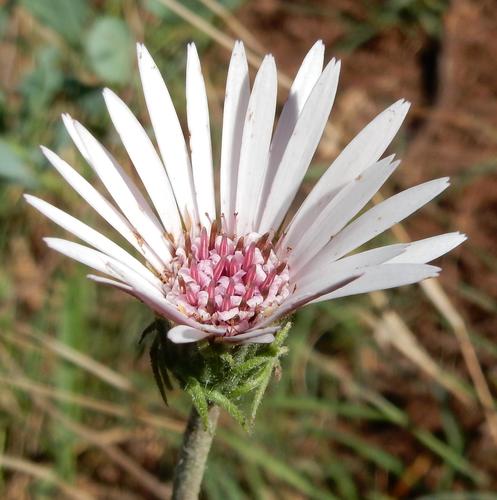
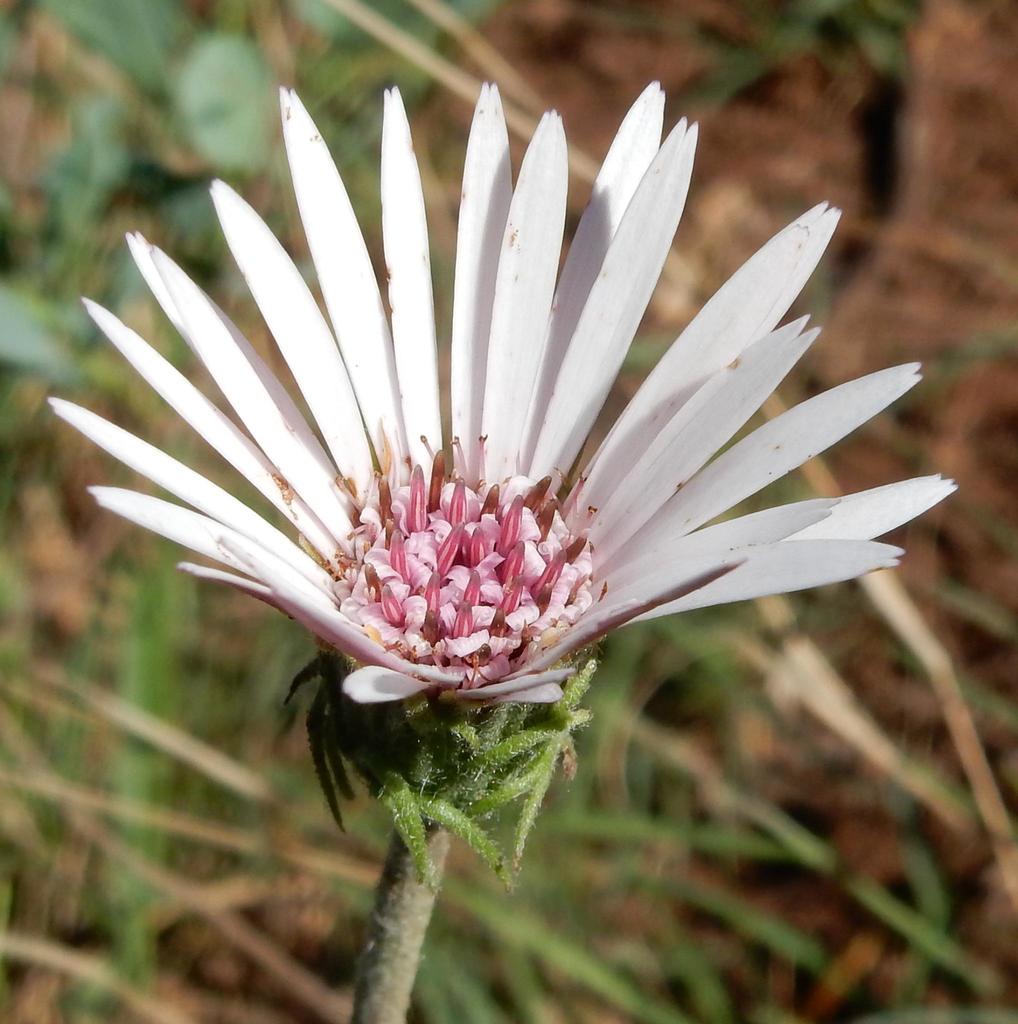
—observations
—countries
—peak records
Least ConcernConservation statusIUCN Red List categoriesLCNTVUENCREWEXLeast ConcernRed List categories, explained →
Diet & preyAutotrophic (photosynthetic)
Predators
- Browsing antelopes
- Caterpillars
- Grasshoppers
ThreatsHabitat loss from agriculture, urban sprawl, invasive alien vegetation
HabitatsMontane grasslands, rocky slopes, open savanna woodlands
Life spanPerennial (decades via persistent woody rootstock)
Classification
- FamilyAsteraceae
- SpeciesGerbera viridifolia
Range data is not available yet.
Interaction riskLow
- Low
- Moderate
- High
- Very high
- Why interaction risk is low
- Safe to observe at a normal distance.
Responsible observation
- Viewing Underparts: Gently inspect the reverse of the petals to see the characteristic rosy-copper blushing.
- Timing Visits: Search grassland reserves in spring and early summer, especially weeks after a controlled burn.
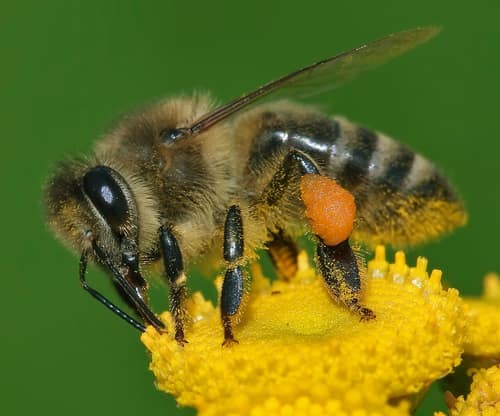
Pollinator Andreas Trepte / CC BY-SA 2.5 · cc-by-sa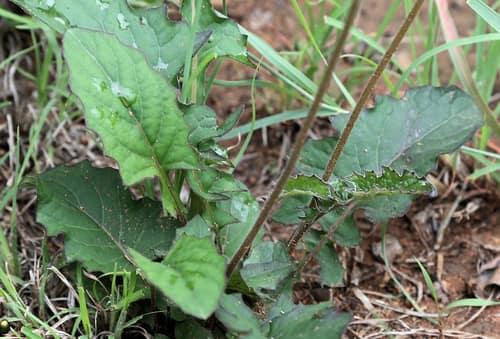
Close Relative (c) Wynand Uys, some rights reserved (CC BY), uploaded by Wynand Uys · cc-by
Help improve the field guideSomething wrong?
Checking your Fauna account…Report a name, category, or profile issue for review.