Also known as Common Nettle, Burn Nettle, Stinging Nettle, Nettle Leaf
Great stinging nettle forms expansive, clonal colonies via underground rhizomes, dominating fertile, nitrogen-rich ground across temperate zones. Hollow silica trichomes carpet the stems and serrated leaves, acting as microscopic hypodermic needles that snap on contact to inject irritants into approaching mammals. Beyond its fierce defenses, dense patches provide vital nursery habitat and exclusive foliage for the caterpillars of several nymphalid butterflies.
Life spanPerennial (rhizome networks persist for decades)
Size / weightNot available
Classification
OrderRosales
FamilyUrticaceae
GenusUrtica
SpeciesUrtica dioica
Range & activity
Range data is not available yet.
Safe observation
Interaction riskLow
Low
Moderate
High
Very high
Why interaction risk is low
Brushing against leaves or stems causes painful, burning welts; wear thick gloves when handling.
Why it is dangerous
Fragile silica hairs break on contact, releasing a cocktail of histamine, acetylcholine, and serotonin that provokes intense burning, redness, and itchy wheals.
How to recognize a risky encounter
Look for upright quadrangular stems, opposite coarsely toothed heart-shaped leaves, and a dense coating of erect, translucent hairs.
What to do
Avoid bare-skin contact and never brush against foliage without durable legwear and puncture-proof gardening gloves.
Responsible observation
Protective Clothing: Wear thick trousers, long sleeves, and puncture-resistant gloves when walking near dense stands.
First Aid: Relieve accidental stings by washing the area with soap and water or applying crushed broadleaf plantain.
Butterfly Spotting: Inspect leaf undersides during late spring to find dark, spiky butterfly caterpillars.

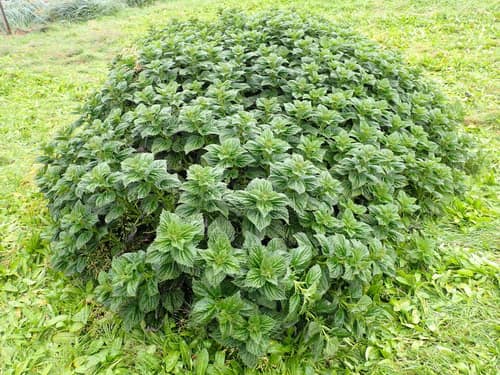
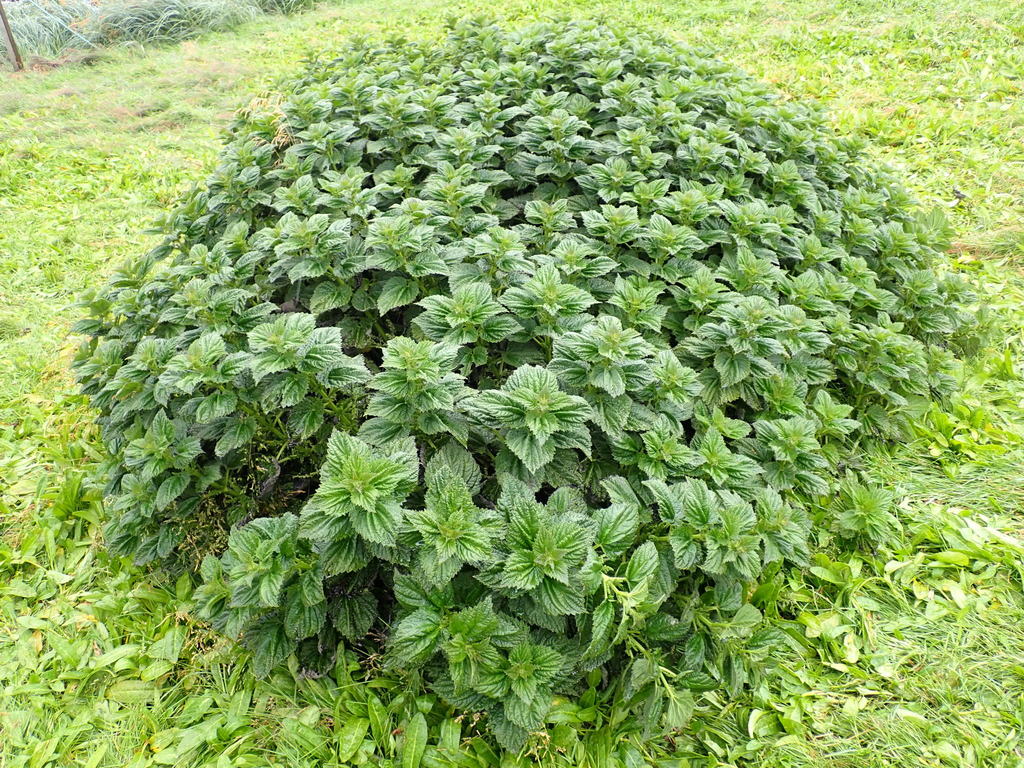
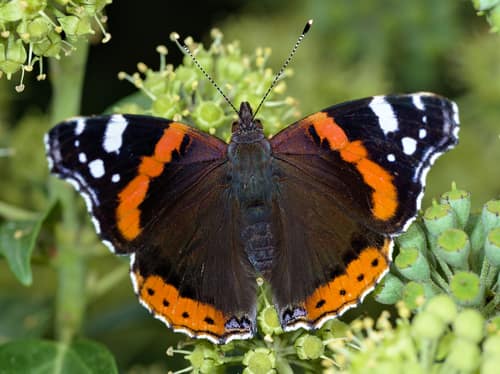
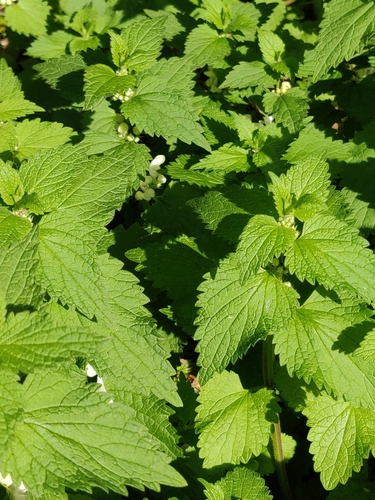
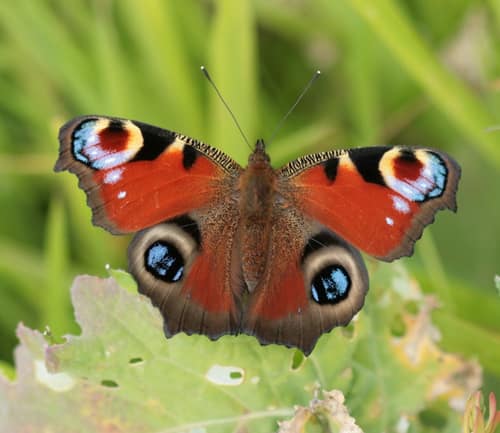
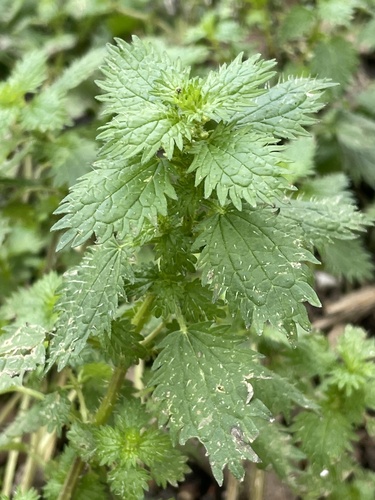
 Image unavailable