
Plant · GBIF taxon 5361801
Pellitory-of-the-wall
Parietaria judaicaAlso known as Spreading Pellitory, Asthma Weed, Lichwort, Sticky Weed
Pellitory-of-the-wall thrives in vertical crevices, old brickwork, and rocky urban habitats, anchoring itself where few other plants can survive. Its reddish stems bear hairy, oval leaves and inconspicuous greenish flowers that release vast clouds of wind-borne pollen. While recognized as a primary trigger for urban allergies in Mediterranean climates, it provides vital habitat and host foliage for specialized insects.
Urban WeedPerennialAllergen Risk
—observations
—countries
—peak records
Not EvaluatedConservation statusIUCN Red List categoriesLCNTVUENCREWEXNot Evaluated — not placed on the risk ladderRed List categories, explained →
Diet & prey
- Autotrophic (Photosynthesis)
Predators
- Red Admiral Caterpillar
- Snails
- Slugs
ThreatsHerbicides, urban wall repair, masonry repointing
HabitatsStone walls, masonry crevices, pavements, rocky slopes, waste ground
Life spanPerennial (5–10 years)
Size / weightNot available
Classification
- OrderRosales
- FamilyUrticaceae
- GenusParietaria
- SpeciesParietaria judaica
Range data is not available yet.
Interaction riskLow
- Low
- Moderate
- High
- Very high
- Why interaction risk is low
- Produces abundant airborne pollen that triggers severe hay fever and asthma; avoid close exposure if sensitive.
- Why it is dangerous
- Produces potent airborne pollen containing proteins that induce severe allergic rhinitis, conjunctivitis, and asthma.
- How to recognize a risky encounter
- Look for dense bushy mats with reddish hairy stems and tiny green flower clusters emerging from wall cracks.
- What to do
- Keep distance during peak blooming periods in warm months and do not pull plants by hand if prone to pollen allergies.
Responsible observation
- Pollen Awareness: Avoid shaking or disturbing flowering clumps between spring and autumn if sensitive to airborne allergens.
- Habitat Spotting: Look for lush bushy clumps sprouting directly out of vertical mortar joints and shady stone walls.
- Identification Detail: Check for sticky hooked hairs on stems and leaves that easily cling to clothing.
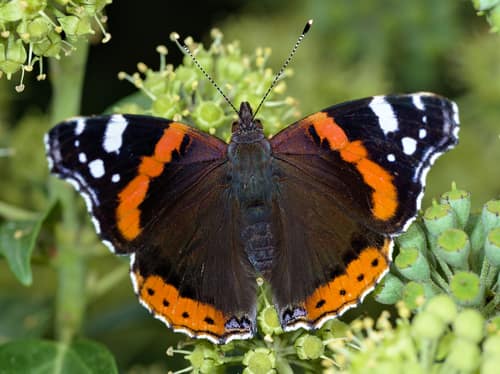
Host Insect (c) Gilles San Martin, some rights reserved (CC BY-SA), uploaded by Gilles San Martin · cc-by-sa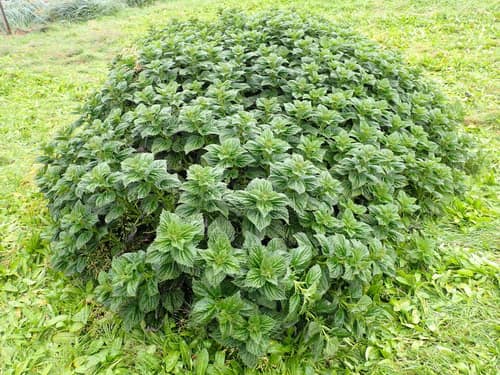
Close Relative no rights reserved, uploaded by georgiasteel · cc0 Image unavailable
Close Relative Close Relative
Help improve the field guideSomething wrong?
Checking your Fauna account…Report a name, category, or profile issue for review.