
Insect
Smooth Stag Beetle
Lucanus placidusAlso known as Placid Stag Beetle
Smooth stag beetles emerge during warm summer evenings to search for mates and feed on sweet tree sap or fermenting fruit. Males possess shorter, less elaborate mandibles than other stag beetles, featuring a smooth, dark pitch-black to reddish-brown body with a polished sheen. Their larvae play a vital ecological role by breaking down decaying roots and dead hardwood beneath the soil of deciduous forests.
NocturnalWoodlandBeetle
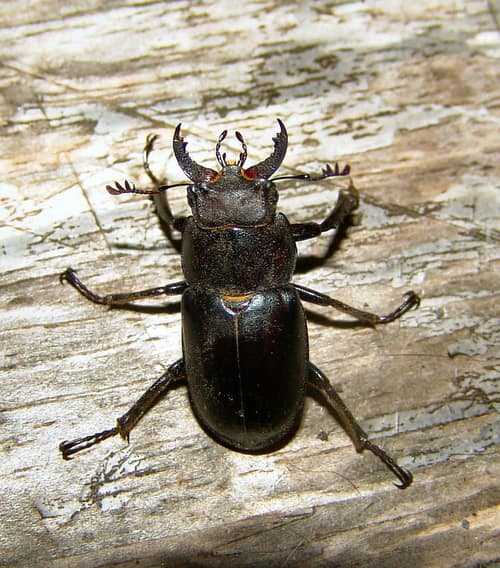
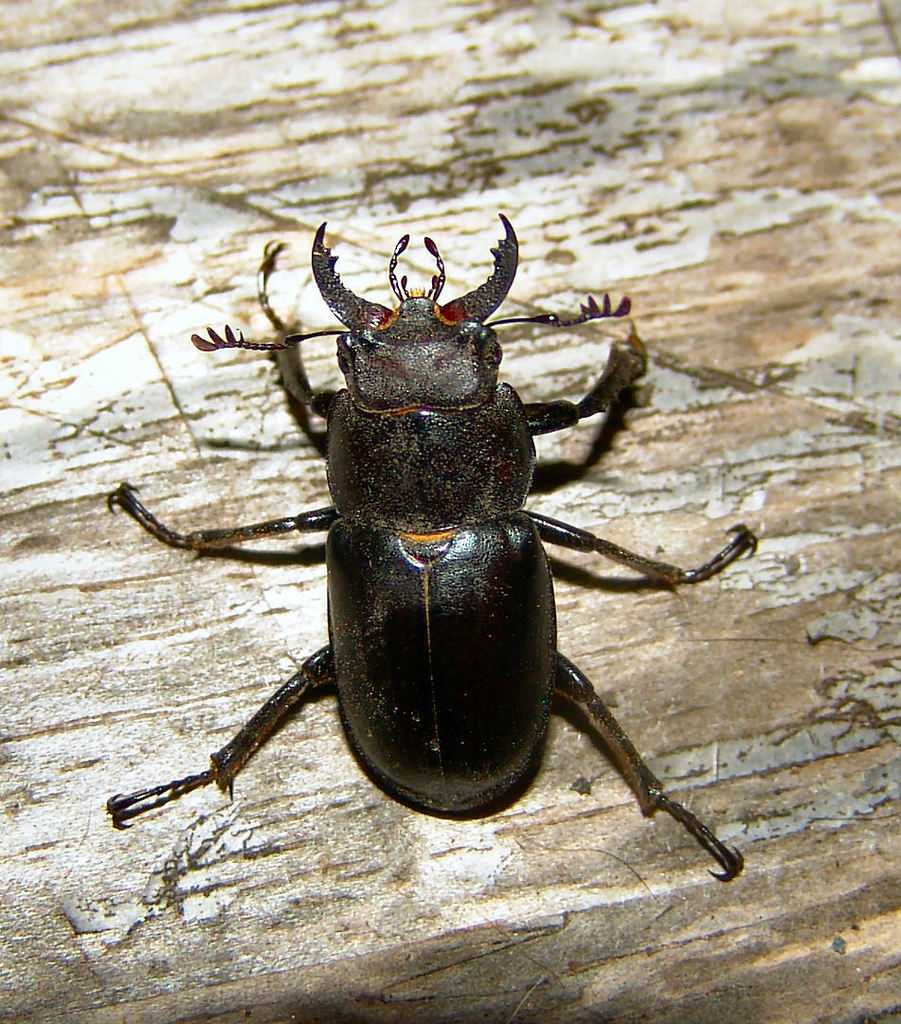
—observations
—countries
—peak records
Not EvaluatedConservation statusIUCN Red List categoriesLCNTVUENCREWEXNot Evaluated — not placed on the risk ladderRed List categories, explained →
Diet & preyTree Sap, Decaying Fruit
Predators
- Birds
- Bats
- Small Mammals
ThreatsHabitat loss, removal of decaying trees, and light pollution.
HabitatsDeciduous forests, oak savannas, sandy woodlands, and suburban yards.
Life span1–3 years (majority spent as larva; adults live a few weeks)
Classification
- FamilyLucanidae
- SpeciesLucanus placidus
Range data is not available yet.
Interaction riskLow
- Low
- Moderate
- High
- Very high
- Why interaction risk is low
- Safe to observe at a normal distance.
Responsible observation
- Nighttime Viewing: Look near outdoor porch lights or UV light traps during midsummer evenings.
- Habitat Preservation: Leave dead wood and fallen logs in place to support the larval life cycle.
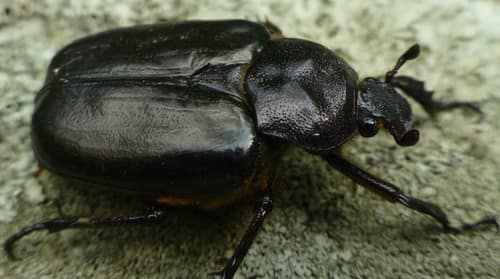
Woodland Neighbor (c) Wendy Jegla, some rights reserved (CC BY), uploaded by Wendy Jegla · cc-by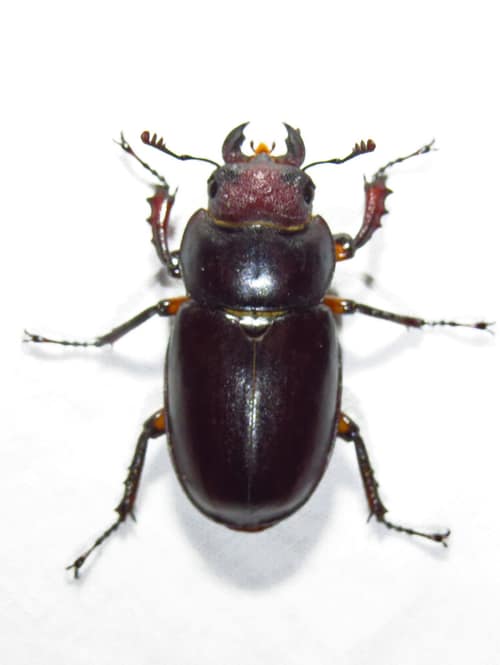
Close Relative (c) David Dodd, some rights reserved (CC BY), uploaded by David Dodd · cc-by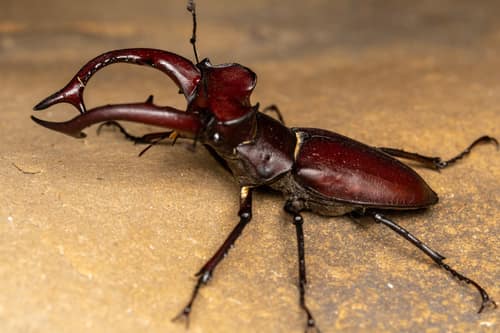
Close Relative (c) daksu, some rights reserved (CC BY) · cc-by
Help improve the field guideSomething wrong?
Checking your Fauna account…Report a name, category, or profile issue for review.