
Insect · GBIF taxon 7863078
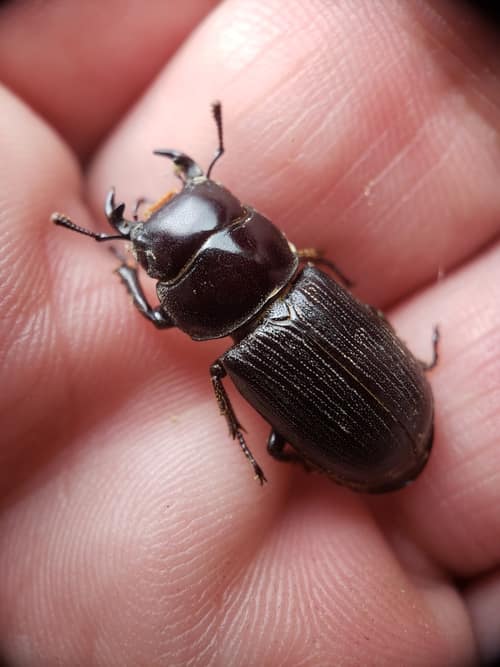
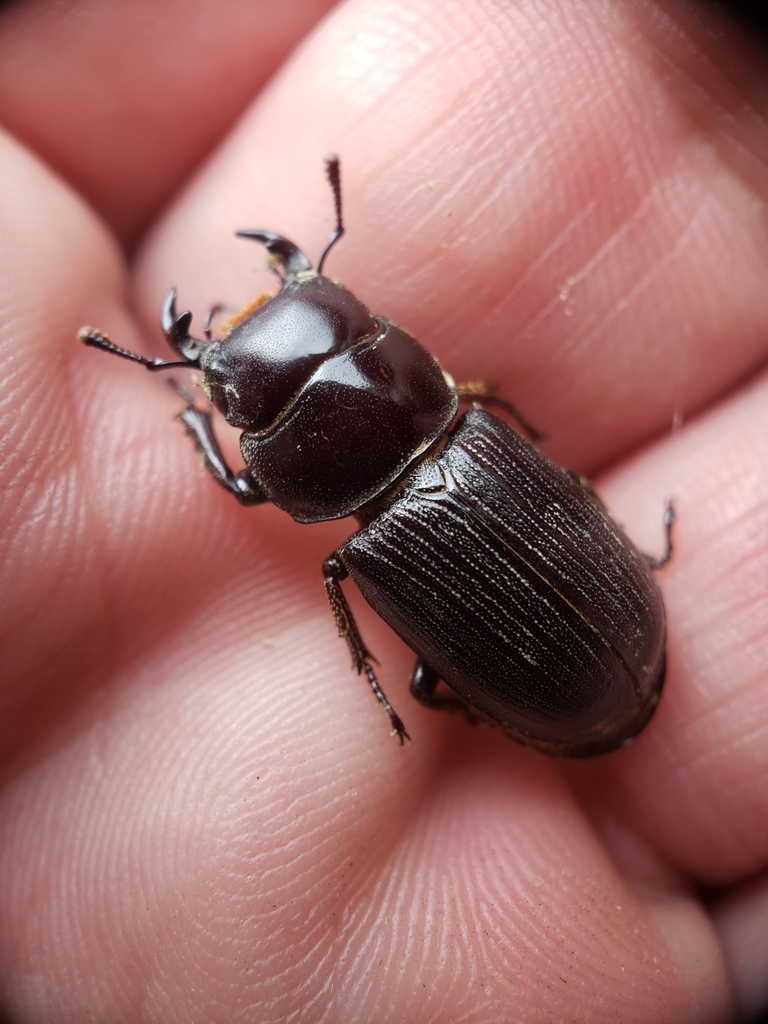
Antelope Beetle
Dorcus parallelusAlso known as Antelope Stag Beetle, Weaver Stag Beetle
Antelope stag beetles inhabit deciduous forests across eastern North America, spending most of their life cycle within decomposing hardwoods where larvae feed on decaying wood. Adults emerge in late spring and summer, using stout, hooked mandibles to compete for mates and navigate bark crevices. Both sexes are flattened and dark brown to black, a shape that helps them squeeze under loose bark and fallen timber.
WoodlandNocturnalDecomposer
 1 / 7
1 / 7—observations
—countries
—peak records
Not EvaluatedConservation statusIUCN Red List categoriesLCNTVUENCREWEXNot Evaluated — not placed on the risk ladderRed List categories, explained →
Diet & prey
- Decaying Hardwood
- Tree Sap
- Fungal Mycelium
Predators
- Woodpeckers
- Small Mammals
- Predatory Beetles
ThreatsHabitat clearing and removal of deadwood
HabitatsDeciduous and mixed forests with abundant fallen timber
Life span1–3 years
Classification
- FamilyLucanidae
- SpeciesDorcus parallelus
Range data is not available yet.
Interaction riskLow
- Low
- Moderate
- High
- Very high
- Why interaction risk is low
- Adults can give a strong pinch with their mandibles if squeezed; handle gently or observe from a short distance.
Responsible observation
- Spotting at Night: Look around tree trunks, outdoor lights, or dead logs shortly after sunset during warm summer evenings.
- Leave Deadwood Intact: Avoid tearing apart rotting logs, as larvae and overwintering adults rely on decomposing timber.
- Handle Gently: If necessary to move one off a path, let it crawl onto a leaf rather than picking it up directly.
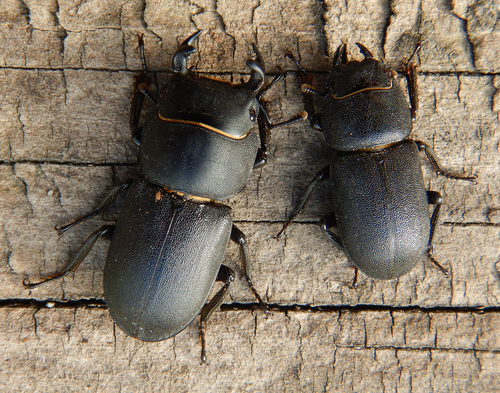
Sister Species (c) Michal Maňas, some rights reserved (CC BY), uploaded by Michal Maňas · cc-by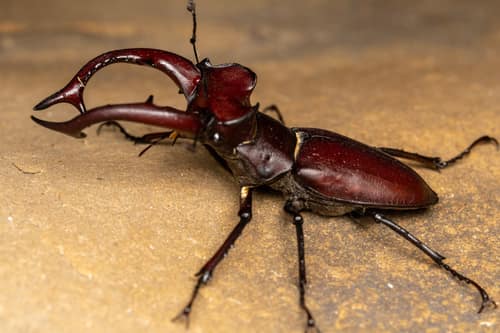
Close Relative (c) daksu, some rights reserved (CC BY) · cc-by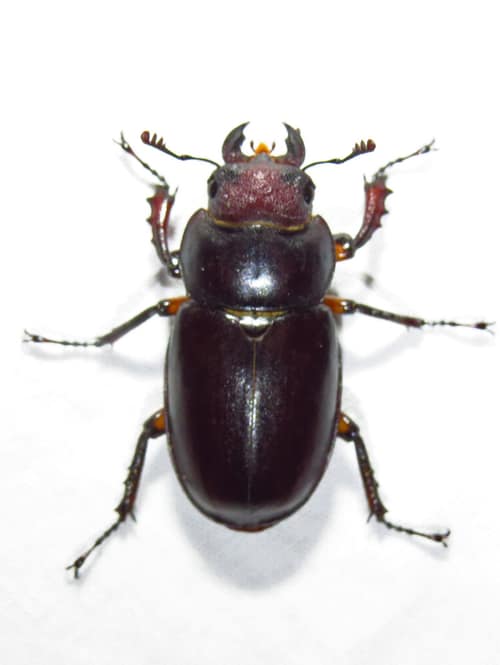
Close Relative (c) David Dodd, some rights reserved (CC BY), uploaded by David Dodd · cc-by Image unavailable
Family Member
Help improve the field guideSomething wrong?
Checking your Fauna account…Report a name, category, or profile issue for review.