
Plant · GBIF taxon 7835333
Rubber Plant
Ficus elasticaAlso known as Rubber Fig, Indian Rubber Bush, Indian Rubber Tree, Rambung
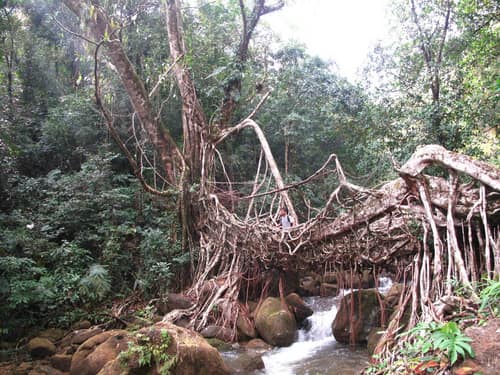
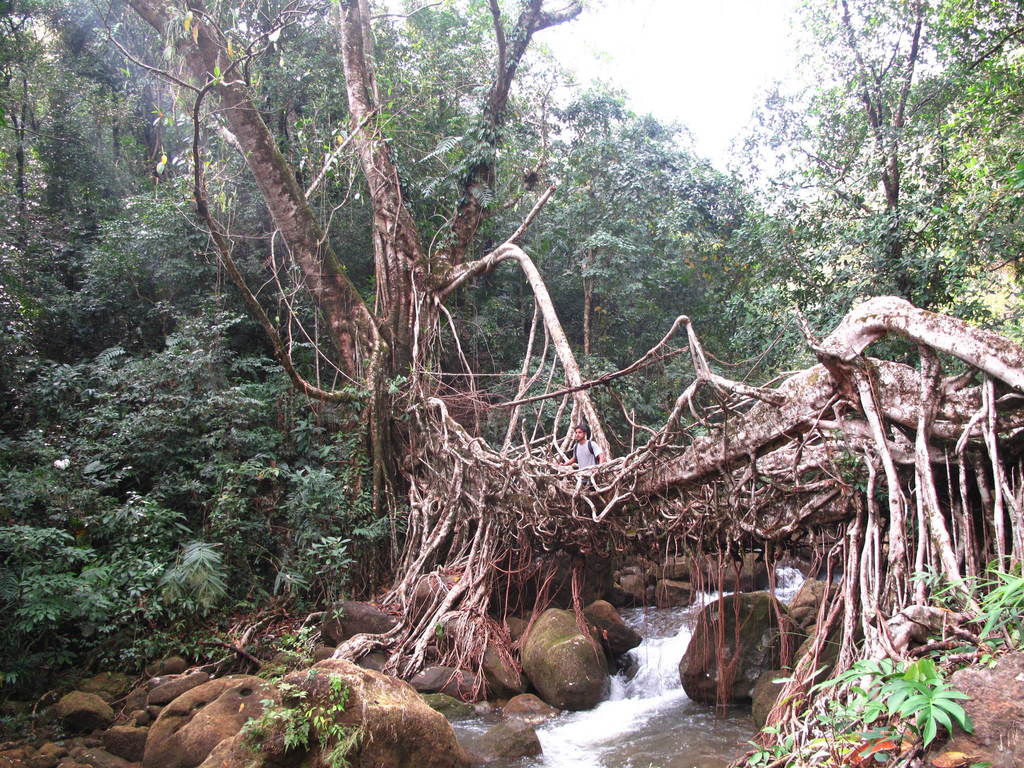
Rubber plants emerge in native Asian rainforests as towering canopy trees that produce massive aerial buttress roots to anchor in poor soils. Thick, glossy oval leaves emerge encased in striking pinkish-red sheaths before unfolding into deep green foliage. While widely cherished globally as structural houseplants, wild specimens drop aerial roots that fuse together to form living root bridges across river valleys in northeastern India.
TreeBroadleafOrnamental
 1 / 7
1 / 7—observations
—countries
—peak records
Not EvaluatedConservation statusIUCN Red List categoriesLCNTVUENCREWEXNot Evaluated — not placed on the risk ladderRed List categories, explained →
Diet & prey
- Autotrophic (Photosynthesis)
Predators
- Scale insects
- Mealybugs
- Spider mites
ThreatsHabitat loss in wild, overwatering in cultivation
HabitatsTropical rainforests, urban gardens, indoor spaces
Life span50–100+ years in nature; 10–20+ years indoors
Size / weightNot available
Classification
- OrderRosales
- FamilyMoraceae
- GenusFicus
- SpeciesFicus elastica
Range data is not available yet.
Interaction riskHigh
- Low
- Moderate
- High
- Very high
- Why interaction risk is high
- Milky sap irritates skin and is toxic to pets if ingested; wear gloves when pruning.
- Why it is dangerous
- Contains ficin enzymes and latex compounds that cause gastrointestinal upset if eaten and skin inflammation upon contact.
- How to recognize a risky encounter
- Recognizable by glossy leather-like leaves that bleed a sticky milky white sap when snapped or cut.
- What to do
- Wear protective gloves when pruning stem tissue and position indoor pots away from curious pets.
Responsible observation
- Lighting: Place in bright, indirect light to encourage healthy leaf retention and rich foliage color.
- Watering: Let the top layer of soil dry out between waterings to prevent root rot.
- Care: Wipe dust from leaves with a damp cloth to keep stomata clean for proper transpiration.
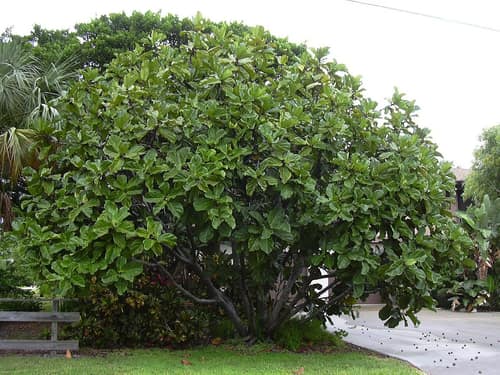
Close Relative Forest & Kim Starr / CC BY 3.0 · cc-by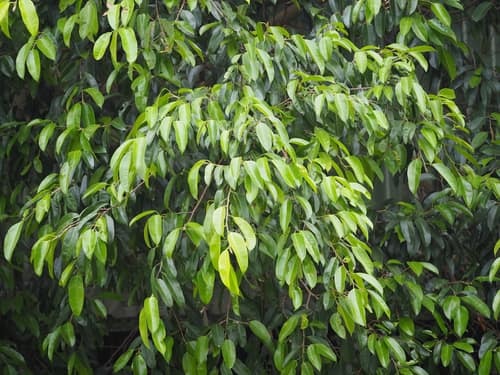
Close Relative no rights reserved, uploaded by 葉子 · cc0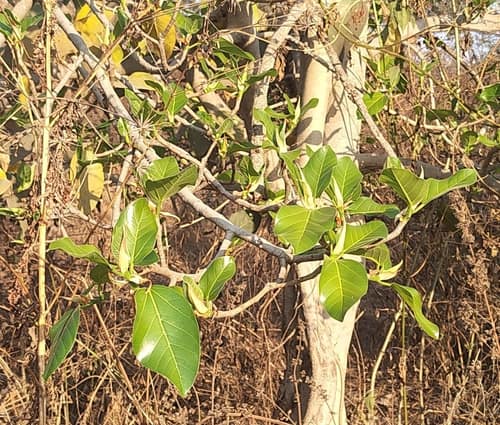
Close Relative (c) Aadi Kulkarni, some rights reserved (CC BY) · cc-by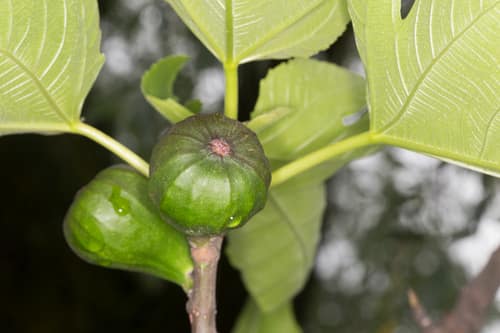
Close Relative (c) Drepanostoma, some rights reserved (CC BY), uploaded by Drepanostoma · cc-by
Keep collecting in Fauna
Found in Collections
Species set Pro
Windowsill Flora
Rubber Plant is found in this collection. Identify it in Fauna to fill this slot and continue your progress.
Unlock to track progress
Help improve the field guideSomething wrong?
Checking your Fauna account…Report a name, category, or profile issue for review.