
Plant · GBIF taxon 5361899
Fiddle-leaf Fig
Ficus lyrataAlso known as Banjo Fig, Fiddle-leaved Fig, Lyre Leaf Fig, Lyre-leaved Fig Tree
Fiddle-leaf figs dominate tropical West African canopy gaps where they often begin life as epiphytes, germinating high in tree branches before sending aerial roots down to anchor in soil. Their massive, violin-shaped leaves feature prominent pale veins and glossy upper surfaces designed to capture light in humid forest storeys. Specialized fig wasps pollinate their hidden inflorescences in a mutually obligate ecological partnership.
BroadleafTropicalEvergreen
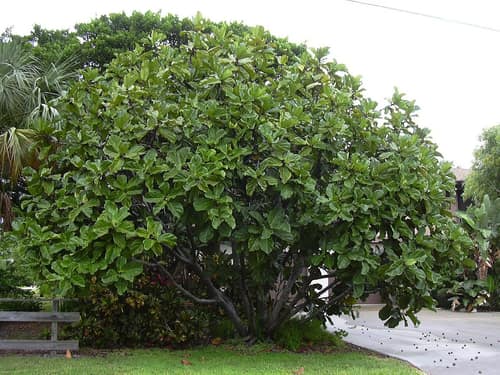
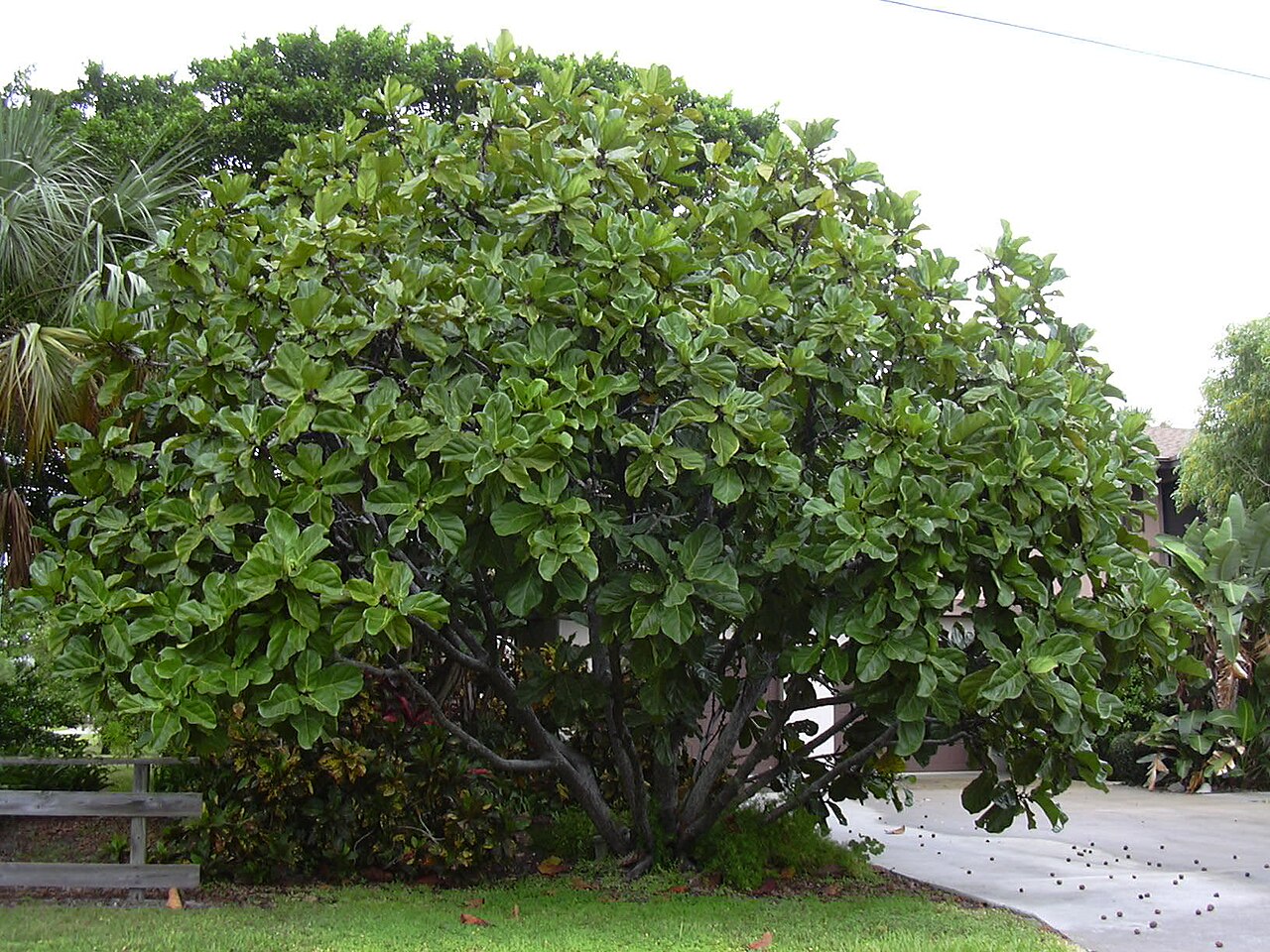
—observations
—countries
—peak records
Least ConcernConservation statusIUCN Red List categoriesLCNTVUENCREWEXLeast ConcernRed List categories, explained →
Diet & prey
- Photosynthetic
Predators
- Spider Mites
- Scale Insects
- Mealybugs
ThreatsDeforestation and Habitat Fragmentation
HabitatsLowland Tropical Rainforest
Life span50–100 years
Size / weightNot available
Classification
- OrderRosales
- FamilyMoraceae
- GenusFicus
- SpeciesFicus lyrata
Range data is not available yet.
Interaction riskHigh
- Low
- Moderate
- High
- Very high
- Why interaction risk is high
- Milky sap can irritate skin and is toxic to pets if chewed; handle with care.
- Why it is dangerous
- Milky latex sap contains proteolytic enzymes and ficusin that cause contact dermatitis and gastrointestinal irritation if ingested.
- How to recognize a risky encounter
- Look for glossy, violin-shaped leaves with stiff veins that bleed white sap when snapped or cut.
- What to do
- Wear gloves when trimming stems, wash skin promptly if sap touches it, and position plants out of reach of pets.
Responsible observation
- Light Needs: Place in bright, indirect light to maintain healthy leaf color and prevent leaf drop.
- Handling Sap: Wear protective gloves during pruning to avoid contact with irritating latex sap.

Close Relative (c) Yoav Daniel Bar-Ness, some rights reserved (CC BY), uploaded by Yoav Daniel Bar-Ness · cc-by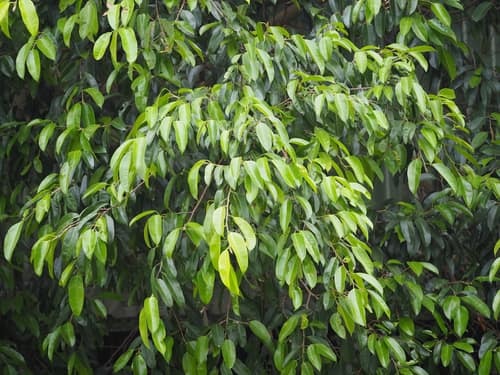
Close Relative no rights reserved, uploaded by 葉子 · cc0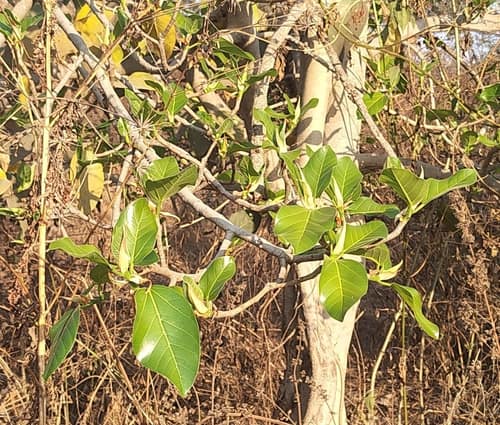
Close Relative (c) Aadi Kulkarni, some rights reserved (CC BY) · cc-by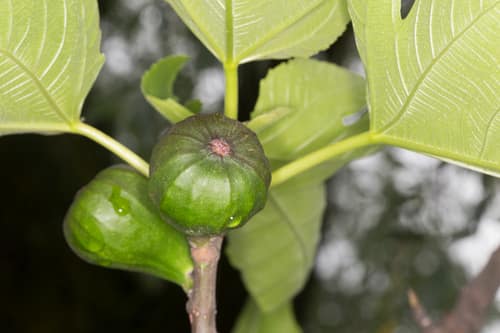
Close Relative (c) Drepanostoma, some rights reserved (CC BY), uploaded by Drepanostoma · cc-by
Keep collecting in Fauna
Found in Collections
Species set Pro
Windowsill Flora
Fiddle-leaf Fig is found in this collection. Identify it in Fauna to fill this slot and continue your progress.
Unlock to track progress
Help improve the field guideSomething wrong?
Checking your Fauna account…Report a name, category, or profile issue for review.