
Plant
Garden Parsley
Petroselinum crispumAlso known as Common Parsley, Rock Parsley
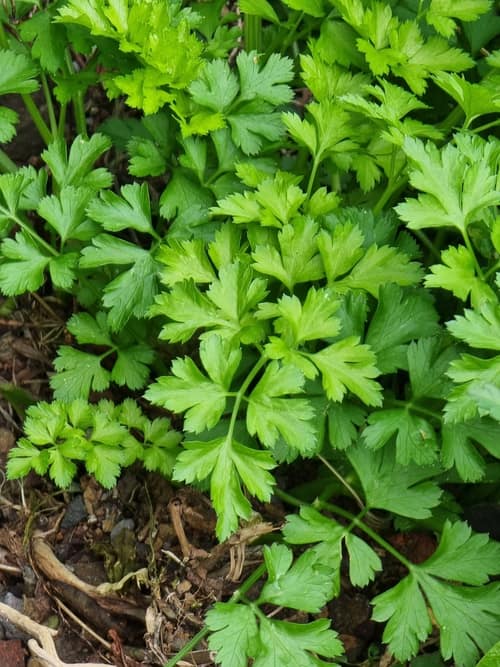
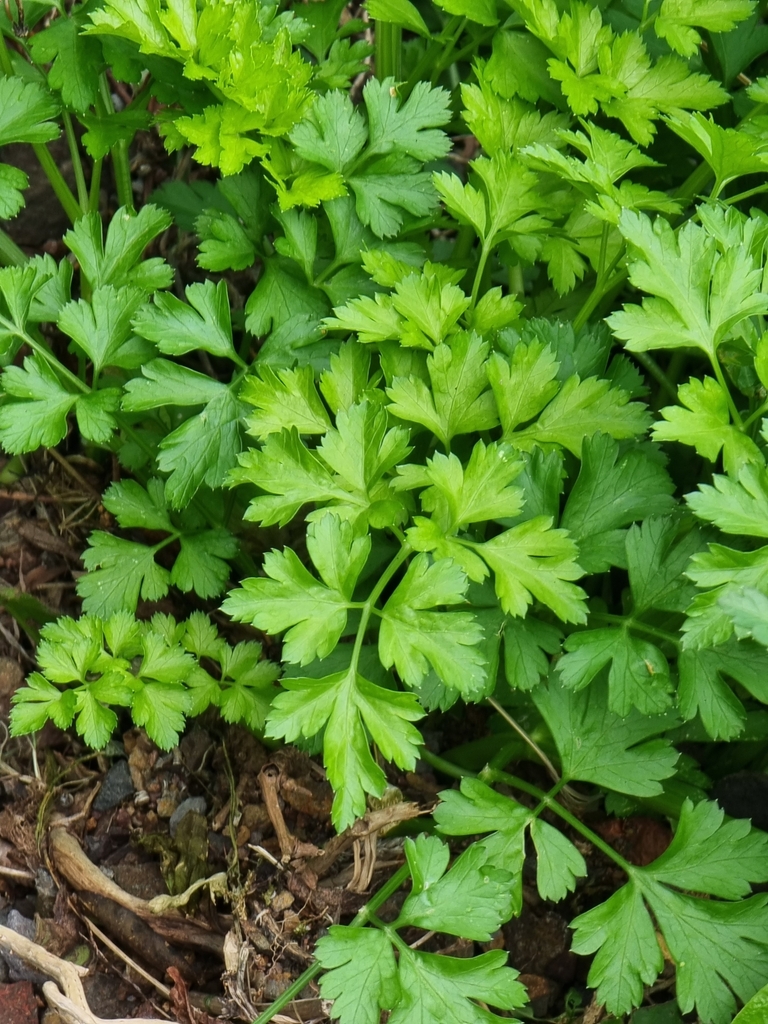
Garden parsley is a biennial aromatic herb native to the Mediterranean basin that grows a dense rosette of divided, bright green leaves in its first year before sending up tall, grooved flowering stems in its second. Tiny yellow-green blossoms arranged in flat-topped umbels attract a wide array of hoverflies, solitary bees, and parasitic wasps. Beyond the kitchen garden, its foliage serves as a vital larval host plant for swallowtail butterflies.
BiennialAromaticFlowering
—observations
—countries
—peak records
Not EvaluatedConservation statusIUCN Red List categoriesLCNTVUENCREWEXNot Evaluated — not placed on the risk ladderRed List categories, explained →
Diet & preySunlight, Water, Soil minerals
Predators
- Black Swallowtail caterpillars
- Aphids
- Slugs
ThreatsAphids, fungal leaf blights, root rot, and grazing herbivores
HabitatsRocky slopes, disturbed ground, roadsides, and cultivated gardens
Life span2 years (biennial)
Classification
- OrderApiales
- FamilyApiaceae
- GenusPetroselinum
- SpeciesPetroselinum crispum
Range data is not available yet.
Interaction riskHigh
- Low
- Moderate
- High
- Very high
- Why interaction risk is high
- Safe for people as a culinary herb, but toxic to dogs, cats, and horses if ingested.
- Why it is dangerous
- Contains furanocoumarins, which can trigger photosensitivity, dermatitis, and gastrointestinal upset in dogs, cats, and horses.
- How to recognize a risky encounter
- Forms a low rosette of bright green, divided leaves in year one, sending up grooved stems with flat-topped yellow-green umbels in year two.
- What to do
- Prevent pets from chewing on plants in gardens, and verify wild-growing Apiaceae carefully before touching or harvesting.
Responsible observation
- Scent Check: Crush a leaf gently; true parsley smells fresh and herbaceous, unlike foul-smelling toxic look-alikes.
- Pollinator Watch: Leave second-year plants to bolt so small bees, wasps, and hoverflies can feed on the umbels.
- Pet Safety: Keep garden beds fenced off from dogs and cats to prevent accidental grazing.
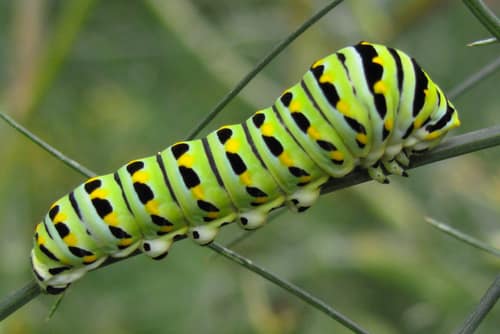
Host Plant "black swallowtail caterpillar" by animantis is licensed under CC BY 2.0. To view a copy of this license, visit https://creativecommons.org/licenses/by/2.0/. · cc-by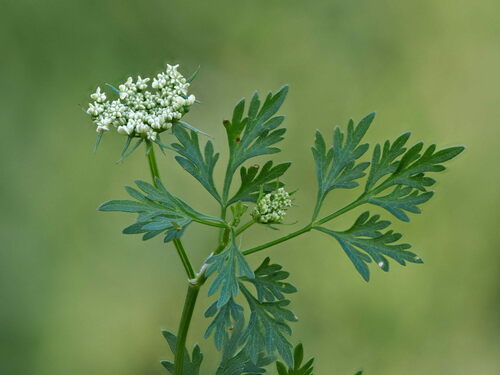
Look-alike (c) Gilles San Martin, some rights reserved (CC BY-SA), uploaded by Gilles San Martin · cc-by-sa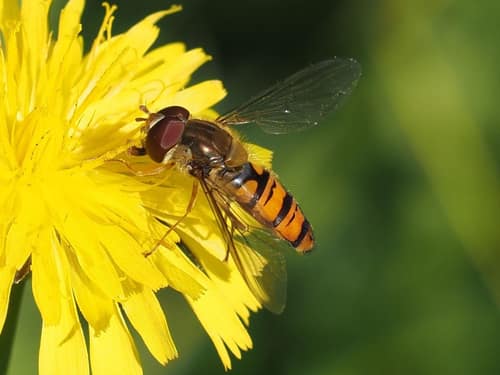
Pollinator (c) Michael Knapp, some rights reserved (CC BY), uploaded by Michael Knapp · cc-by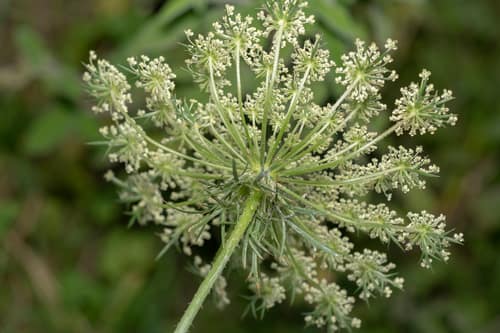
Same Family (c) Eleftherios Katsillis, some rights reserved (CC BY), uploaded by Eleftherios Katsillis · cc-by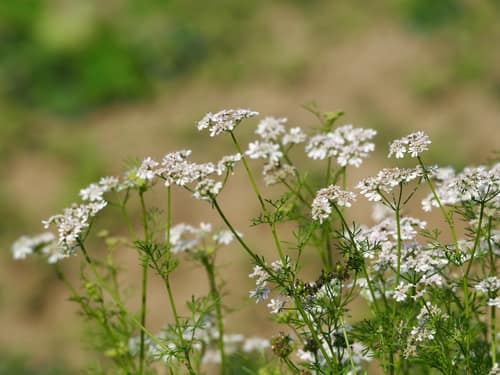
Same Family no rights reserved, uploaded by 葉子 · cc0
Help improve the field guideSomething wrong?
Checking your Fauna account…Report a name, category, or profile issue for review.