
Reptile · GBIF taxon 7794320
Scarlet Kingsnake
Lampropeltis elapsoidesAlso known as Scarlet Milk Snake
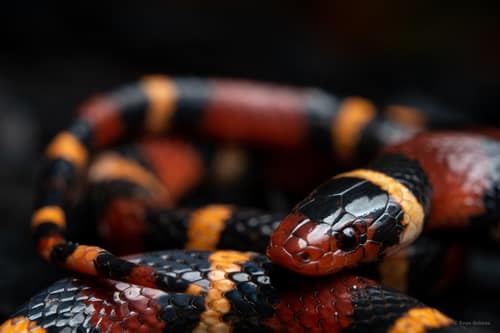
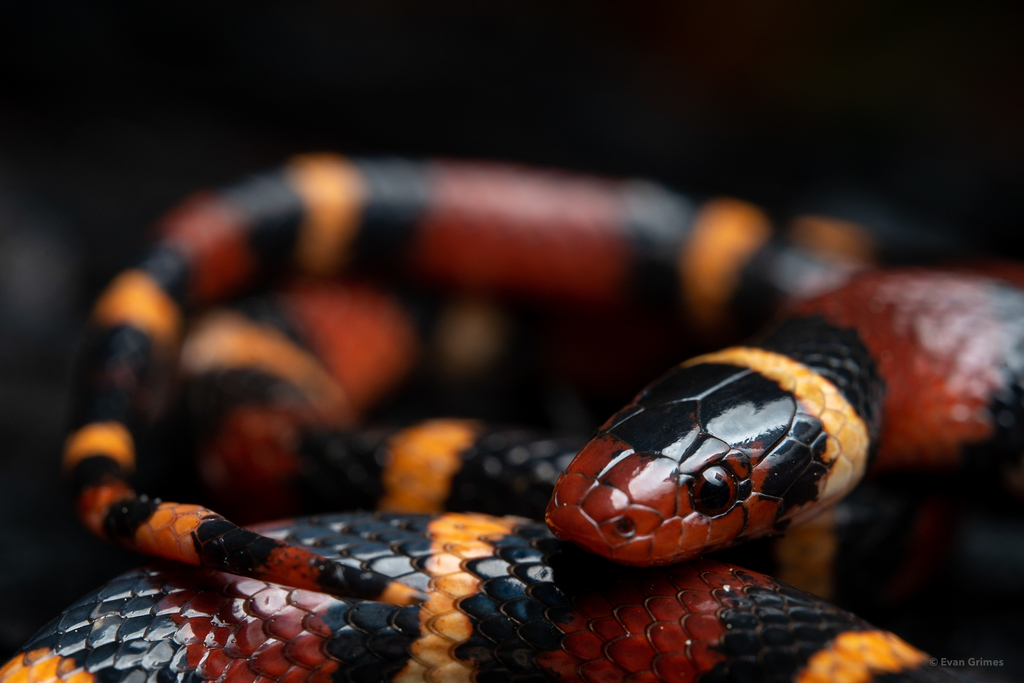
Scarlet kingsnakes are secretive woodland burrowers celebrated for their vibrant bands of red, black, and yellow or cream. This striking pattern represents a textbook example of Batesian mimicry, where a harmless snake borrows the cautionary colors of venomous coral snakes to discourage predators. Highly fossorial and nocturnal, these slender constrictors spend their daylight hours slipping beneath the loose bark of pine trees and rotting logs in search of lizards.
NonvenomousNocturnalPatterned
 1 / 7
1 / 7—observations
—countries
—peak records
Least ConcernConservation statusIUCN Red List categoriesLCNTVUENCREWEXLeast ConcernRed List categories, explained →
Diet & prey
- Little brown skinks
- Green anoles
- Small snakes
Predators
- Hawks
- Carnivorous mammals
- Larger snakes
ThreatsHabitat loss from suburban development, road mortality, and accidental killing due to mistaken identity
HabitatsPine flatwoods, hydric hammocks, pine savannas, mesic pine-oak forests, and suburban gardens
Life span10–15 years in the wild
Size / weightNot available
Classification
- FamilyColubridae
- GenusLampropeltis
- SpeciesLampropeltis elapsoides
Range data is not available yet.
Interaction riskLow
- Low
- Moderate
- High
- Very high
- Why interaction risk is low
- Completely harmless and nonvenomous; safe to observe from a normal distance.
Responsible observation
- Identification Rhyme: Remember that red touches black on this harmless species, unlike the venomous coral snake where red touches yellow.
- Look Beneath Cover: Search gently under loose pine bark or rotting forest logs where adults shelter during the day.
- Pool Rescues: Use a skimmer net to safely lift stranded individuals from backyard swimming pools in spring.
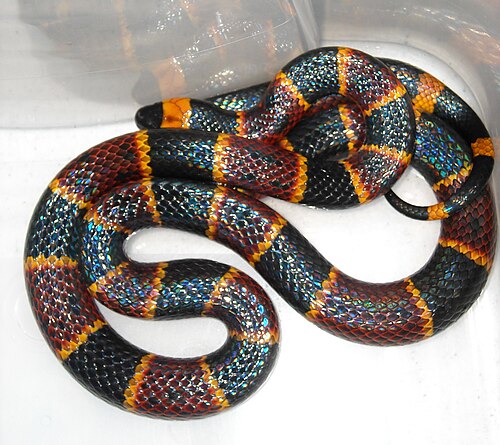
Mimicry Model Norman.benton / CC BY-SA 3.0 · cc-by-sa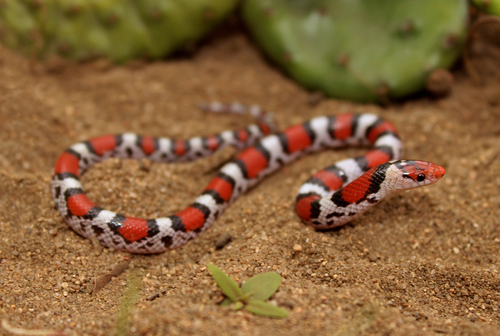
Look-alike (c) Peter Paplanus, some rights reserved (CC BY) · cc-by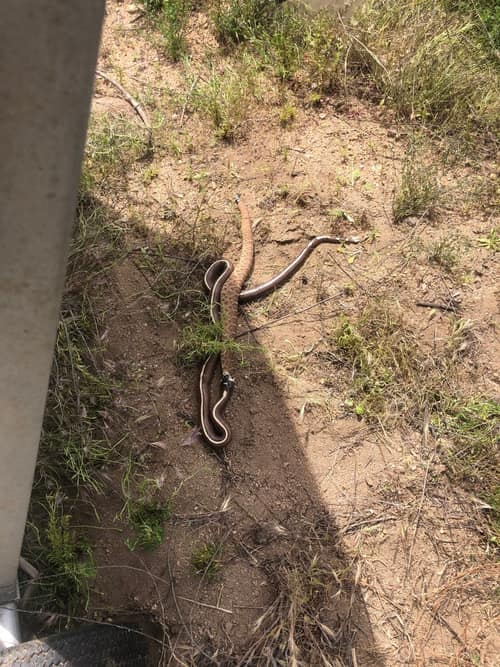
Same Genus (c) Amy Huie, some rights reserved (CC BY) · cc-by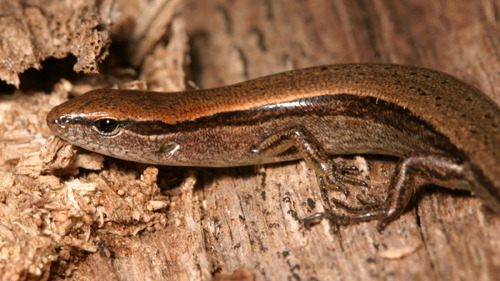
Prey (c) Patrick Coin, some rights reserved (CC BY-SA) · cc-by-sa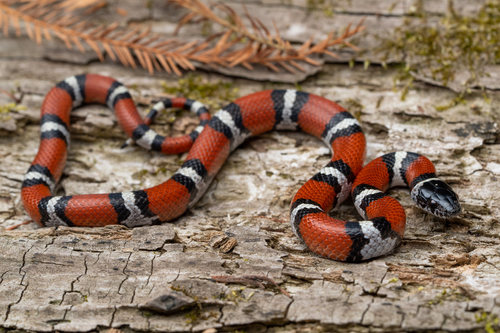
Close Relative (c) evangrimes, some rights reserved (CC BY), uploaded by evangrimes · cc-by
Help improve the field guideSomething wrong?
Checking your Fauna account…Report a name, category, or profile issue for review.