
Plant
American Mountain Ash
Sorbus americanaAlso known as American Mountain-Ash, Roundwood, Dogberry, Mountain Sumac
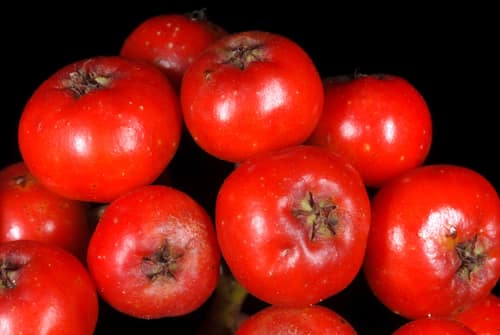
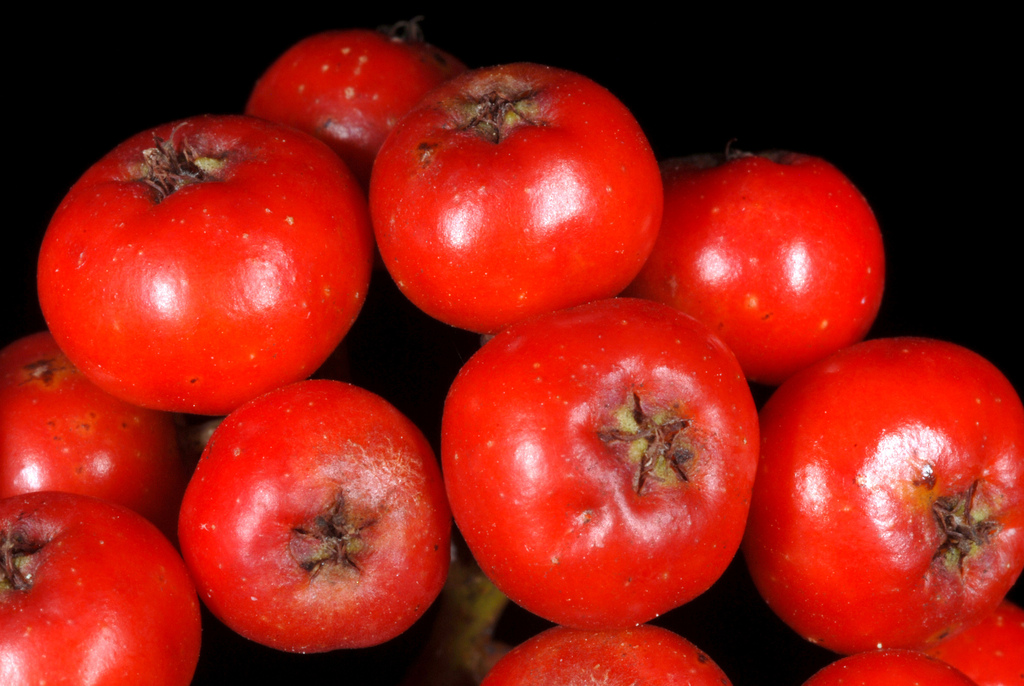
American mountain ash is a small deciduous tree or multi-stemmed shrub renowned for its dense clusters of creamy white spring flowers and brilliant scarlet pome clusters in autumn. In high-elevation Appalachian ridges and northern boreal borders, it provides critical cold-season nourishment for frugivorous birds like cedar waxwings and grouse. The compound pinnate leaves turn vibrant yellow and bronze before shedding, leaving stark gray branches laden with bright red fruit well into winter.
DeciduousNative TreeWildlife Value
—observations
—countries
—peak records
Least ConcernConservation statusIUCN Red List categoriesLCNTVUENCREWEXLeast ConcernRed List categories, explained →
Diet & preySunlight, Water, Soil nutrients
Predators
- Moose
- White-tailed Deer
- Beaver
ThreatsFire blight, fungal cankers, and climate-driven habitat warming
HabitatsCool northern forests, mountain summits, rocky slopes, and peat bogs
Life span40–70 years
Classification
- OrderRosales
- FamilyRosaceae
- GenusSorbus
- SpeciesSorbus americana
Range data is not available yet.
Interaction riskHigh
- Low
- Moderate
- High
- Very high
- Why interaction risk is high
- Wild berries have toxic look-alikes; raw fruit contains parasorbic acid that causes stomach upset if eaten.
- Why it is dangerous
- Raw berries and crushed seeds contain parasorbic acid and cyanogenic glycosides that induce vomiting, severe cramps, and diarrhea.
- How to recognize a risky encounter
- Distinguished by clusters of pea-sized red fruit and odd-pinnate leaves with 11 to 17 sharply serrated, pointed leaflets.
- What to do
- Do not consume wild pomes; leave the berries on branches as natural winter sustenance for wildlife.
Responsible observation
- Identification Tip: Look for sticky, gummy dark purple buds in winter to distinguish it from the hairy buds of European rowan.
- Best Viewing Season: Visit high-elevation rocky outcrops in early autumn when scarlet fruit clusters contrast with yellow foliage.
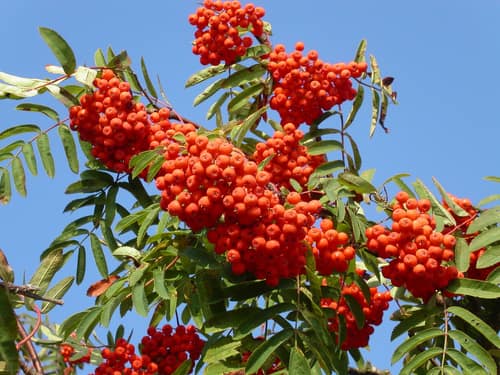
Same Genus (c) Hans Kylberg, some rights reserved (CC BY) · cc-by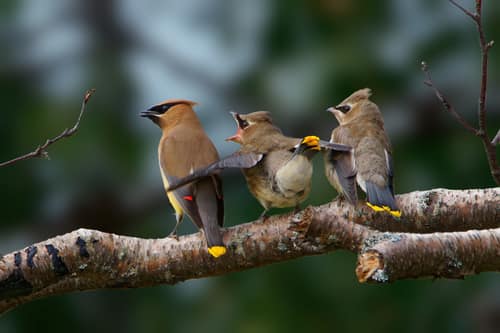
Seed Disperser (c) Christian Back, some rights reserved (CC BY), uploaded by Christian Back · cc-by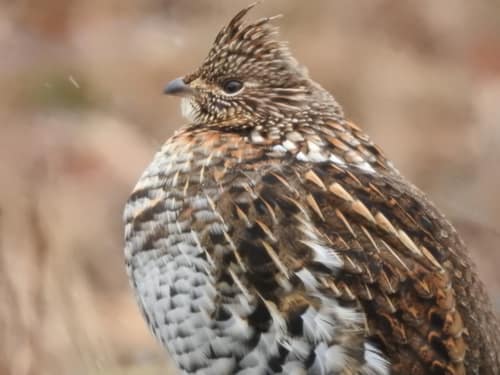
Forager (c) Alexis Godin, some rights reserved (CC BY), uploaded by Alexis Godin · cc-by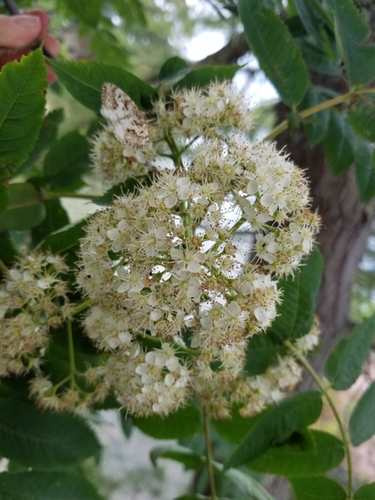
Close Relative (c) Sarah Johnson, some rights reserved (CC BY), uploaded by Sarah Johnson · cc-by
Help improve the field guideSomething wrong?
Checking your Fauna account…Report a name, category, or profile issue for review.