
Fungus · GBIF taxon 7769448
Ponderosa Bolete
Boletus rubricepsAlso known as Ruby Porcini, Rocky Mountain Red-Capped King Bolete, Rocky Mountain Red
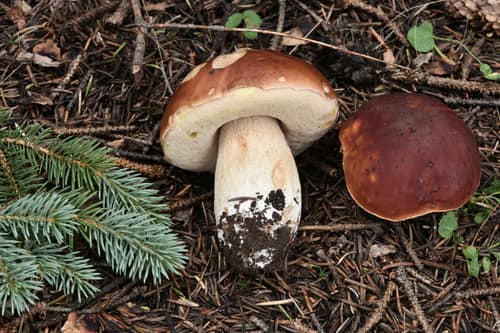
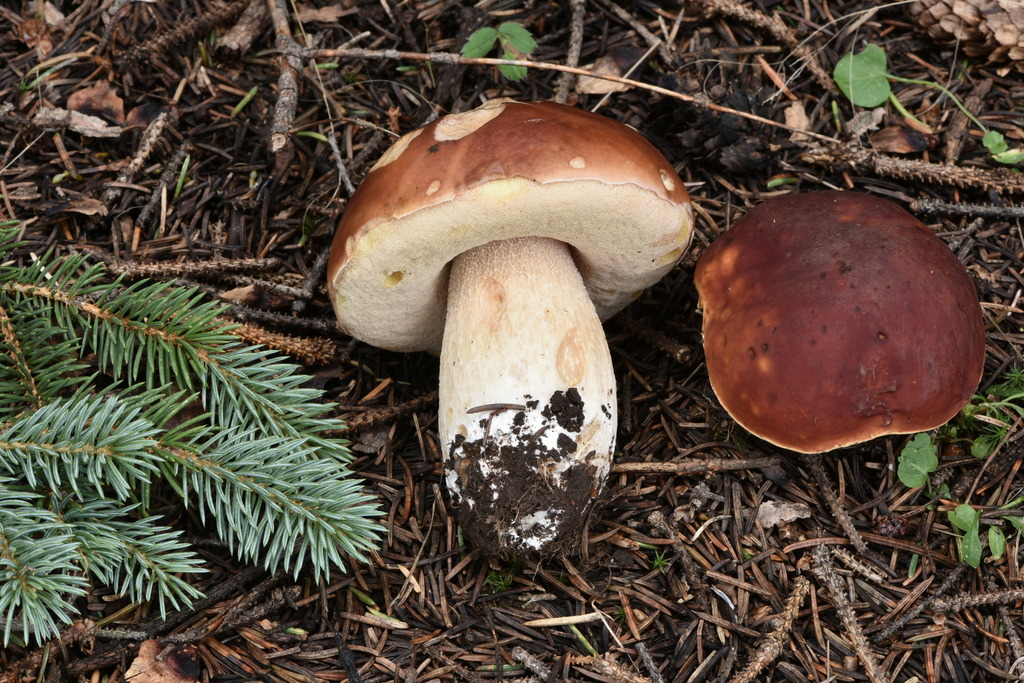
Subalpine conifer forests across the southern Rocky Mountains come alive with these robust fungi during summer monsoon rains. Deep reddish-brown caps emerge near ponderosa pine and spruce roots, where subterranean mycelial networks exchange vital mineral nutrients for tree sugars. Beneath the dense cap, yellowish pore surfaces release millions of microscopic spores into the cool mountain air.
FungusMycorrhizalRocky Mountains
 1 / 7
1 / 7—observations
—countries
—peak records
Least ConcernConservation statusIUCN Red List categoriesLCNTVUENCREWEXLeast ConcernRed List categories, explained →
Diet & prey
- Mycorrhizal
Predators
- Fungus Gnats
- Gastropods
- Squirrels
ThreatsHabitat Loss
HabitatsSubalpine Conifer Forests
Life spanPerennial Mycelium
Size / weightNot available
Classification
- FamilyBoletaceae
- SpeciesBoletus rubriceps
Range data is not available yet.
Interaction riskLow
- Low
- Moderate
- High
- Very high
- Why interaction risk is low
- Many edible mushrooms have toxic look-alikes; never eat wild fungi based on app identification alone.
Responsible observation
- Monsoon Timing: Look for fruit bodies late in summer after heavy afternoon rainstorms in high-elevation forests.
- Pore Examination: Check beneath the cap to observe pores rather than gills, a hallmark trait of boletes.
- Habitat Scouting: Focus search efforts near mature ponderosa pine, Engelmann spruce, and Douglas fir trees.
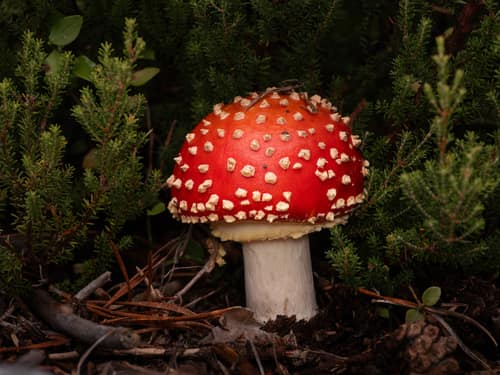
Frequent Companion (c) Borja Fierro, some rights reserved (CC BY), uploaded by Borja Fierro · cc-by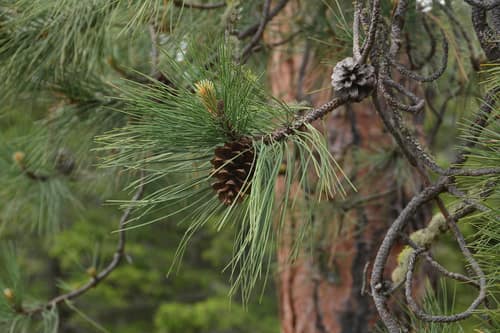
Host Plant no rights reserved, uploaded by Julia Carr · cc0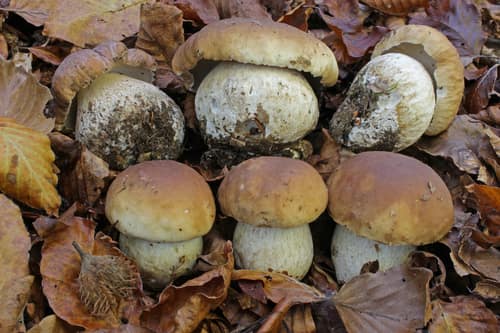
Close Relative (c) Davide Puddu, some rights reserved (CC BY), uploaded by Davide Puddu · cc-by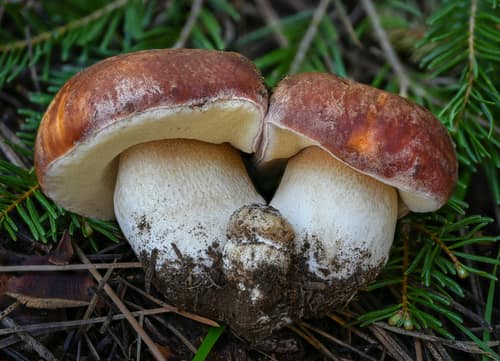
Close Relative (c) Alan Rockefeller, some rights reserved (CC BY), uploaded by Alan Rockefeller · cc-by
Help improve the field guideSomething wrong?
Checking your Fauna account…Report a name, category, or profile issue for review.