
Fungus
Tawny Grisette
Amanita fulvaAlso known as Orange-Brown Ringless Amanita, Tawny Ringless Amanita
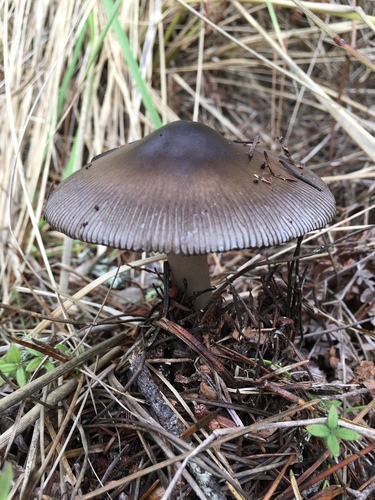
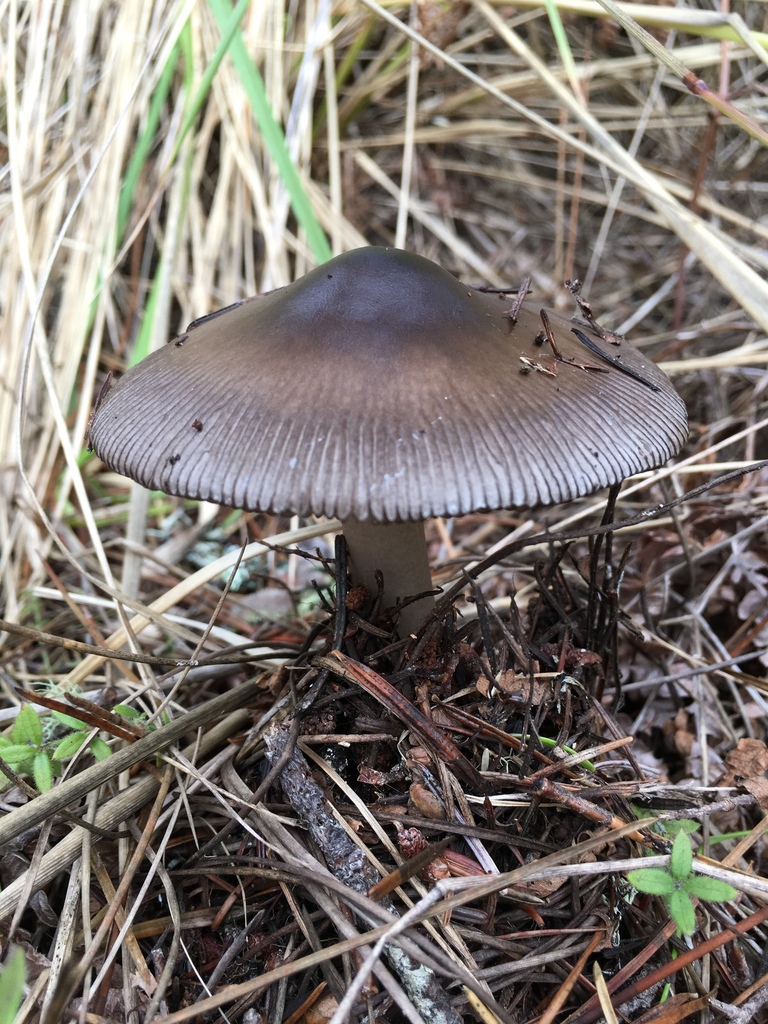
Tawny grisettes emerge in late summer and autumn across temperate woodlands, forming vital mycorrhizal partnerships with trees like birch, oak, and pine. The distinctive orange-brown caps feature strongly grooved edges and lack the skirt-like ring typical of many other Amanita mushrooms. Rising from a loose, sack-like volva hidden in the leaf litter, these delicate fruiting bodies rapidly expand before decomposing within a few days.
FungusMycorrhizalWoodland
—observations
—countries
—peak records
Not EvaluatedConservation statusIUCN Red List categoriesLCNTVUENCREWEXNot Evaluated — not placed on the risk ladderRed List categories, explained →
Diet & preyMycorrhizal
Predators
- Fungus gnats
- Slugs
- Red squirrels
ThreatsDeforestation and soil compaction
HabitatsDeciduous and coniferous forests
Life spanFruiting body lasts 3–7 days; underlying mycelium lives for decades
Classification
- OrderAgaricales
- FamilyAmanitaceae
- GenusAmanita
- SpeciesAmanita fulva
Range data is not available yet.
Interaction riskHigh
- Low
- Moderate
- High
- Very high
- Why interaction risk is high
- Many edible mushrooms have toxic look-alikes; never eat wild fungi based on app identification alone.
- Why it is dangerous
- Raw caps contain gastrointestinal toxins and the mushroom closely resembles lethal amatoxin-bearing Amanitas.
- How to recognize a risky encounter
- Features a rich orange-tan cap with grooved margins, no stem ring, and a tall membranous volva at the base.
- What to do
- Observe or photograph without eating; wash hands after touching wild mushrooms to avoid accidental ingestion.
Responsible observation
- Inspect the Base: Gently clear leaf litter around the stem base to spot the distinctive bag-like volva without breaking it.
- Check the Margins: Look closely at the cap rim to observe the characteristic radiating grooves or striations.
- Spore Prints: Place a severed cap on white paper overnight to yield a bright white spore print for identification.
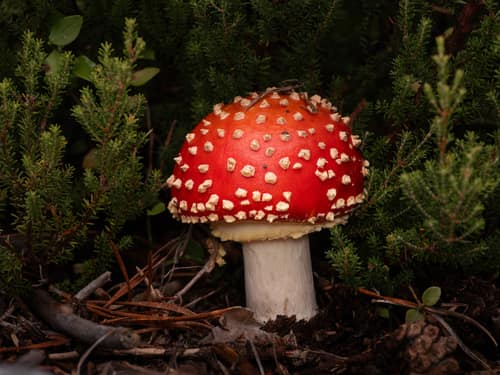
Genus Member (c) Borja Fierro, some rights reserved (CC BY), uploaded by Borja Fierro · cc-by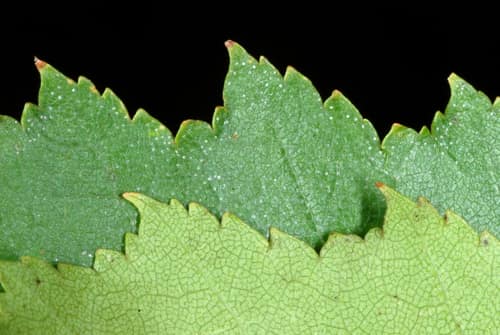
Mycorrhizal Host (c) Douglas Goldman, some rights reserved (CC BY-SA), uploaded by Douglas Goldman · cc-by-sa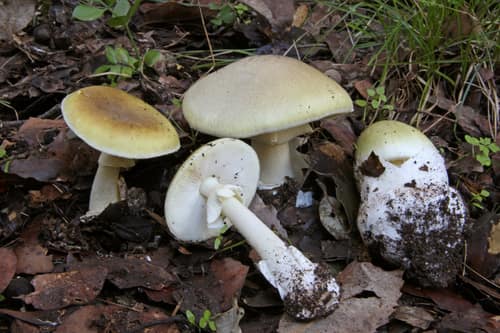
Deadly Relative (c) Davide Puddu, some rights reserved (CC BY), uploaded by Davide Puddu · cc-by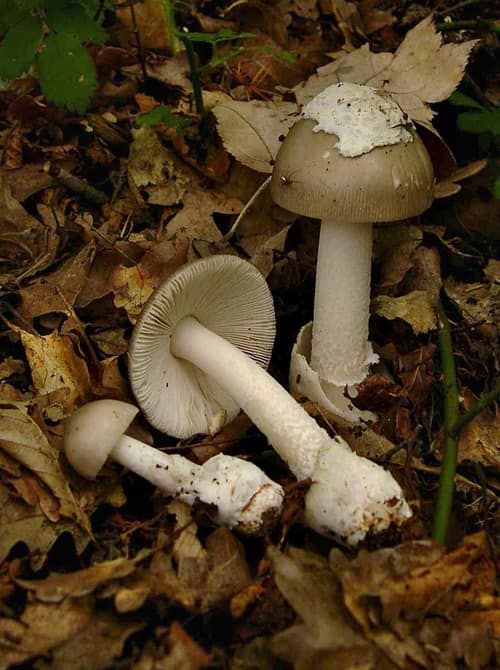
Close Relative AmanitaVaginata.jpg: archenzo derivative work: Jplm / CC BY-SA 3.0 · cc-by-sa
Keep collecting in Fauna
Found in Collections
Species set Pro
Fungi Forager
Tawny Grisette is found in this collection. Identify it in Fauna to fill this slot and continue your progress.
Unlock to track progress
Help improve the field guideSomething wrong?
Checking your Fauna account…Report a name, category, or profile issue for review.