
Arachnid · GBIF taxon 7748650
Sylvan Jumping Spider
Colonus sylvanusAlso known as Sylvan Jumper
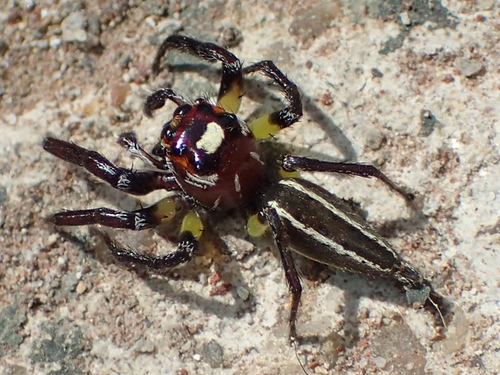
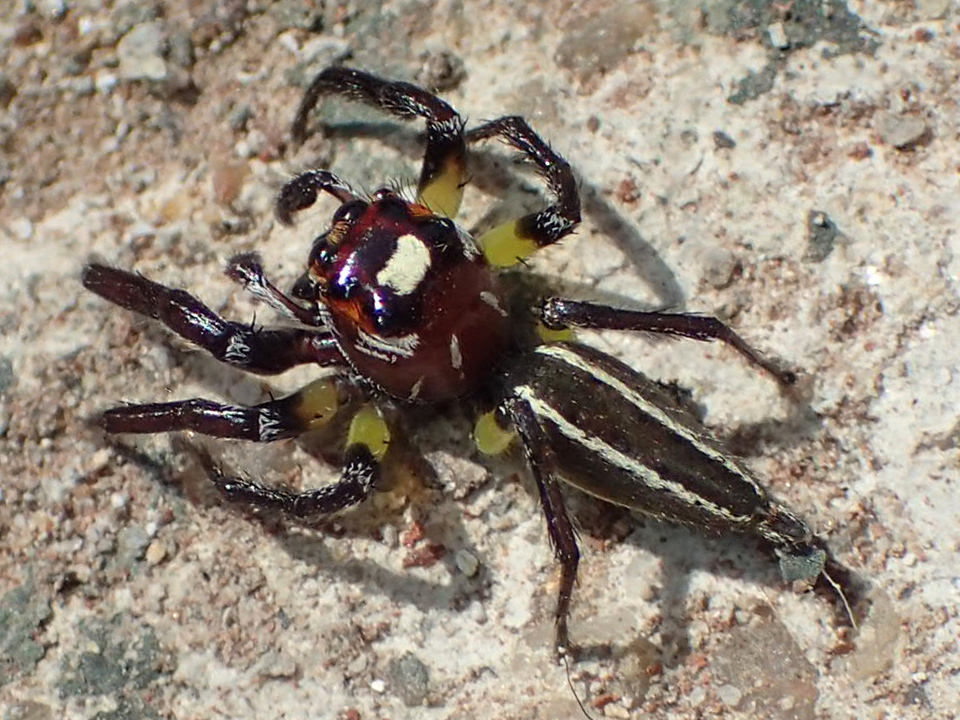
Sylvan jumping spiders prowl forest foliage and garden shrubbery with exceptional agility, relying on keen vision and hydraulic leg power to stalk prey without spinning capture webs. Adult males display dark cephalothoraxes and elongated jaws used in elaborate visual courtship dances, while females sport cryptic cream and brown chevron markings that vanish against pale leaves. Inquisitive by nature, they frequently pivot their heads to track nearby movements before bounding across vegetation.
DiurnalAgile HunterFoliage Dweller
—observations
—countries
—peak records
Not EvaluatedConservation statusIUCN Red List categoriesLCNTVUENCREWEXNot Evaluated — not placed on the risk ladderRed List categories, explained →
Diet & prey
- Flies
- Leafhoppers
- Small moths
Predators
- Spider wasps
- Songbirds
- Praying mantises
ThreatsHabitat loss, broad-spectrum pesticide use
HabitatsHardwood forests, woodland margins, thickets, and overgrown gardens
Life span1–2 years
Size / weightNot available
Classification
- OrderAraneae
- FamilySalticidae
- GenusColonus
- SpeciesColonus sylvanus
Range data is not available yet.
Interaction riskLow
- Low
- Moderate
- High
- Very high
- Why interaction risk is low
- Safe to observe at a close distance; bites are exceptionally rare and medically harmless.
Responsible observation
- Patience: Approach very slowly without casting sudden shadows, as their acute vision detects abrupt movements instantly.
- Habitat Spotting: Look along the upper surfaces and edges of broad leaves in sunny woodland edges during midday.
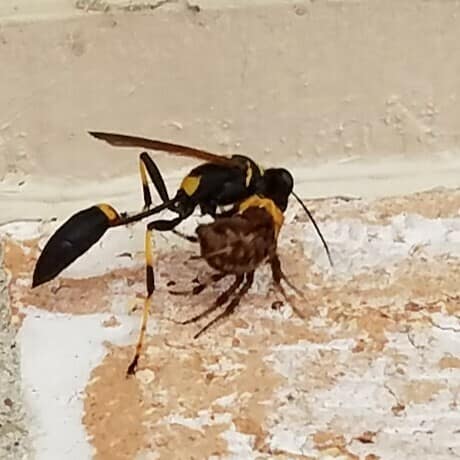
Predator (c) dhasdf, some rights reserved (CC BY) · cc-by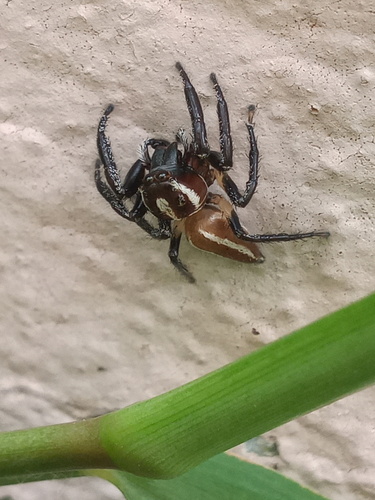
Close Relative (c) Rodolfo Salinas Villarreal, some rights reserved (CC BY) · cc-by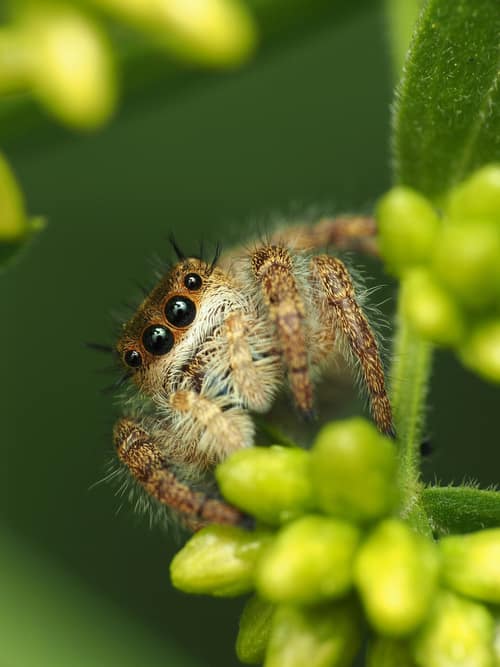
Same Family (c) Katja Schulz, some rights reserved (CC BY), uploaded by Katja Schulz · cc-by
Help improve the field guideSomething wrong?
Checking your Fauna account…Report a name, category, or profile issue for review.