
Fungus · GBIF taxon 7722553
Devil's Bolete
Rubroboletus satanasAlso known as Satan's Bolete, Bloody Bolete
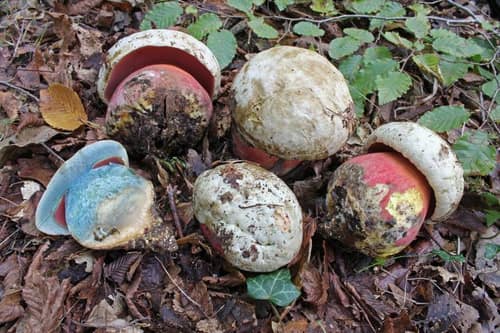
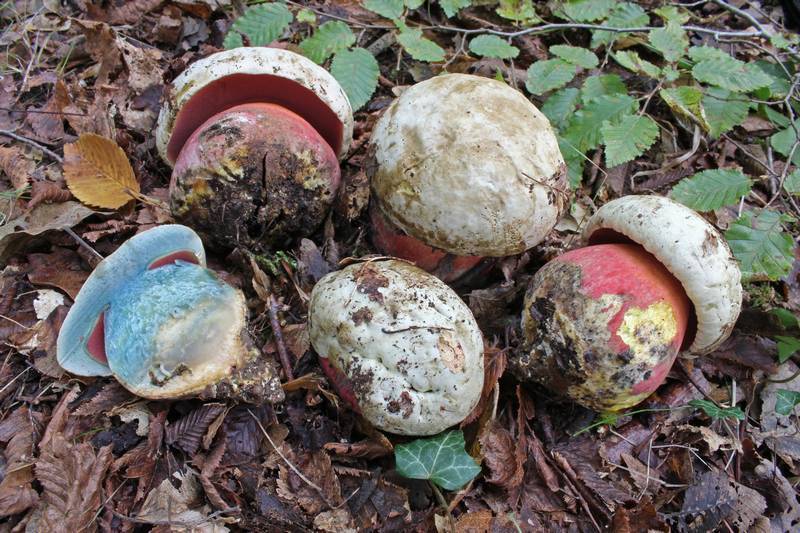
Easily recognized by its massive pale grey cap, blood-red pores, and swollen red-netted stem, Devil's bolete is a striking fungal giant of warm oak and beech woodlands on chalky soils. When cut or bruised, the spongy yellow flesh rapidly oxidizes to a vivid cyan blue before slowly fading back. Older specimens emit a powerful, sickening odor reminiscent of decaying meat, which deters mammals from disturbing the mature fruiting body.
PoisonousChalk WoodlandBolete
 1 / 7
1 / 7—observations
—countries
—peak records
Not EvaluatedConservation statusIUCN Red List categoriesLCNTVUENCREWEXNot Evaluated — not placed on the risk ladderRed List categories, explained →
Diet & prey
- Mycorrhizal (sustained by nutrient exchanges with broadleaf tree roots)
Predators
- Fungus gnats
- Slugs
- Maggots
ThreatsHabitat loss, soil acidification, over-collection
HabitatsDeciduous forests, oak and beech woodlands, chalk and limestone soils
Life spanFruiting body lasts 1–2 weeks; underground mycelium lives for decades
Size / weightNot available
Classification
- FamilyBoletaceae
- SpeciesRubroboletus satanas
Range data is not available yet.
Interaction riskHigh
- Low
- Moderate
- High
- Very high
- Why interaction risk is high
- Severe gastrointestinal toxin; many edible mushrooms have toxic look-alikes, so never eat wild fungi based on app identification alone.
- Why it is dangerous
- Contains bolesatine, a protein synthesis inhibitor that causes severe vomiting, intense abdominal cramps, and violent diarrhea.
- How to recognize a risky encounter
- Look for a chalky off-white cap paired with blood-red pore openings and a swollen stem covered in dark red reticulation.
- What to do
- Do not consume under any circumstances; admire and photograph the specimen in place without ingesting any part.
Responsible observation
- Observe the Staining: Gently press the pore surface to watch the rapid blue oxidation occur within seconds.
- Check the Netting: Examine the bulbous lower stem with a hand lens to spot the fine blood-red reticulated pattern.
- Smell from a Distance: Avoid sniffing older caps up close, as mature specimens smell strongly of rot.
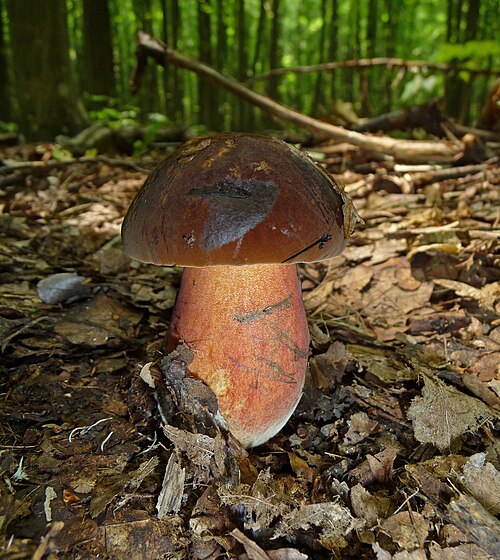
Look-Alike George Chernilevsky / Public domain · cc0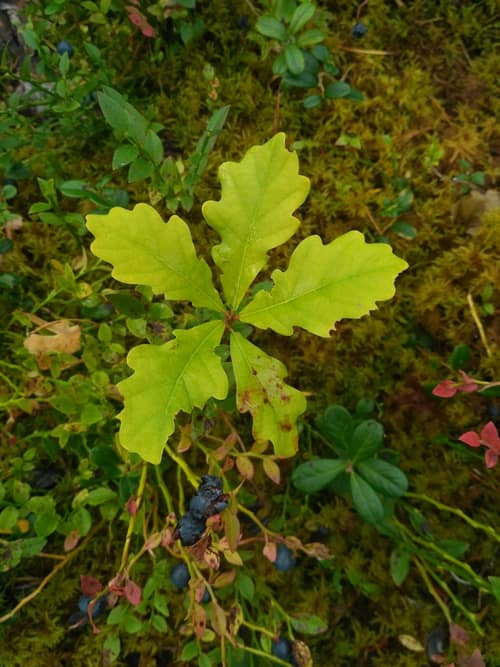
Mycorrhizal Host (c) Natalya Ivanova, some rights reserved (CC BY) · cc-by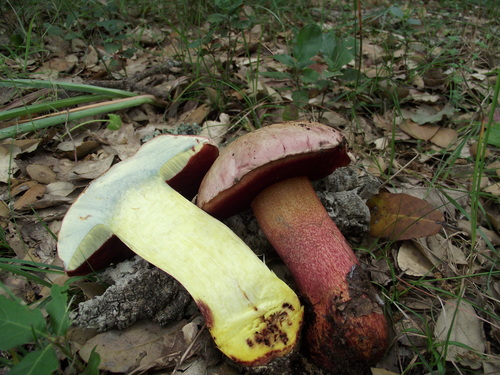
Close Relative (c) Davide Puddu, some rights reserved (CC BY), uploaded by Davide Puddu · cc-by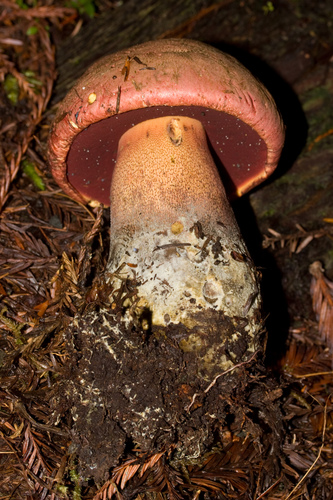
Close Relative (c) Ken-ichi Ueda, some rights reserved (CC BY) · cc-by
Help improve the field guideSomething wrong?
Checking your Fauna account…Report a name, category, or profile issue for review.