
Fungus
Ruddy Panus
Panus neostrigosusAlso known as Hairy Panus, Hairy Oyster Mushroom, Lilac Panus, Bristly Panus
Panus neostrigosus colonizes decaying hardwood logs, producing densely velvety or bristly, lilac-to-tan fruiting bodies with decurrent gills. The distinctive fuzz covering the cap surface traps moisture during dry spells, allowing this tough, leathery bracket fungus to persist much longer than soft-fleshed mushrooms. Its aggressive white-rot mycelium breaks down complex wood polymers like lignin and cellulose, playing a vital role in temperate forest nutrient cycles.
Wood-DecayingVelvetyCosmopolitan
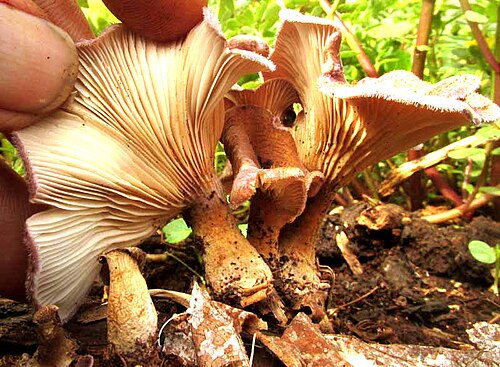
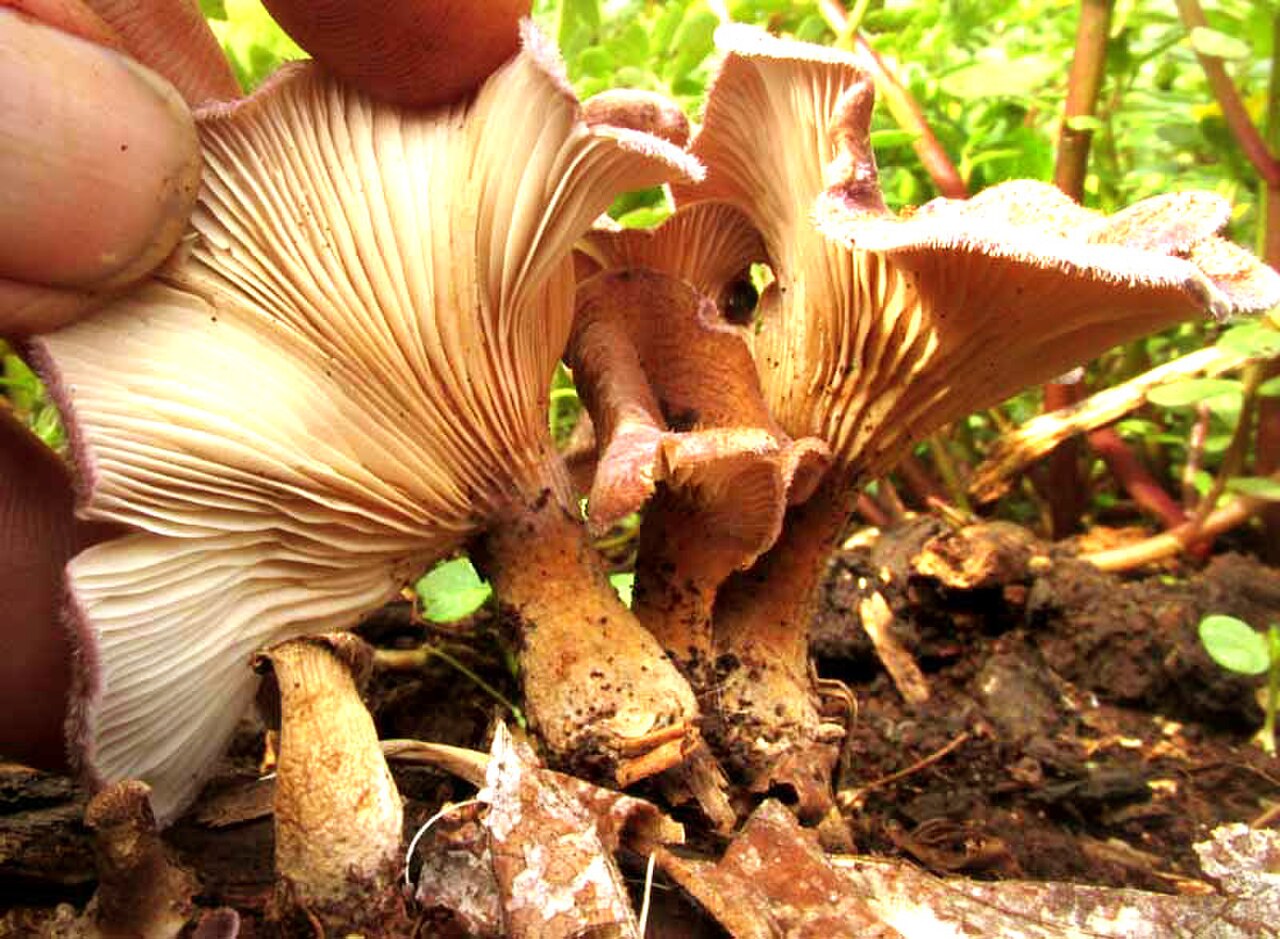
—observations
—countries
—peak records
Not EvaluatedConservation statusIUCN Red List categoriesLCNTVUENCREWEXNot Evaluated — not placed on the risk ladderRed List categories, explained →
Diet & preyDecaying Hardwood, Cellulose, Lignin
Predators
- Fungus Gnat Larvae
- Minute Tree-Fungus Beetles
- Slugs
ThreatsClear-cutting and the removal of coarse woody debris from managed forests
HabitatsDeciduous and mixed woodlands, particularly on fallen hardwood logs and stumps
Life spanFruiting body persists several weeks; mycelium lives multiple years
Classification
- OrderPolyporales
- FamilyPanaceae
- GenusPanus
- SpeciesPanus neostrigosus
Range data is not available yet.
Interaction riskLow
- Low
- Moderate
- High
- Very high
- Why interaction risk is low
- Many edible mushrooms have toxic look-alikes; never eat wild fungi based on app identification alone.
Responsible observation
- Habitat Scouting: Search shaded forest floors for fallen birch, oak, and beech logs after steady rainfall.
- Tactile Check: Examine the upper surface to observe the bristly, fur-like coat that distinguishes it from smooth bracket fungi.
- Decay Stage: Inspect the host log to observe how its white-rot action leaves the remaining wood bleached and stringy.
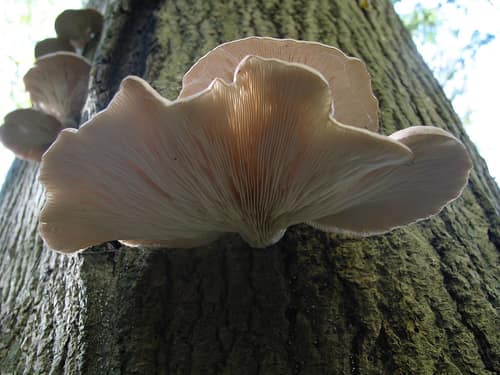
Look-Alike voir ci-dessous / see below / CC BY 3.0 · cc-by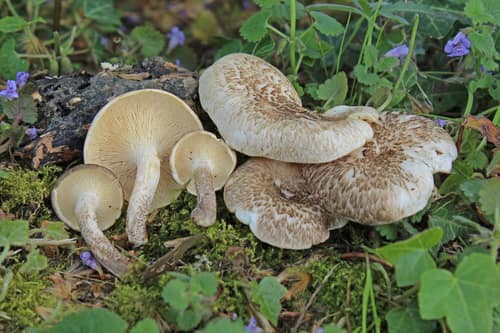
Related Wood-Rotter (c) Davide Puddu, some rights reserved (CC BY), uploaded by Davide Puddu · cc-by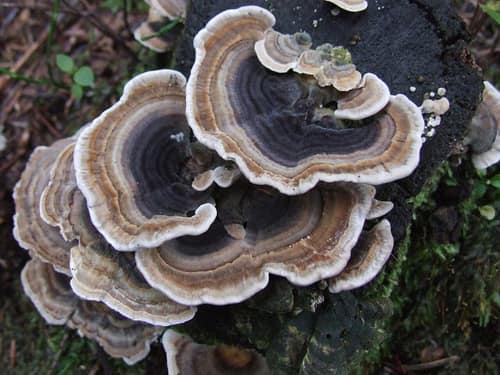
Frequent Companion Jerzy Opioła / CC BY-SA 3.0 · cc-by-sa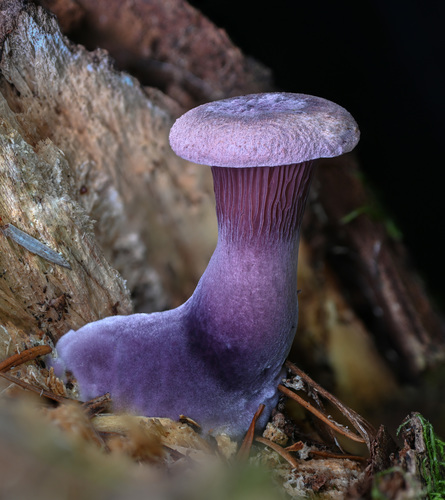
Close Relative (c) Alan Rockefeller, some rights reserved (CC BY), uploaded by Alan Rockefeller · cc-by
Keep collecting in Fauna
Found in Collections
Ecosystem chain Pro
Secret Garden
Ruddy Panus is found in this collection. Identify it in Fauna to fill this slot and continue your progress.
Unlock to track progress
Help improve the field guideSomething wrong?
Checking your Fauna account…Report a name, category, or profile issue for review.