
Arachnid
Giant Water Spider
Megadolomedes truxAlso known as Giant Fishing Spider
Giant water spiders are among Australia's largest semi-aquatic arachnids, resting with their front legs spread across the surface film of shaded rainforest creeks to detect tiny ripples. When a tadpole, aquatic insect, or small fish brushes past, they dart across the water or dive beneath it, trapping air bubbles against their velvety body hairs so they can stay submerged for minutes at a time. Females carry a large, round silk egg sac in their chelicerae for weeks before weaving a nursery web among creekside foliage to guard the hatchlings.
Semi-aquaticAmbush PredatorAustralian Endemic
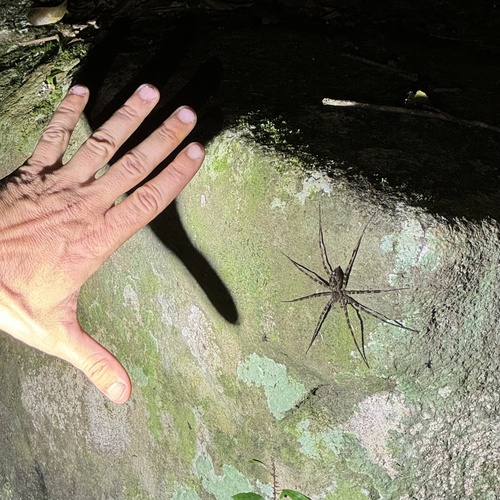
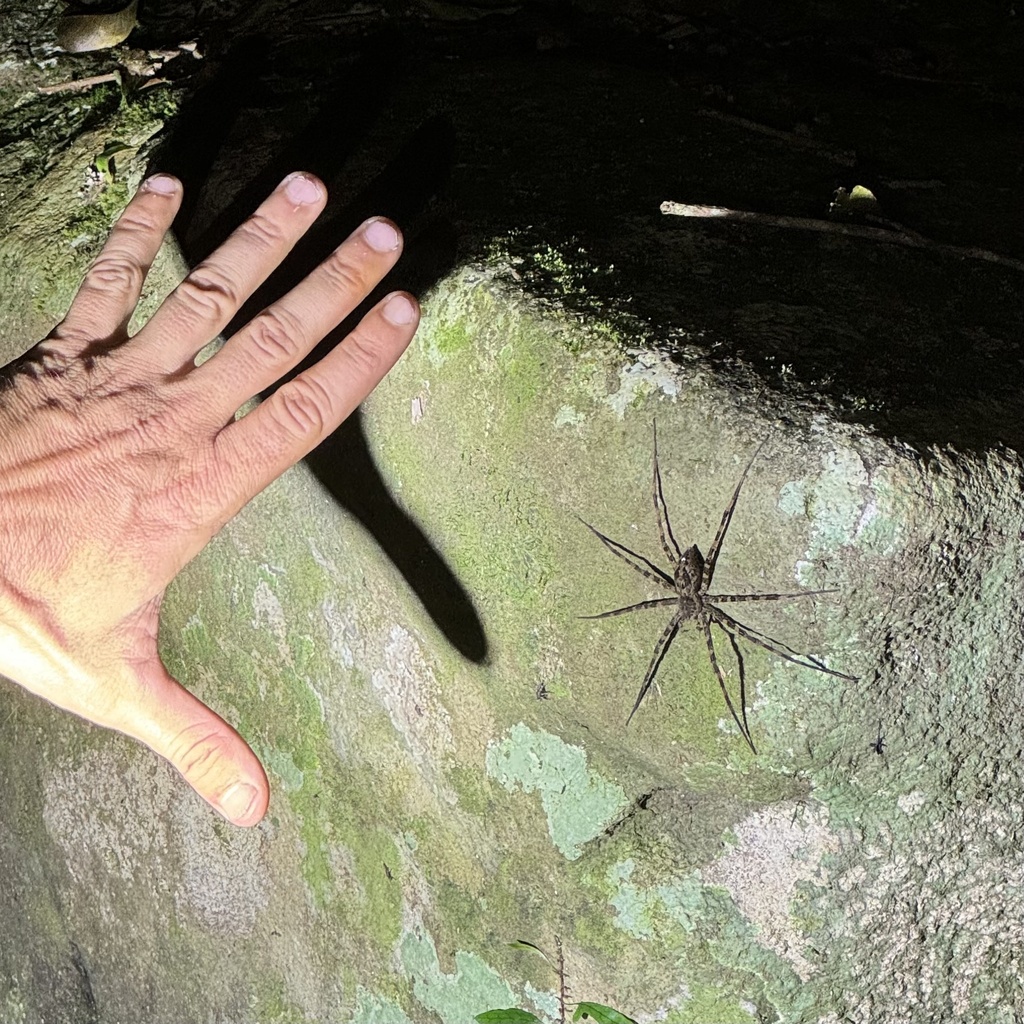
—observations
—countries
—peak records
Not EvaluatedConservation statusIUCN Red List categoriesLCNTVUENCREWEXNot Evaluated — not placed on the risk ladderRed List categories, explained →
Diet & preySmall fish, Tadpoles, Aquatic insects
Predators
- Water dragons
- Kingfishers
- Large frogs
ThreatsRiparian habitat clearing, water pollution, and stream siltation
HabitatsFreshwater creeks, rocky rainforest streams, and shaded riparian pools in Australia
Life span1 to 2 years
Classification
- FamilyPisauridae
- SpeciesMegadolomedes trux
Range data is not available yet.
Interaction riskLow
- Low
- Moderate
- High
- Very high
- Why interaction risk is low
- Not dangerously venomous; bites are rare and cause only mild, localized pain if handled.
Responsible observation
- Where to Look: Scan mossy boulders, overhanging roots, and calm creek eddies at dusk or after dark with a headlamp.
- Observation Etiquette: Watch from the bank without disturbing the water surface, as vibrations can send the spider diving under rocks.
- Safe Distance: Admire without picking up, since cornered females can deliver a painful defensive nip with their large fangs.
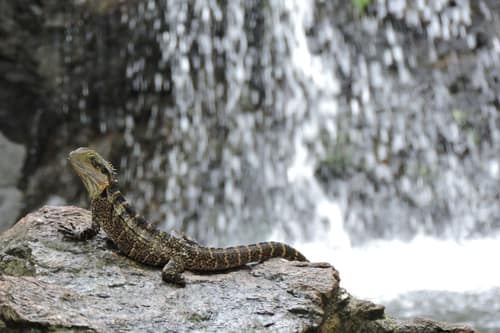
Predator (c) Auradyme, some rights reserved (CC BY), uploaded by Auradyme · cc-by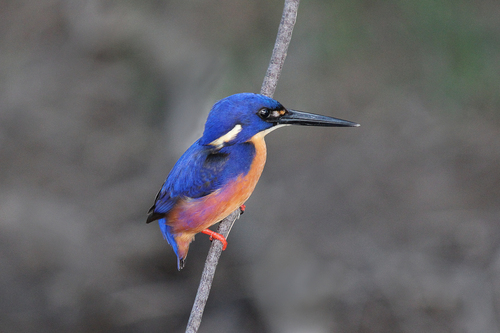
Predator no rights reserved · cc0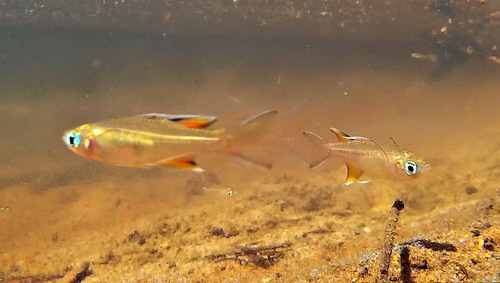
Prey (c) Greg Wallis, some rights reserved (CC BY) · cc-by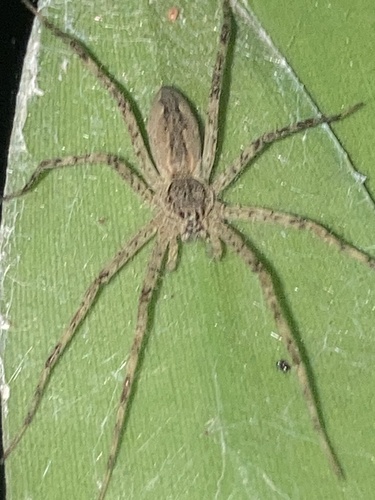
Close Relative (c) bughntr, some rights reserved (CC BY-SA) · cc-by-sa
Help improve the field guideSomething wrong?
Checking your Fauna account…Report a name, category, or profile issue for review.