
Arachnid
Giant Water Spider
Megadolomedes australianusGiant water spiders patrol the margins of eastern Australian creeks and ponds, resting with their front legs poised on the water's surface to detect ripples from passing prey. Females grow dramatically larger than males, using their size and speed to ambush tadpoles, small fish, and aquatic insects, and can dive beneath the surface for several minutes when threatened. Like other nursery web spiders, a mother carries her round silk egg sac in her jaws before building a protective silk tent among waterside vegetation for the hatching spiderlings.
Semi-aquaticAmbush PredatorNocturnal
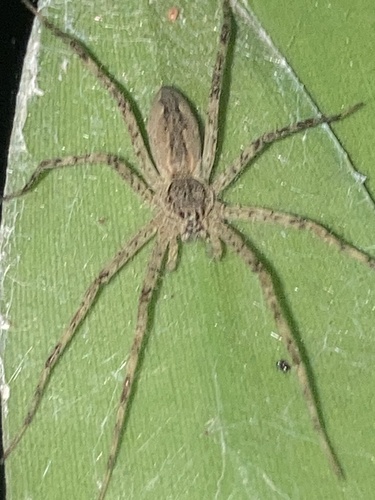
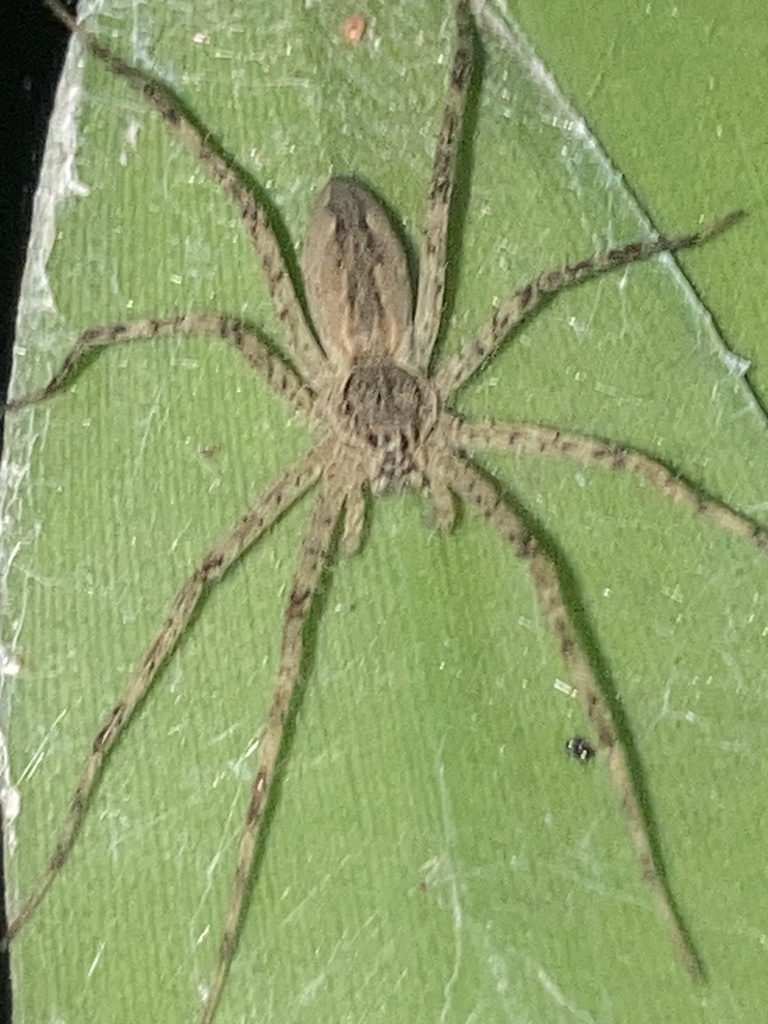
—observations
—countries
—peak records
Not EvaluatedConservation statusIUCN Red List categoriesLCNTVUENCREWEXNot Evaluated — not placed on the risk ladderRed List categories, explained →
Diet & preyTadpoles, Small fish, Aquatic insects
Predators
- Laughing kookaburras
- Water birds
- Large frogs
ThreatsStream pollution, riparian habitat clearing, and introduced predatory fish
HabitatsFreshwater creeks, streams, ponds, and riparian vegetation in eastern Australia
Life span1 to 2 years
Classification
- FamilyPisauridae
- SpeciesMegadolomedes australianus
Range data is not available yet.
Interaction riskLow
- Low
- Moderate
- High
- Very high
- Why interaction risk is low
- Safe to observe at a normal distance; bites are rare and trivial, though large females can nip if handled.
Responsible observation
- Night Spotting: Scan the water's edge after dusk with a headlamp to catch the bright reflection of their eyes.
- Hands Off: Observe from the bank or rocks without picking them up, as startled spiders will dive underwater.
- Quiet Approach: Step softly along creek banks, since vibrations on the ground or water surface send them retreating.
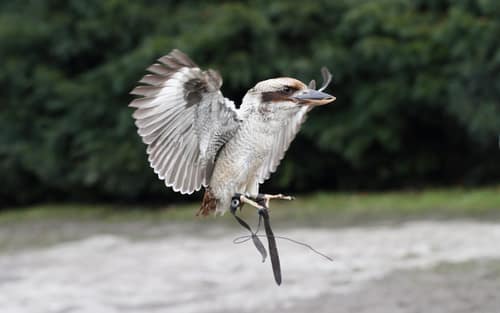
Predator (c) mcamcamca, some rights reserved (CC BY-SA) · cc-by-sa Image unavailable
Prey 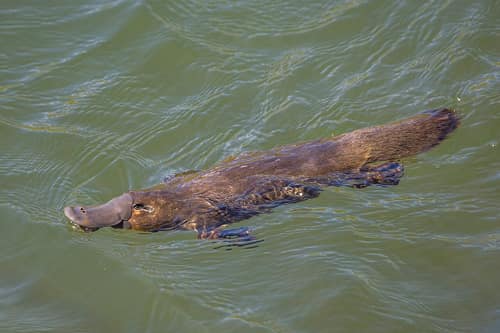
Neighbor Charles J. Sharp / CC BY-SA 4.0 · cc-by-sa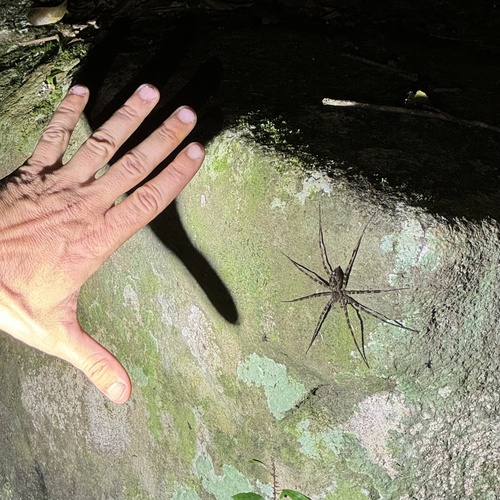
Close Relative (c) Sockrosma, some rights reserved (CC BY) · cc-by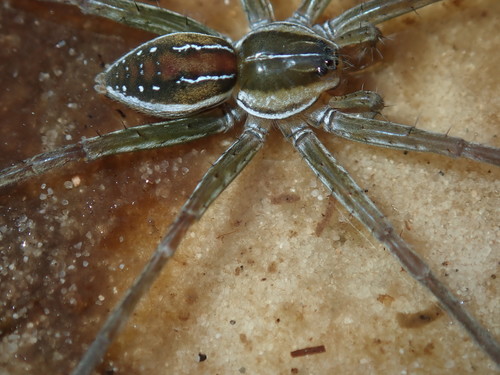
Same Family (c) Thomas Mesaglio, some rights reserved (CC BY), uploaded by Thomas Mesaglio · cc-by
Help improve the field guideSomething wrong?
Checking your Fauna account…Report a name, category, or profile issue for review.