
Flower
White Wild Indigo
Baptisia albaAlso known as White False Indigo, Prairie White Wild Indigo
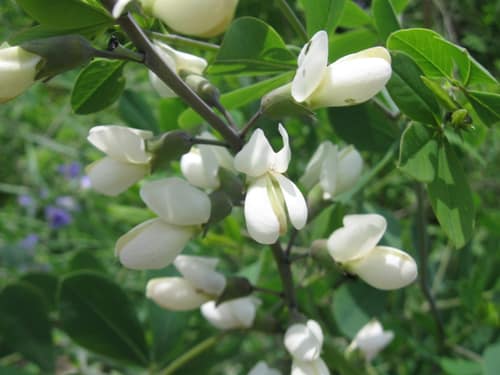
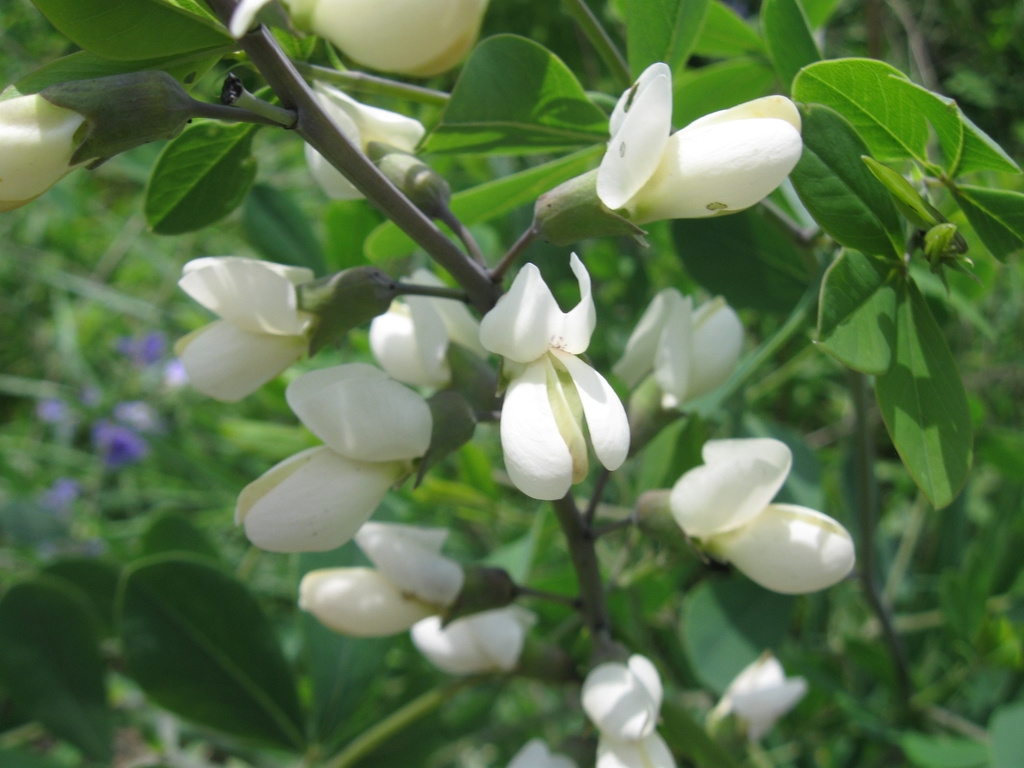
White wild indigo lifts tall racemes of creamy white pea flowers above smooth charcoal grey stems and blue-green foliage in late spring. Deep taproots allow this bushy native perennial to survive intense droughts and prairie fires once established. As autumn arrives, dark pods inflate and dry, rattling softly in the wind as they scatter seeds across the grassland.
NativePerennialPrairie
—observations
—countries
—peak records
Least ConcernConservation statusIUCN Red List categoriesLCNTVUENCREWEXLeast ConcernRed List categories, explained →
Diet & preySunlight, Water, Soil Nutrients
Predators
- Wild Indigo Duskywing Larvae
- Deer (young shoots)
ThreatsHabitat loss, agricultural conversion, fire suppression
HabitatsPrairies, tallgrass savannahs, open woodlands, glades
Life spanPerennial (20+ years)
Classification
- OrderFabales
- FamilyFabaceae
- GenusBaptisia
- SpeciesBaptisia alba
Range data is not available yet.
Interaction riskHigh
- Low
- Moderate
- High
- Very high
- Why interaction risk is high
- Contains toxic alkaloids that cause digestive distress if ingested; observe without consuming.
Responsible observation
- Spring Identification: Look for dark asparagus-like shoots emerging from the ground in early spring before foliage expands.
- Autumn Sound: Shake mature black seed pods to hear the loose seeds rattling inside.
- Observation Etiquette: Avoid digging up mature plants because their deep taproots make transplanting destructive and unsuccessful.
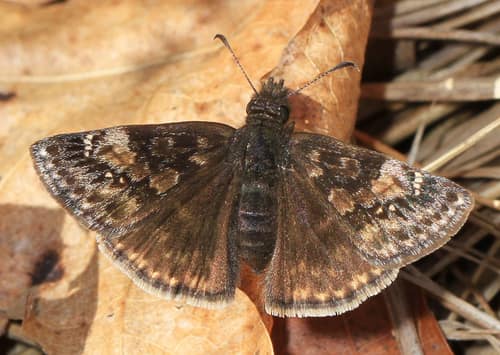
Larval Herbivore (c) Judy Gallagher, some rights reserved (CC BY-SA), uploaded by Judy Gallagher · cc-by-sa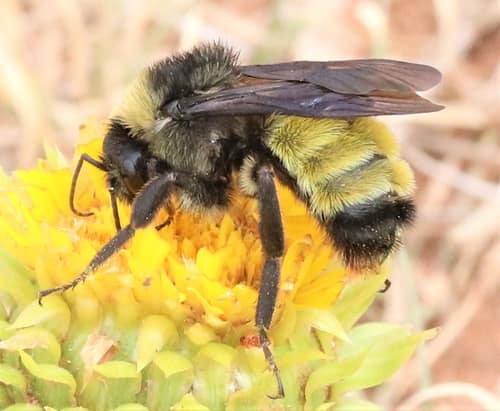
Pollinator (c) crseaquist, some rights reserved (CC BY), uploaded by crseaquist · cc-by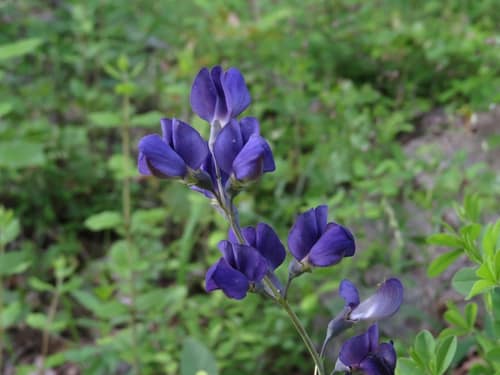
Close Relative (c) Evan M. Raskin, some rights reserved (CC BY), uploaded by Evan M. Raskin · cc-by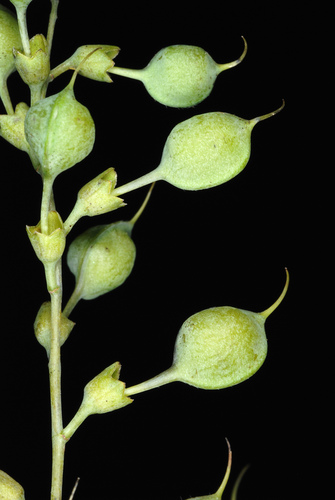
Close Relative (c) Douglas Goldman, some rights reserved (CC BY-SA), uploaded by Douglas Goldman · cc-by-sa
Help improve the field guideSomething wrong?
Checking your Fauna account…Report a name, category, or profile issue for review.