
Fungus · GBIF taxon 7621292
Two-colored Bolete
Baorangia bicolorAlso known as Red and Yellow Bolete, Bicolor Bolete
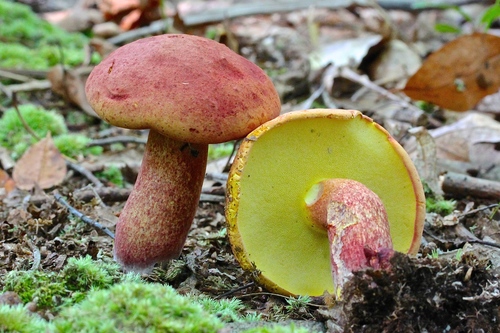
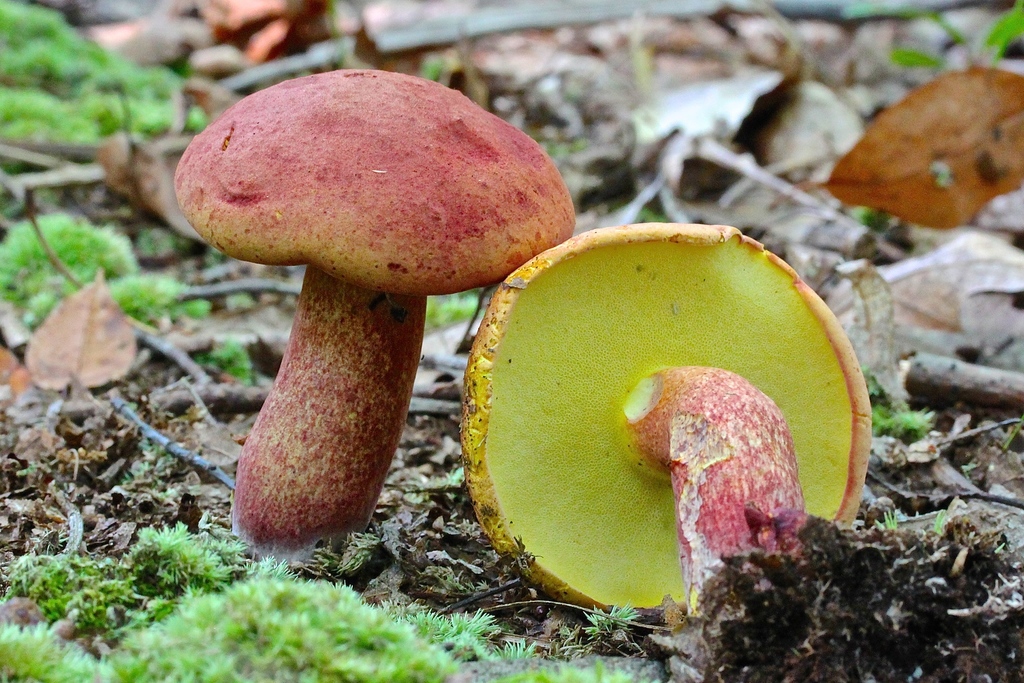
Two-colored boletes sprout from rich forest soil during warm summer and autumn months, forming vital subterranean partnerships with broadleaf trees like oaks. Their smooth, deep rose-red caps contrast strikingly with bright yellow pore surfaces underneath that bruise faint blue when bruised lightly. Spores disperse from these pores to colonize new woodland territory across eastern North America.
FungusMycorrhizalForest Dweller
 1 / 7
1 / 7—observations
—countries
—peak records
Not EvaluatedConservation statusIUCN Red List categoriesLCNTVUENCREWEXNot Evaluated — not placed on the risk ladderRed List categories, explained →
Diet & prey
- Mycorrhizal
Predators
- Fungus gnats
- Slugs
- Squirrels
ThreatsDeforestation and soil compaction
HabitatsDeciduous and mixed woods, primarily near oaks
Life spanPerennial mycelium; fruiting bodies last 1–2 weeks
Size / weightNot available
Classification
- OrderBoletales
- FamilyBoletaceae
- GenusBaorangia
- SpeciesBaorangia bicolor
Range data is not available yet.
Interaction riskLow
- Low
- Moderate
- High
- Very high
- Why interaction risk is low
- Many wild mushrooms have toxic look-alikes; never consume wild fungi based on app identification alone.
Responsible observation
- Observe Cap Features: Look for a deep reddish-pink cap contrasting with bright yellow pores underneath.
- Check Bruising: Press the pore surface gently to observe whether color changes occur slowly.
- Search Near Hardwoods: Scan damp forest floors around mature oak and beech trees after heavy summer rain.
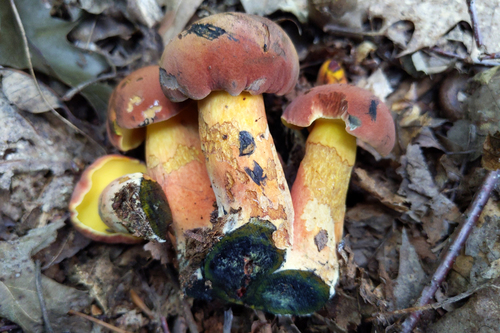
Toxic Look-Alike (c) Kristof Zyskowski, some rights reserved (CC BY) · cc-by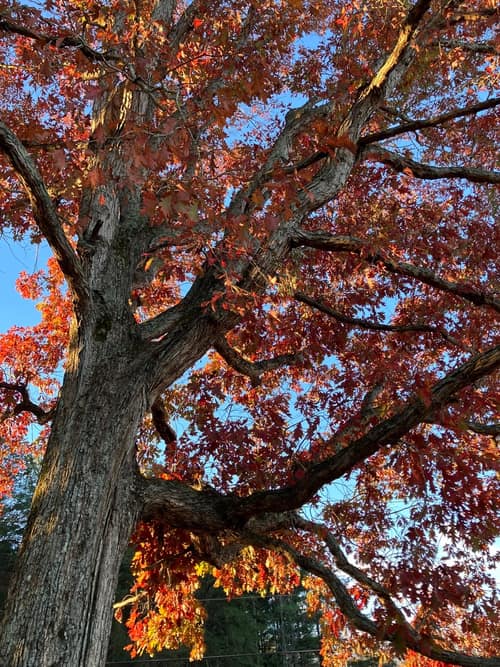
Mycorrhizal Partner (c) Alicia Ballard, some rights reserved (CC BY) · cc-by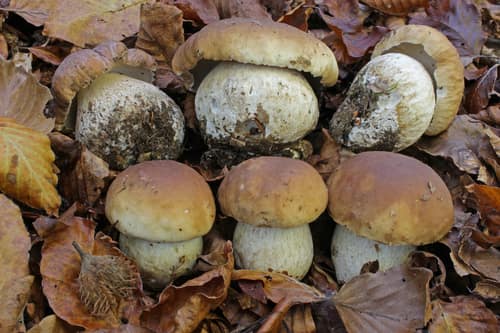
Family Member (c) Davide Puddu, some rights reserved (CC BY), uploaded by Davide Puddu · cc-by
Keep collecting in Fauna
Found in Collections
Species set Pro
Fungi Forager
Two-colored Bolete is found in this collection. Identify it in Fauna to fill this slot and continue your progress.
Unlock to track progress
Help improve the field guideSomething wrong?
Checking your Fauna account…Report a name, category, or profile issue for review.