
Fungus · GBIF taxon 6016049
Curry Bolete
Boletus sensibilisAlso known as Sensitive Bolete
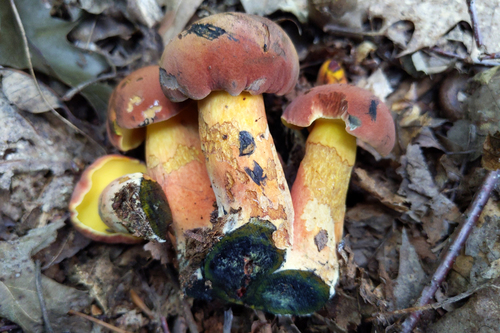
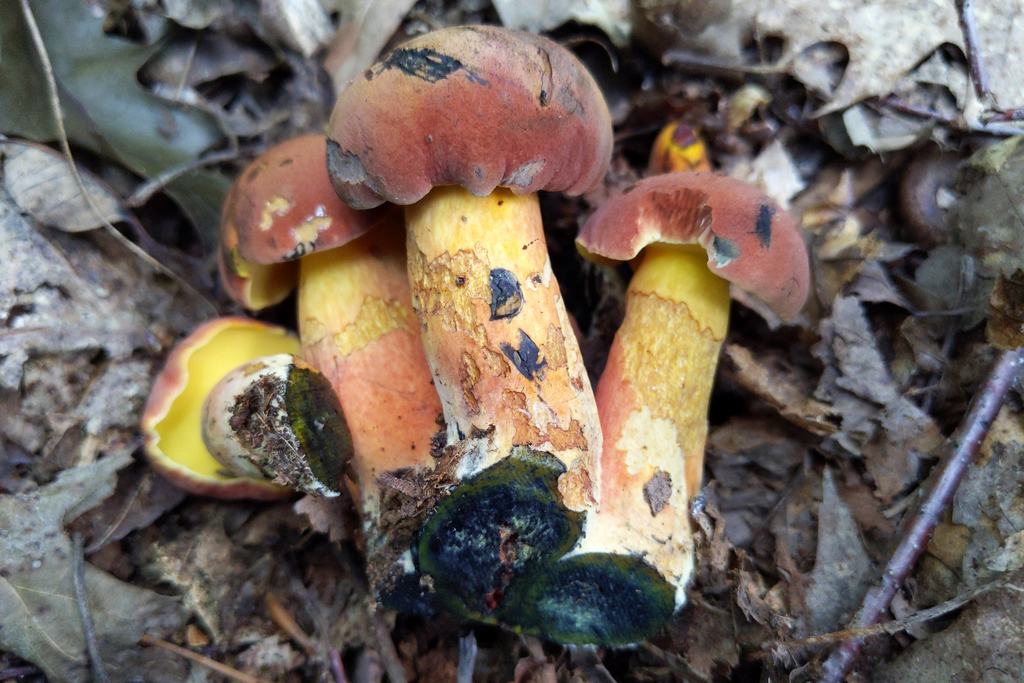
Curry boletes emerge across eastern North American hardwood forests, forming vital mycorrhizal partnerships with mature oak and beech trees. When touched or bruised, the yellow pore surface and red cap flesh react with astonishing speed, turning deep blue in a matter of seconds. As the fruiting body matures and dries, it produces a distinct, sweet scent strongly reminiscent of curry powder or fenugreek.
WoodlandMycorrhizalForest
—observations
—countries
—peak records
Not EvaluatedConservation statusIUCN Red List categoriesLCNTVUENCREWEXNot Evaluated — not placed on the risk ladderRed List categories, explained →
Diet & prey
- Mycorrhizal partner (absorbs carbohydrates from host trees in exchange for water and minerals)
Predators
- Fungus Gnat Larvae
- Eastern Gray Squirrel
- Slugs
ThreatsHabitat fragmentation, severe drought, and forest canopy loss
HabitatsDeciduous and mixed woods, especially near oak and beech
Life spanFruiting bodies last 4–10 days; mycelium persists underground for decades
Size / weightNot available
Classification
- FamilyBoletaceae
- SpeciesBoletus sensibilis
Range data is not available yet.
Interaction riskHigh
- Low
- Moderate
- High
- Very high
- Why interaction risk is high
- Causes severe gastrointestinal poisoning; many mushrooms have toxic look-alikes, so never consume wild fungi.
- Why it is dangerous
- Contains unidentified gastrointestinal toxins that cause severe stomach pain, violent vomiting, diarrhea, and dizziness within hours of ingestion.
- How to recognize a risky encounter
- Look for a brick-red to pinkish cap, yellow pores that turn dark blue instantly upon light touch, and a curry-like scent on drying.
- What to do
- Harmless to touch, but never ingest; thoroughly wash hands after handling to prevent accidental mouth transfer.
Responsible observation
- Bruise test: Gently press a fingertip against the pores to observe the instantaneous blue reaction.
- Scent check: Sniff older or dried specimens to notice the distinctive curry-like aroma.
- Leave in place: Keep wild specimens undisturbed to let spores disperse into surrounding soil.
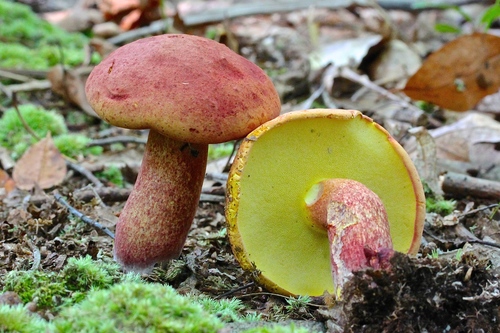
Look-alike (c) Fluff Berger, some rights reserved (CC BY-SA), uploaded by Fluff Berger · cc-by-sa Image unavailable
Look-alike 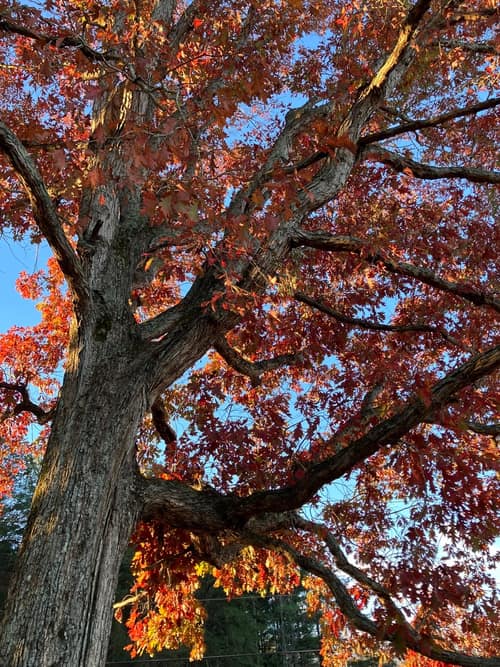
Symbiont (c) Alicia Ballard, some rights reserved (CC BY) · cc-by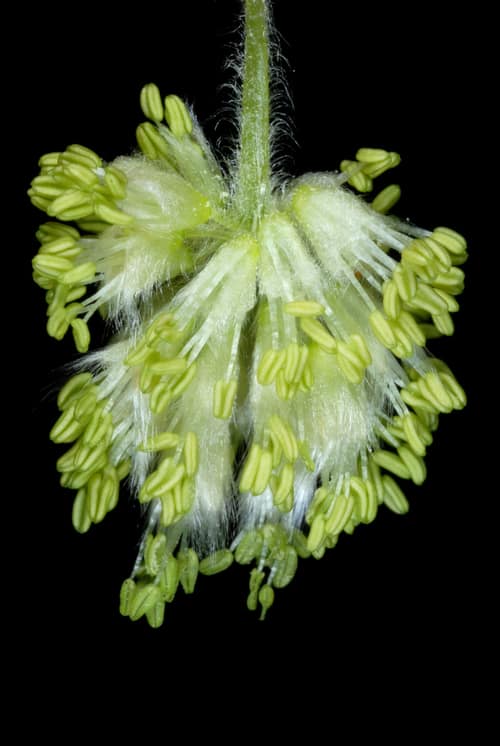
Symbiont (c) Douglas Goldman, some rights reserved (CC BY-SA), uploaded by Douglas Goldman · cc-by-sa
Help improve the field guideSomething wrong?
Checking your Fauna account…Report a name, category, or profile issue for review.