
Plant
Bigtooth Maple
Acer grandidentatumAlso known as Western Sugar Maple, Canyon Maple, Sabine Maple, Southwestern Bigtooth Maple
Bigtooth maples illuminate montane canyons and limestone draws throughout the American West with brilliant crimson and gold foliage each autumn. Growing as modest single-trunked trees or sprawling multi-stemmed thickets, they thrive in sheltered microclimates where canyon walls provide shade and subterranean moisture persists. Their sweet spring sap flows similarly to eastern sugar maples, sustaining native pollinators and woodland wildlife in otherwise arid landscapes.
DeciduousFall FoliageMontane
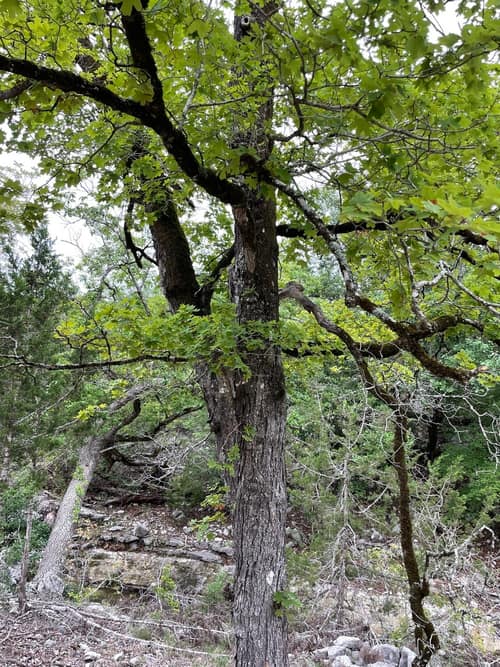
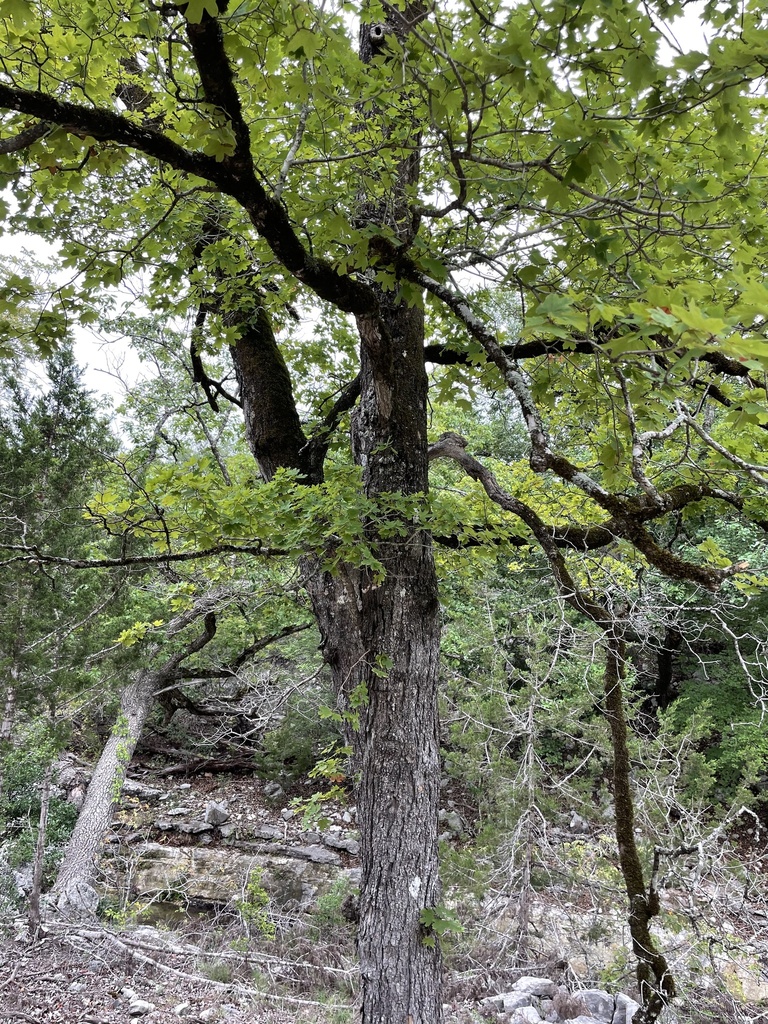
—observations
—countries
—peak records
Least ConcernConservation statusIUCN Red List categoriesLCNTVUENCREWEXLeast ConcernRed List categories, explained →
Diet & preySunlight, Water, Soil Nutrients
Predators
- Mule Deer
- Rocky Mountain Elk
- Porcupine
ThreatsSevere drought, severe wildfire, and heavy browsing by wild ungulates and livestock
HabitatsMoist mountain canyons, ravines, limestone plateaus, and stream banks
Life span100–200 years
Classification
- OrderSapindales
- FamilySapindaceae
- GenusAcer
- SpeciesAcer grandidentatum
Range data is not available yet.
Interaction riskLow
- Low
- Moderate
- High
- Very high
- Why interaction risk is low
- Safe to observe at a normal distance.
Responsible observation
- Autumn Viewing: Visit steep mountain canyons in late September through October to see vibrant red foliage.
- Bark and Leaf Check: Look for three to five blunt, coarsely toothed lobes and smooth grey young bark.
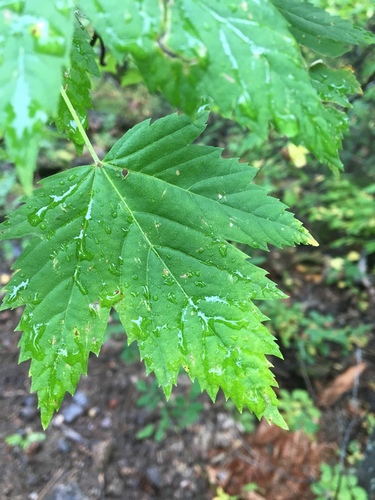
Same Genus (c) Caleb Catto, some rights reserved (CC BY), uploaded by Caleb Catto · cc-by
Frequent Companion (c) Lyrae, some rights reserved (CC BY), uploaded by Lyrae · cc-by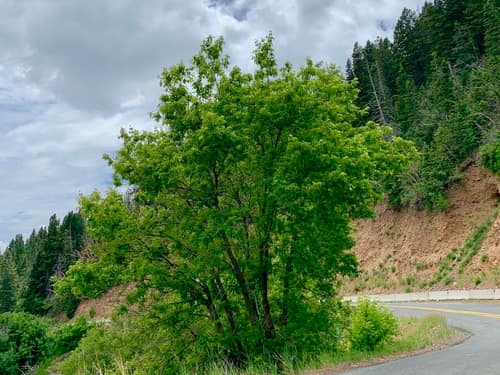
Same Genus CK Kelly / CC BY 4.0 · cc-by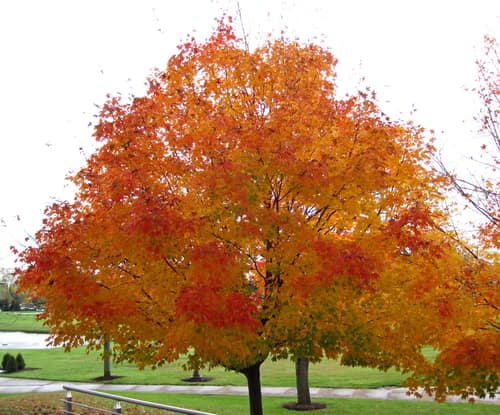
Close Relative (c) James St. John, some rights reserved (CC BY) · cc-by
Help improve the field guideSomething wrong?
Checking your Fauna account…Report a name, category, or profile issue for review.