
Plant
Tumblegrass
Muhlenbergia paniculataAlso known as Texas Tumblegrass
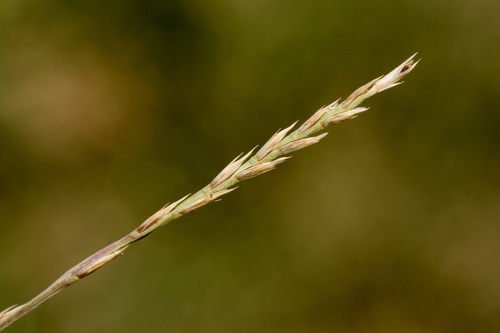
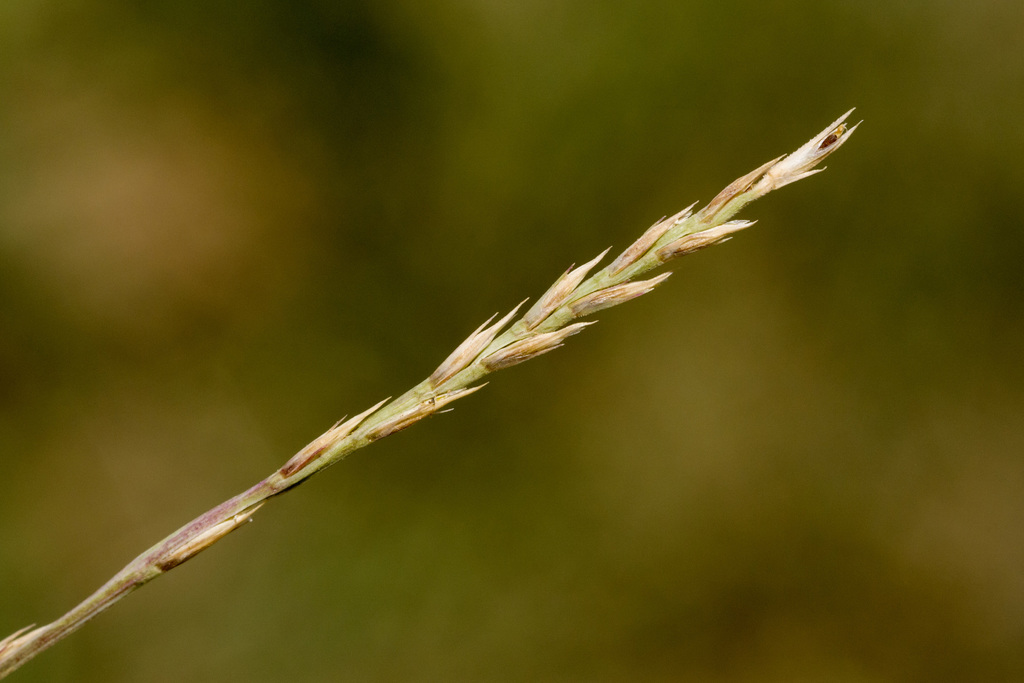
Tumblegrass forms low, wiry tufts across arid North American prairies, adapting exceptionally well to shallow or disturbed soils. In late summer, its flowering stalks produce stiff, widely spaced branches that cure and become brittle. Once mature, the entire inflorescence snaps off at the base to tumble across open ground with the wind, dispersing seeds across long distances.
PrairieGrassWind-Dispersed
—observations
—countries
—peak records
Not EvaluatedConservation statusIUCN Red List categoriesLCNTVUENCREWEXNot Evaluated — not placed on the risk ladderRed List categories, explained →
Diet & preySunlight, Water, Soil Nitrogen
Predators
- American Bison
- Domestic Cattle
- Grasshoppers
ThreatsAgricultural conversion, prolonged overgrazing, and woody encroachment
HabitatsShortgrass prairies, dry plains, pastures, and disturbed roadsides
Life span3–10 years
Classification
- FamilyPoaceae
- SpeciesMuhlenbergia paniculata
Range data is not available yet.
Interaction riskLow
- Low
- Moderate
- High
- Very high
- Why interaction risk is low
- Safe to observe at a normal distance.
Responsible observation
- Field Identification: Examine the stiff, widely spreading flower branches that curl outward from the central stem.
- Seasonal Timing: Watch open plains in late autumn to spot detached seedheads rolling across fields.
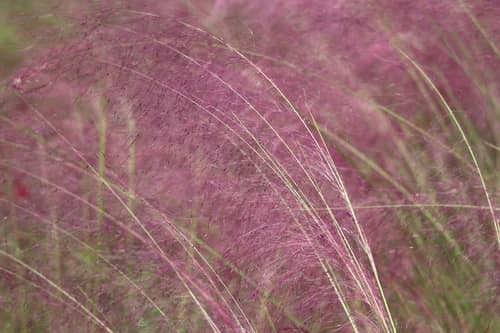
Same Genus (c) Lauren McLaurin, some rights reserved (CC BY), uploaded by Lauren McLaurin · cc-by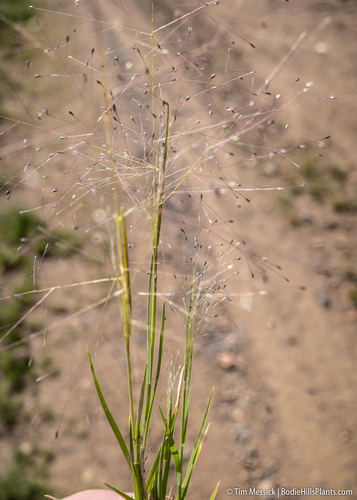
Same Genus (c) Tim Messick, some rights reserved (CC BY), uploaded by Tim Messick · cc-by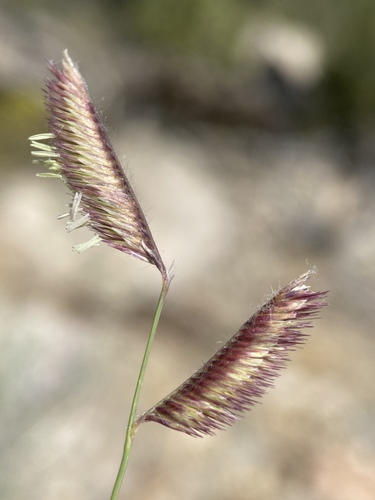
Frequent Companion (c) Matt Berger, some rights reserved (CC BY), uploaded by Matt Berger · cc-by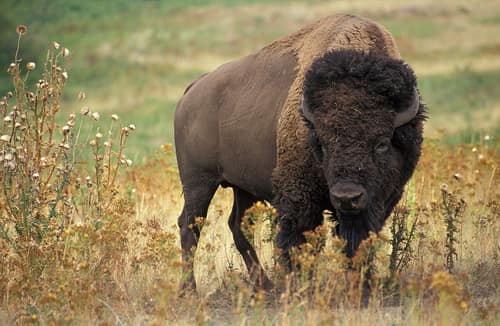
Grazer Jack Dykinga / Public domain · cc0
Help improve the field guideSomething wrong?
Checking your Fauna account…Report a name, category, or profile issue for review.