
Plant · GBIF taxon 7445284
Canary Island Palm
Phoenix canariensisAlso known as Canary Island Date Palm, Pineapple Palm
Canary Island palms form grand, thick trunks topped with massive crowns of up to 200 arching feather-like fronds. These slow-growing trees produce bright orange egg-shaped fruit clusters that feed local birds, while sharp needle-like spines guard the base of each frond stem. Extensively planted in Mediterranean and subtropical climates worldwide, they serve as prominent architectural landmarks in coastal landscapes.
EvergreenOrnamentalArid-Adapted
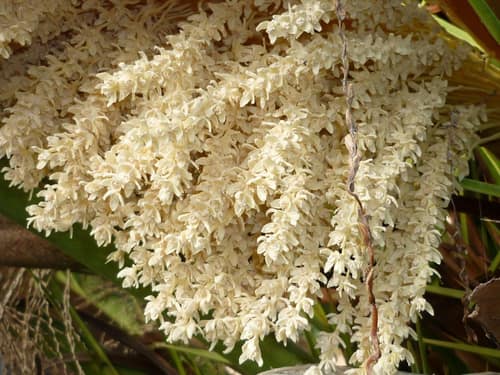
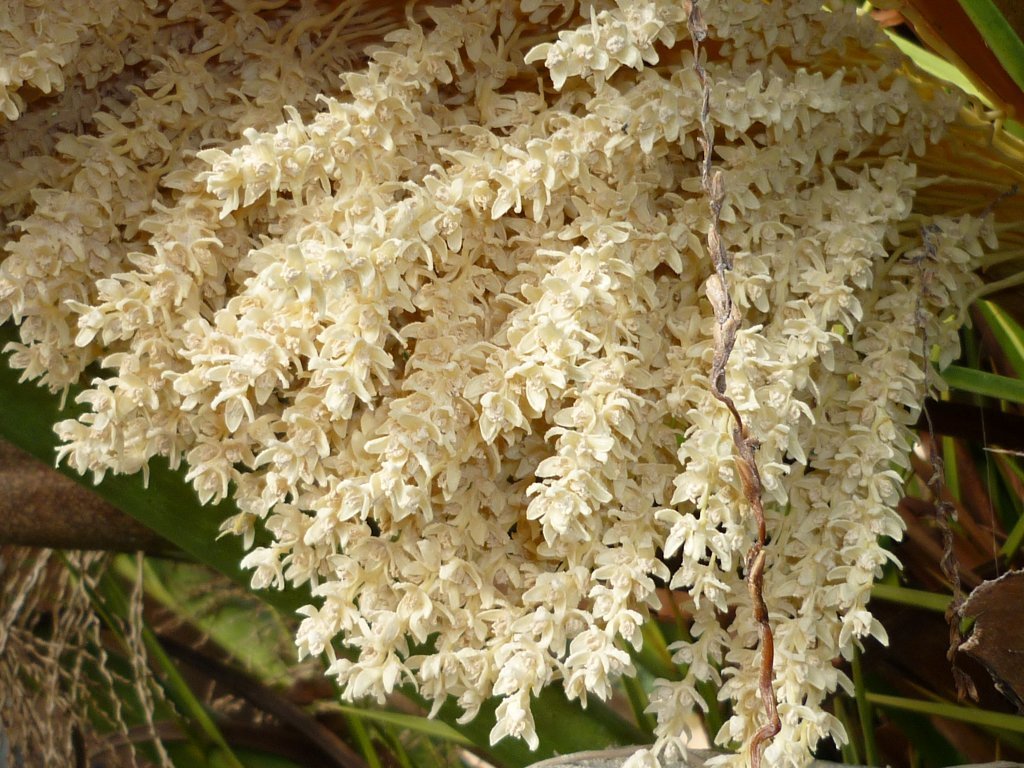
—observations
—countries
—peak records
Least ConcernConservation statusIUCN Red List categoriesLCNTVUENCREWEXLeast ConcernRed List categories, explained →
Diet & prey
- Autotrophic (Photosynthesis)
ThreatsRed palm weevil infestation, Fusarium wilt, hybridization with cultivated date palms
HabitatsSubtropical forests, Mediterranean coastal zones, urban landscapes, rocky ravines
Life span100–150 years
Classification
- OrderArecales
- FamilyArecaceae
- GenusPhoenix
- SpeciesPhoenix canariensis
Range data is not available yet.
Interaction riskLow
- Low
- Moderate
- High
- Very high
- Why interaction risk is low
- Wild palm fruits have toxic look-alikes; never eat wild palm dates based on app identification alone.
Responsible observation
- Avoid stem spines: Watch for long razor-sharp spines lining lower frond stems during trimming.
- Check frond bases: Inspect trunk tops regularly for entry holes made by invasive palm weevils.
- Provide canopy room: Ensure adequate clearance from overhead power lines and buildings when planting.
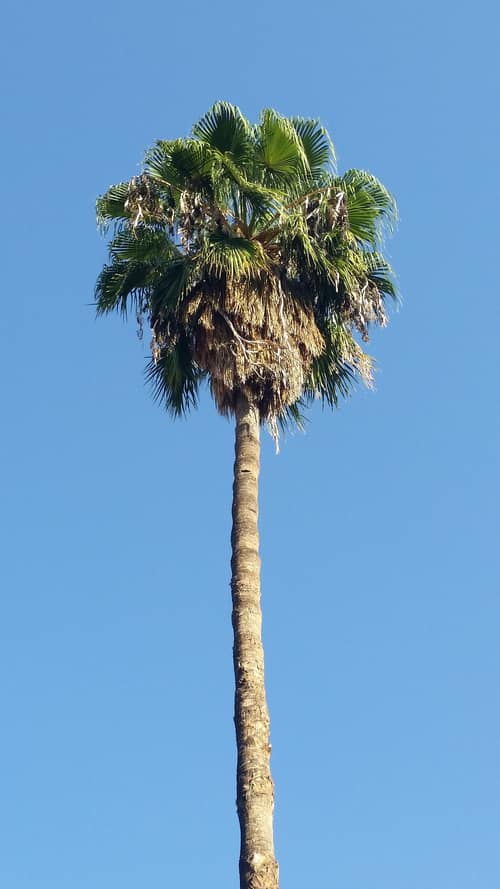
Landscape Competitor Emőke Dénes / CC BY-SA 4.0 · cc-by-sa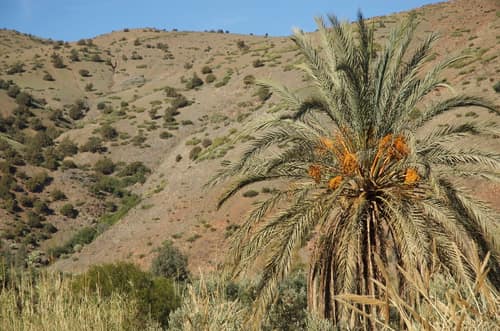
Close Relative (c) Ashley Basil, some rights reserved (CC BY) · cc-by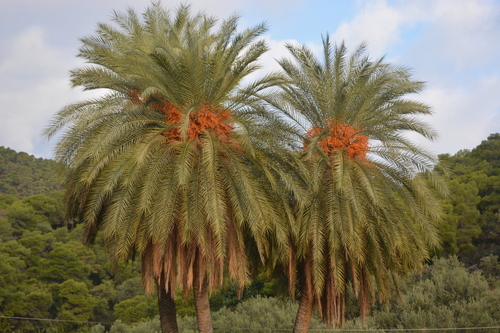
Close Relative (c) Ashley Basil, some rights reserved (CC BY) · cc-by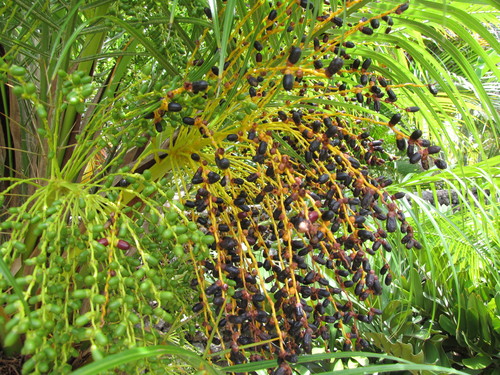
Close Relative (c) Forest and Kim Starr, some rights reserved (CC BY) · cc-by
Help improve the field guideSomething wrong?
Checking your Fauna account…Report a name, category, or profile issue for review.