
Mammal · GBIF taxon 7411129
Lesula
Cercopithecus lomamiensisAlso known as Lomami Guenon
Lesulas spend much of their time foraging quietly on the rainforest floor and in the lower canopy of the Lomami Basin, frequently freezing in place when disturbed. At dawn, mature males broadcast deep, resonant booming calls that carry through the dense vegetation to delineate territories without physical conflict. Their striking golden-brown facial mane, expressive amber eyes, and brilliant blue rump markings make them among central Africa's most distinctive yet secretive primates.
DiurnalRainforestFrugivore
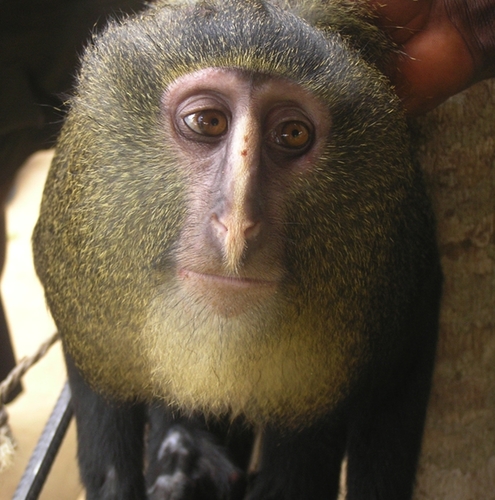
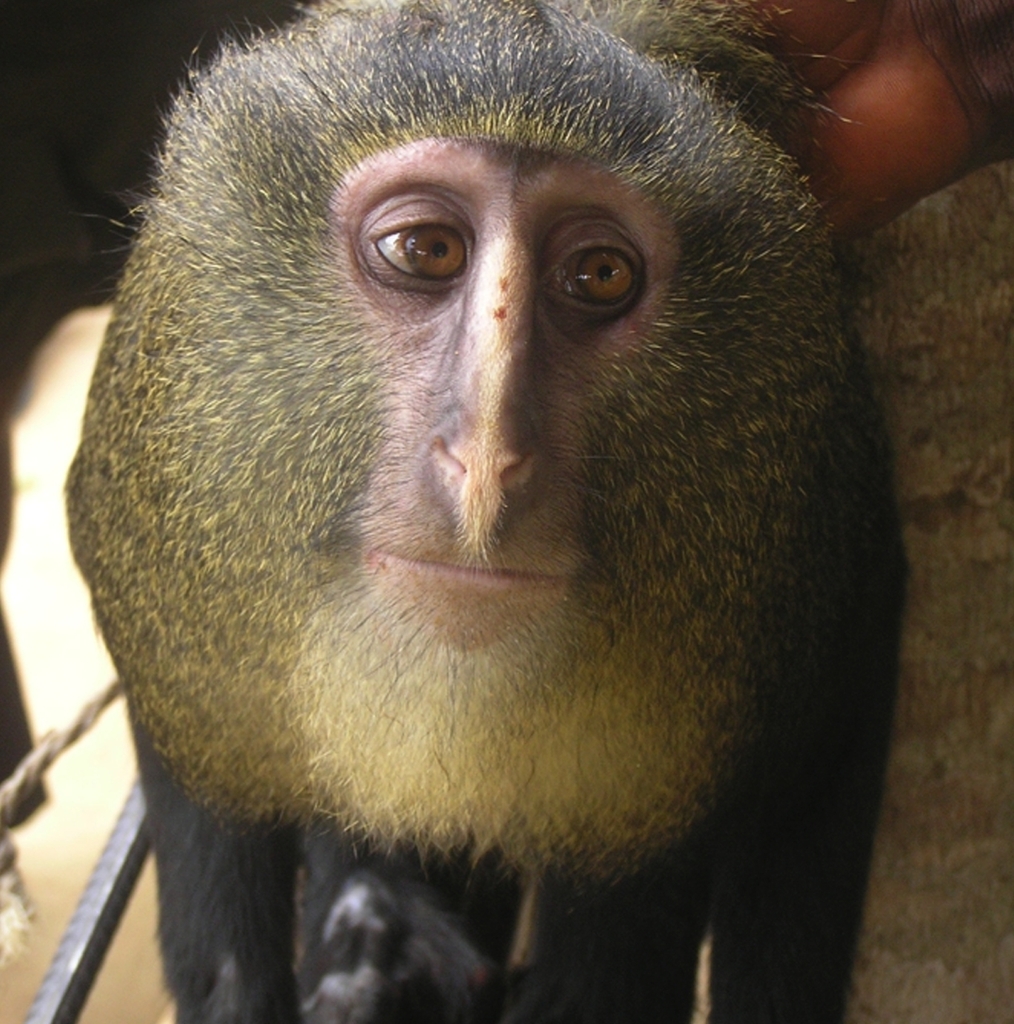
—observations
—countries
—peak records
VulnerableConservation statusIUCN Red List categoriesLCNTVUENCREWEXVulnerableRed List categories, explained →
Diet & prey
- Forest fruits
- Marantaceae leaf stems
- Flower buds
Predators
- Leopard
- Crowned Eagle
- Human
ThreatsCommercial bushmeat hunting and localized habitat degradation from shifting agriculture
HabitatsDense lowland tropical rainforest and riverine gallery forest
Life span20–25 years
Size / weightNot available
Classification
- FamilyCercopithecidae
- SpeciesCercopithecus lomamiensis
Range data is not available yet.
Interaction riskLow
- Low
- Moderate
- High
- Very high
- Why interaction risk is low
- Can deliver a painful defensive bite if cornered; observe quietly from a distance.
- Why it is dangerous
- Sharp canine teeth and strong jaws can inflict deep puncture wounds and transmit pathogens if cornered or handled.
- How to recognize a risky encounter
- Recognizable by its pale amber eyes, yellowish-buff chest fur, and brilliant blue perineal patch on adult males.
- What to do
- Maintain a generous buffer and retreat slowly if an individual displays tense posture or threat yawns.
- What to notice
- Look for a calm, slender monkey with a golden facial mane and very dark limbs on the lower canopy or ground.
- Support conservation
- Do not attempt to feed, track off-trail, or disturb feeding groups, and support local anti-poaching patrols.
Responsible observation
- Dawn Listening: Listen for low-frequency booming vocalizations from adult males around sunrise.
- Ground Scanning: Watch the understory and forest floor where small family groups quietly forage.
- Guided Access: Visit only within established national parks accompanied by certified local trackers.
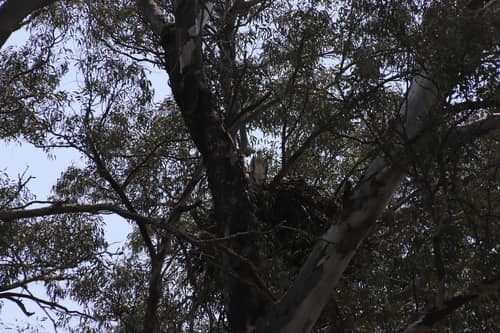
Predator (c) Suvarna Parbhoo Mohan, some rights reserved (CC BY-SA) · cc-by-sa
Neighbor natataek / CC BY-SA 3.0 · cc-by-sa Image unavailable
Neighbor 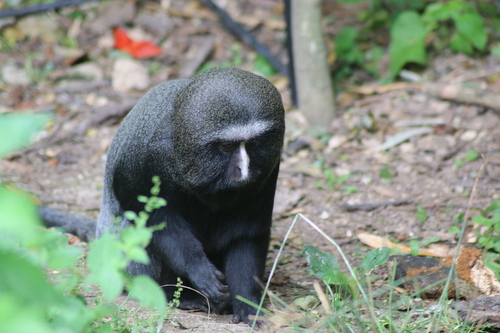
Close Relative (c) Melvin TOULLEC, some rights reserved (CC BY-SA) · cc-by-sa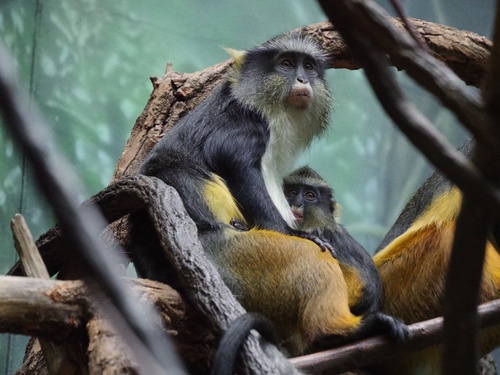
Close Relative (c) pelican, some rights reserved (CC BY-SA) · cc-by-sa
Help improve the field guideSomething wrong?
Checking your Fauna account…Report a name, category, or profile issue for review.