
Mammal · GBIF taxon 5219584
Owl-faced Guenon
Cercopithecus hamlyniAlso known as Hamlyn's Monkey, Owl-faced Monkey
Owl-faced guenons are elusive primates defined by a striking vertical cream-colored nasal stripe that bisects an otherwise dark, owl-like facial disk. They spend significant time foraging on the forest floor, relying heavily on tender bamboo shoots, herbaceous stems, and fallen fruits beneath dense canopies. Uniquely adapted among guenons, their activity extends deep into the twilight and nocturnal hours, allowing small, discreet troops to avoid diurnal raptors and evade detection.
NocturnalRareForest Dweller
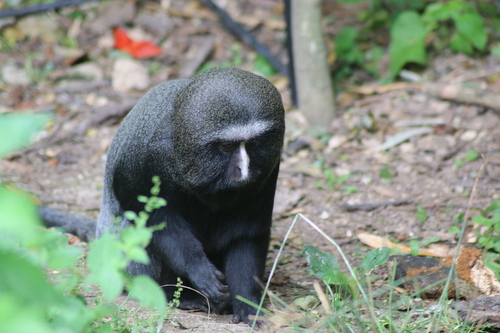
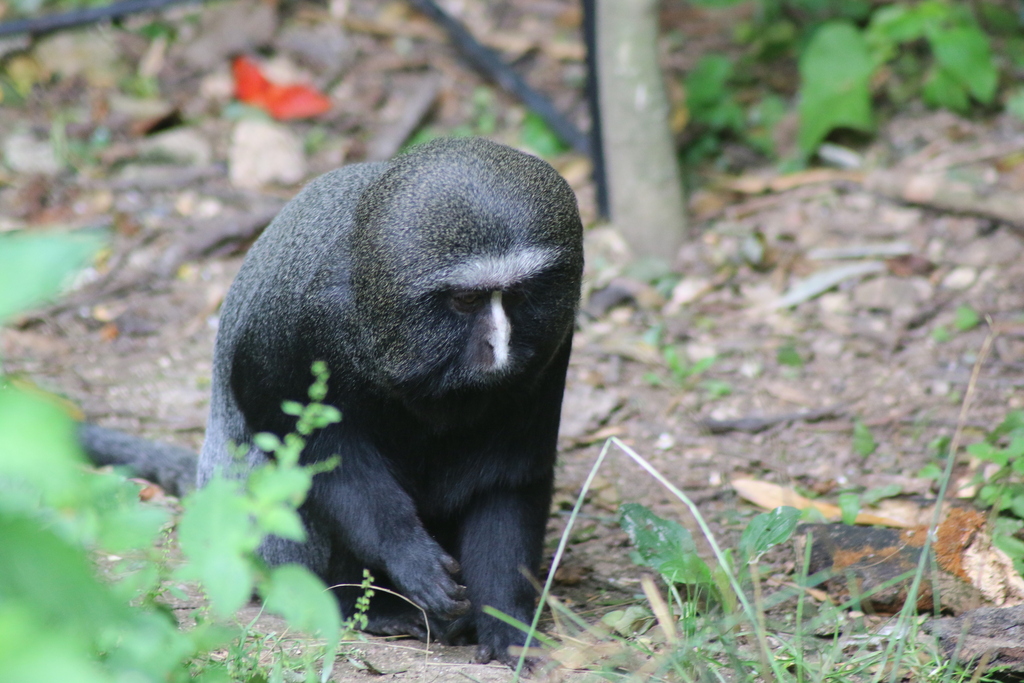
Licensed reference(c) Melvin TOULLEC, some rights reserved (CC BY-SA) · cc-by-sa
—observations
—countries
—peak records
VulnerableConservation statusIUCN Red List categoriesLCNTVUENCREWEXVulnerableRed List categories, explained →
Diet & prey
- Bamboo shoots
- Wild fig fruits
- Forest invertebrates
Predators
- Leopard
- Crowned Eagle
ThreatsHabitat fragmentation from agricultural expansion, artisanal mining, and bushmeat poaching
HabitatsMontane bamboo belts, primary lowland rainforests, and dense riverine corridors
Life span20–25 years
Size / weightNot available
Classification
- FamilyCercopithecidae
- SpeciesCercopithecus hamlyni
Range data is not available yet.
Interaction riskLow
- Low
- Moderate
- High
- Very high
- Why interaction risk is low
- May bite defensively if cornered; observe quietly from a respectful distance.
- Why it is dangerous
- Possesses long canine teeth and strong jaws that can inflict puncture wounds or lacerations when cornered.
- How to recognize a risky encounter
- Look for a flat, rounded dark face split down the center by a luminous, vertical cream-colored stripe.
- What to do
- Never corner, feed, or attempt to touch a monkey; slowly back away if one displays teeth or barks defensively.
- What to notice
- Recognizable by its dense olive-grey coat, dark limbs, and nocturnal behavior in montane bamboo zones.
- Support conservation
- Keep noise to a minimum and avoid entering sensitive Albertine Rift reserves without authorized guides.
Responsible observation
- Vocal Tracking: Listen for low, resonant booming calls used by adult males to maintain group spacing.
- Twilight Observation: Scan dense bamboo stands at dawn and dusk when troops are most active.
- Respectful Distance: Maintain at least ten meters to prevent disturbing these exceptionally shy primates.
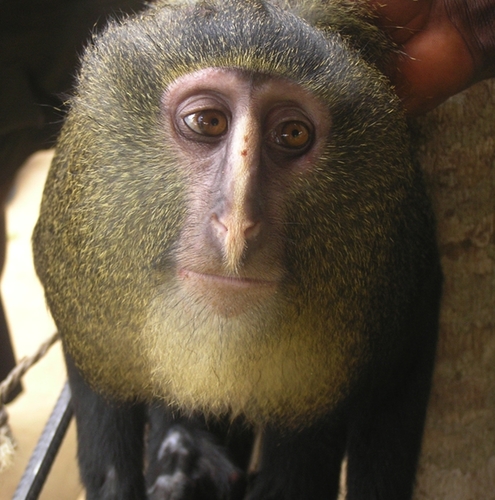
Same Genus (c) Hart JA, Detwiler KM, Gilbert CC, Burrell AS, Fuller JL, et al. (2012), some rights reserved (CC BY) · cc-by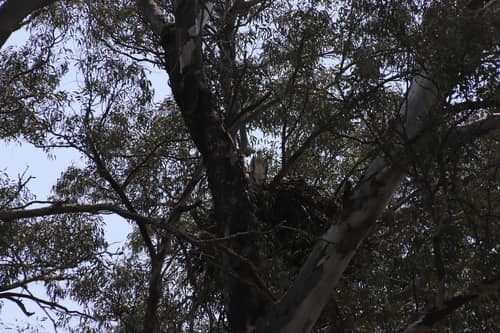
Predator (c) Suvarna Parbhoo Mohan, some rights reserved (CC BY-SA) · cc-by-sa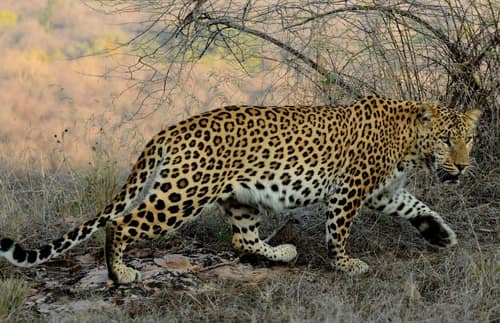
Predator (c) Raja bandi, some rights reserved (CC BY), uploaded by Raja bandi · cc-by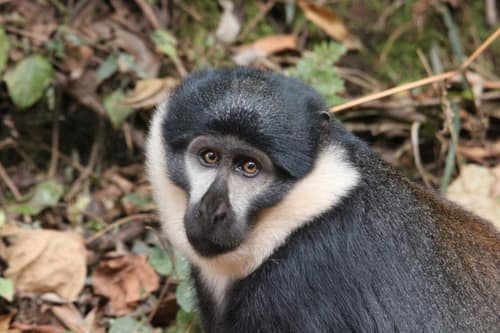
Close Relative no rights reserved · cc0
Help improve the field guideSomething wrong?
Checking your Fauna account…Report a name, category, or profile issue for review.