
Plant · GBIF taxon 7403310
Yellow Fever Tree
Vachellia xanthophloeaAlso known as Fever Tree, Yellow Bark Acacia, Sulfur Tree
Yellow fever trees stand out along African riverbanks and swampy floodplains with bright greenish-yellow bark that flakes in powdery layers. Early European settlers mistakenly associated the tree with malaria because it thrives in wet, mosquito-prone lowlands where fevers were common. The delicate feathery foliage, paired with paired straight white thorns, provides important nesting shelter for birds and valuable forage for local wildlife.
TreeYellow BarkFlowering
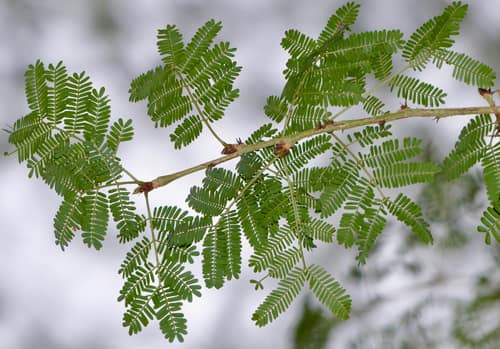
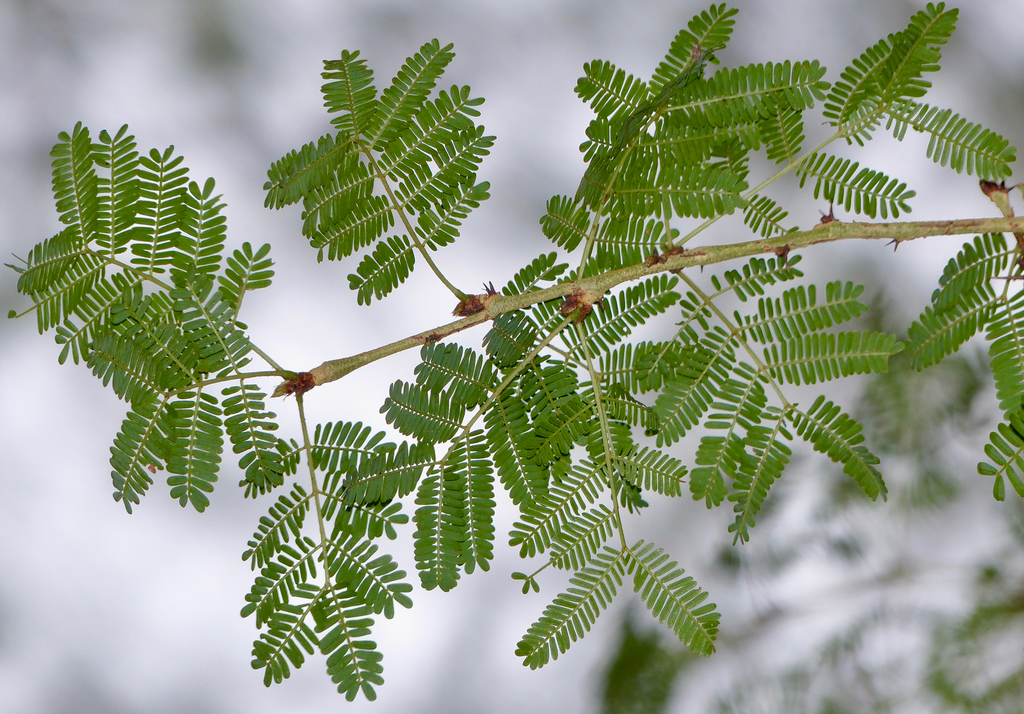
—observations
—countries
—peak records
Least ConcernConservation statusIUCN Red List categoriesLCNTVUENCREWEXLeast ConcernRed List categories, explained →
Diet & prey
- Autotrophic (Photosynthetic)
Predators
- African Elephant
- Giraffe
- Vervet Monkey
ThreatsHabitat conversion, over-browsing, elephant damage
HabitatsSwamps, riverbanks, seasonally flooded woodlands
Life span50–100 years
Size / weightNot available
Classification
- FamilyFabaceae
- SpeciesVachellia xanthophloea
Range data is not available yet.
Interaction riskLow
- Low
- Moderate
- High
- Very high
- Why interaction risk is low
- Safe to observe; beware of sharp, paired white spines when brushing past branches.
Responsible observation
- Visual Spotting: Look for smooth, greenish-yellow flaking bark in moist, low-lying river valleys.
- Approach Safely: Watch out for rigid, white thorns that reach up to 7 centimeters in length.
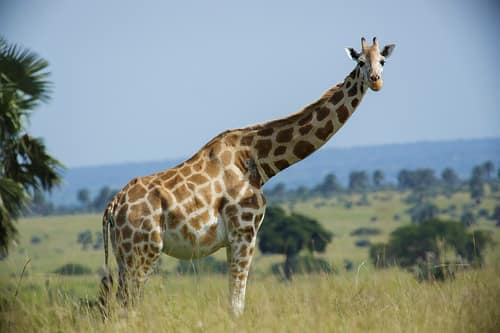
Browser Thomas Fuhrmann / CC BY-SA 4.0 · cc-by-sa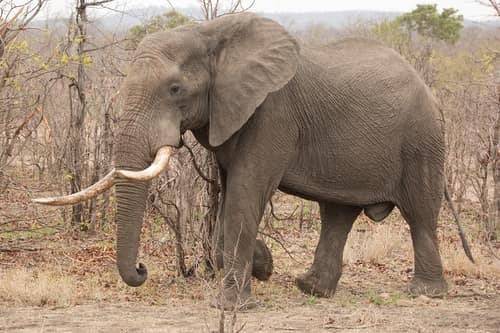
Browser (c) dhfischer, some rights reserved (CC BY), uploaded by dhfischer · cc-by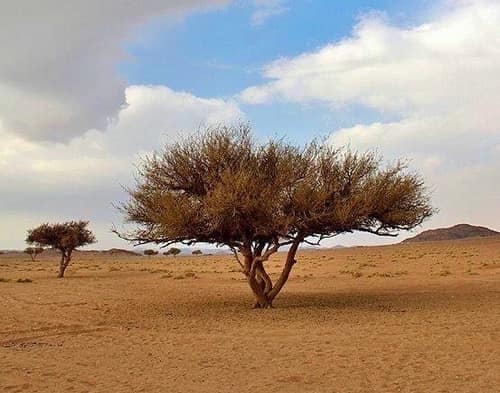
Close Relative (c) Rabah Al-Shammary, some rights reserved (CC BY), uploaded by Rabah Al-Shammary · cc-by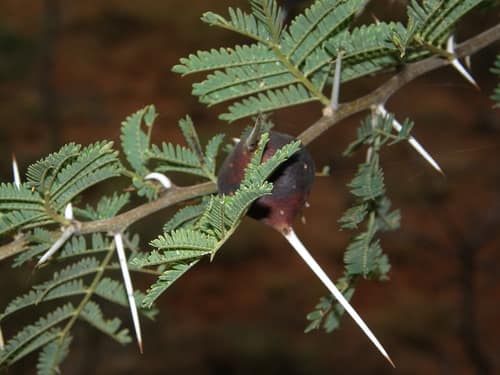
Close Relative (c) Rafael Medina, some rights reserved (CC BY) · cc-by
Help improve the field guideSomething wrong?
Checking your Fauna account…Report a name, category, or profile issue for review.