
Fungus · GBIF taxon 7364443
Summer Truffle
Tuber aestivumAlso known as Burgundy Truffle, Black Summer Truffle, Saint John's Truffle
Summer truffles form underground fruiting bodies with a dark, heavily textured outer crust covered in prominent pyramid-shaped warts. These subterranean fungi establish vital mycorrhizal partnerships with broadleaf trees, trading absorbed soil minerals for host sugars. As the fruiting body matures beneath the soil surface, it emits a powerful aroma that entices burrowing mammals to dig it up and disperse its spores.
SubterraneanMycorrhizalFungus
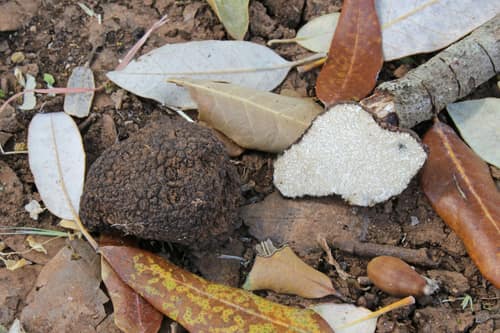
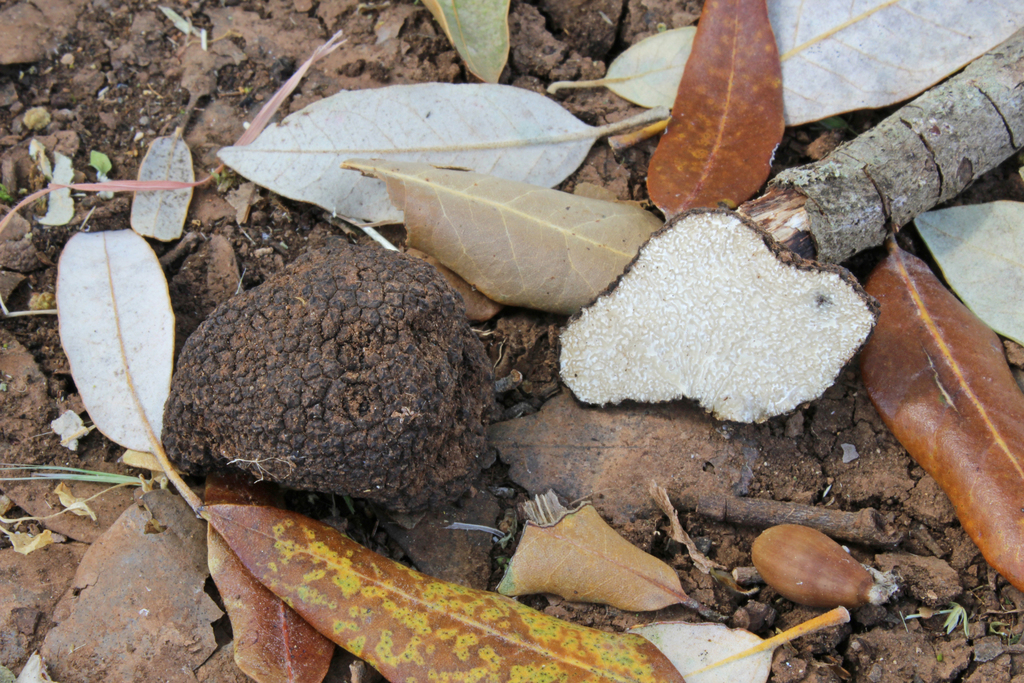 1 / 7
1 / 7—observations
—countries
—peak records
Not EvaluatedConservation statusIUCN Red List categoriesLCNTVUENCREWEXNot Evaluated — not placed on the risk ladderRed List categories, explained →
Diet & prey
- Mycorrhizal (symbiotic nutrient exchange with tree roots)
Predators
- Wild Boar
- Red Squirrel
- Truffle Fly
ThreatsSoil compaction, habitat loss, climate change and severe drought
HabitatsBroadleaf forests, calcareous soils, oak and beech woodlands
Life spanPerennial underground network; individual truffles persist several weeks
Size / weightNot available
Classification
- FamilyTuberaceae
- SpeciesTuber aestivum
Range data is not available yet.
Interaction riskLow
- Low
- Moderate
- High
- Very high
- Why interaction risk is low
- Many wild fungi have toxic look-alikes; never consume wild mushrooms or truffles based on app identification alone.
Responsible observation
- Look for Brûlés: Check around tree bases for circular patches of cleared vegetation caused by fungal root interactions.
- Identify Host Trees: Search near mature oak, beech, and hazel trees growing in chalky or limestone-rich soils.
- Observe Insect Behavior: Watch for small brown flies hovering near ground level over buried fruiting bodies.
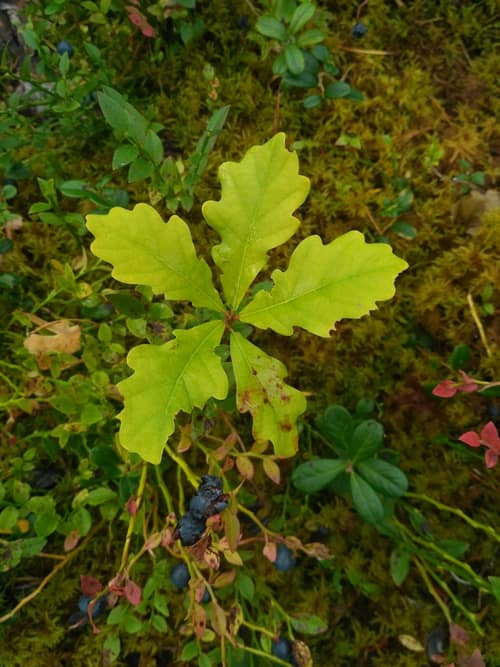
Host Plant (c) Natalya Ivanova, some rights reserved (CC BY) · cc-by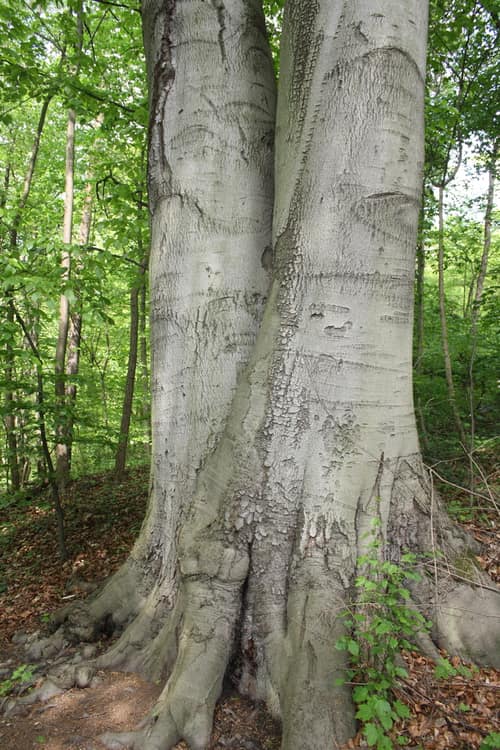
Host Plant (c) Daniel Linzbauer, some rights reserved (CC BY), uploaded by Daniel Linzbauer · cc-by Image unavailable
Symbiont 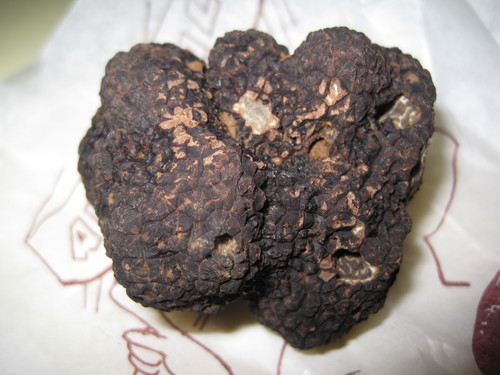
Close Relative (c) Sean Gillies, some rights reserved (CC BY-SA) · cc-by-sa
Help improve the field guideSomething wrong?
Checking your Fauna account…Report a name, category, or profile issue for review.